
Living with joint pain can feel overwhelming. Your daily activities become challenging. Simple tasks like opening jars or climbing stairs turn into painful ordeals. Understanding what causes this discomfort represents the first step toward managing it effectively.
What Arthritis Really Means
Arthritis describes inflammation affecting one or more joints in your body. The term comes from Greek words meaning joint inflammation. However, this condition encompasses much more than simple inflammation. It affects the tissues surrounding your joints, causing pain, stiffness, and reduced mobility.
. Each type presents unique challenges. Source Some develop gradually over years, while others appear suddenly. The severity varies dramatically from person to person.
Understanding Joint Cartilage and Its Function
Cartilage serves as your body’s natural shock absorber within every joint. This specialized tissue features a smooth, slippery surface that allows seamless movement. Furthermore, it contains no blood vessels or nerves. The cartilage receives nutrients through a process called diffusion from surrounding joint fluid. Additionally, this tissue can withstand significant pressure during daily activities. For example, your knee cartilage supports forces up to three times your body weight when walking. Moreover, healthy cartilage maintains a thickness of approximately 2-4 millimeters in major joints.
The structure of cartilage includes several distinct layers working together. Chondrocytes, specialized cells, produce the cartilage matrix continuously. Meanwhile, collagen fibers provide structural strength and flexibility. Proteoglycans trap water molecules, creating the tissue’s cushioning properties. Consequently, this combination allows joints to move smoothly for decades under normal conditions.
The Cartilage Breakdown Process
When arthritis begins, the cartilage degradation follows a progressive pattern. Initially, the smooth surface develops microscopic cracks and fissures. These tiny imperfections gradually expand over months or years. Additionally, the cartilage loses its water content and becomes less resilient. Enzymes within the joint fluid start breaking down the cartilage matrix faster than cells can repair it. As a result, the protective layer becomes thinner and more fragile.
The deterioration accelerates as inflammation enters the joint space. Therefore, the body’s immune response inadvertently damages healthy tissue. Furthermore, small fragments of cartilage break off into the joint fluid. These floating pieces trigger additional inflammation and discomfort. Moreover, the remaining cartilage develops rough, irregular surfaces instead of smooth ones.
Bone-on-Bone Contact and Its Effects
Once cartilage wears away completely, bones lose their protective barrier. The exposed bone surfaces contact each other during movement. However, bone tissue lacks the smooth, lubricated properties of cartilage. Consequently, this direct contact creates intense friction with every motion. Subchondral bone, the layer beneath cartilage, becomes damaged and inflamed. Additionally, the bone tissue attempts to repair itself through abnormal growth.
This friction generates several problematic changes within the joint. For example, the bone develops small projections called osteophytes or bone spurs. Meanwhile, the joint space narrows significantly on X-ray images. Furthermore, tiny fractures may appear in the bone surface. The body responds by increasing blood flow to the affected area. As a result, swelling and warmth develop around the joint.
Pain Generation and Movement Restriction
The bone-on-bone grinding produces multiple sources of discomfort. Nociceptors, pain-sensing nerve endings, become highly activated in surrounding tissues. Additionally, the inflamed joint lining releases pain-inducing chemicals. These substances include prostaglandins, cytokines, and substance P. Moreover, muscle tension around the joint increases to protect the damaged area. Therefore, this protective spasm creates additional soreness and stiffness.
Movement becomes increasingly difficult as structural changes progress. The joint loses its normal alignment and stability. Furthermore, the surrounding ligaments and tendons stretch abnormally. Range of motion decreases by 30-50% in severely affected joints. Consequently, simple tasks like climbing stairs or opening jars become challenging. Additionally, the pain often worsens with activity and improves with rest initially. However, advanced arthritis may cause discomfort even during sleep or inactivity.
The Most Common Forms You Should Know
Osteoarthritis: The Wear-and-Tear Condition
Osteoarthritis affects more people than any other arthritic condition. This degenerative disease develops when joint cartilage gradually wears away. Years of use take their toll on your joints. Weight-bearing joints like knees, hips, and spine experience the most damage.
Symptoms typically worsen slowly over time. Morning stiffness usually improves with movement. Pain intensifies after activity or toward day’s end. You might hear grinding or clicking sounds when moving affected joints.
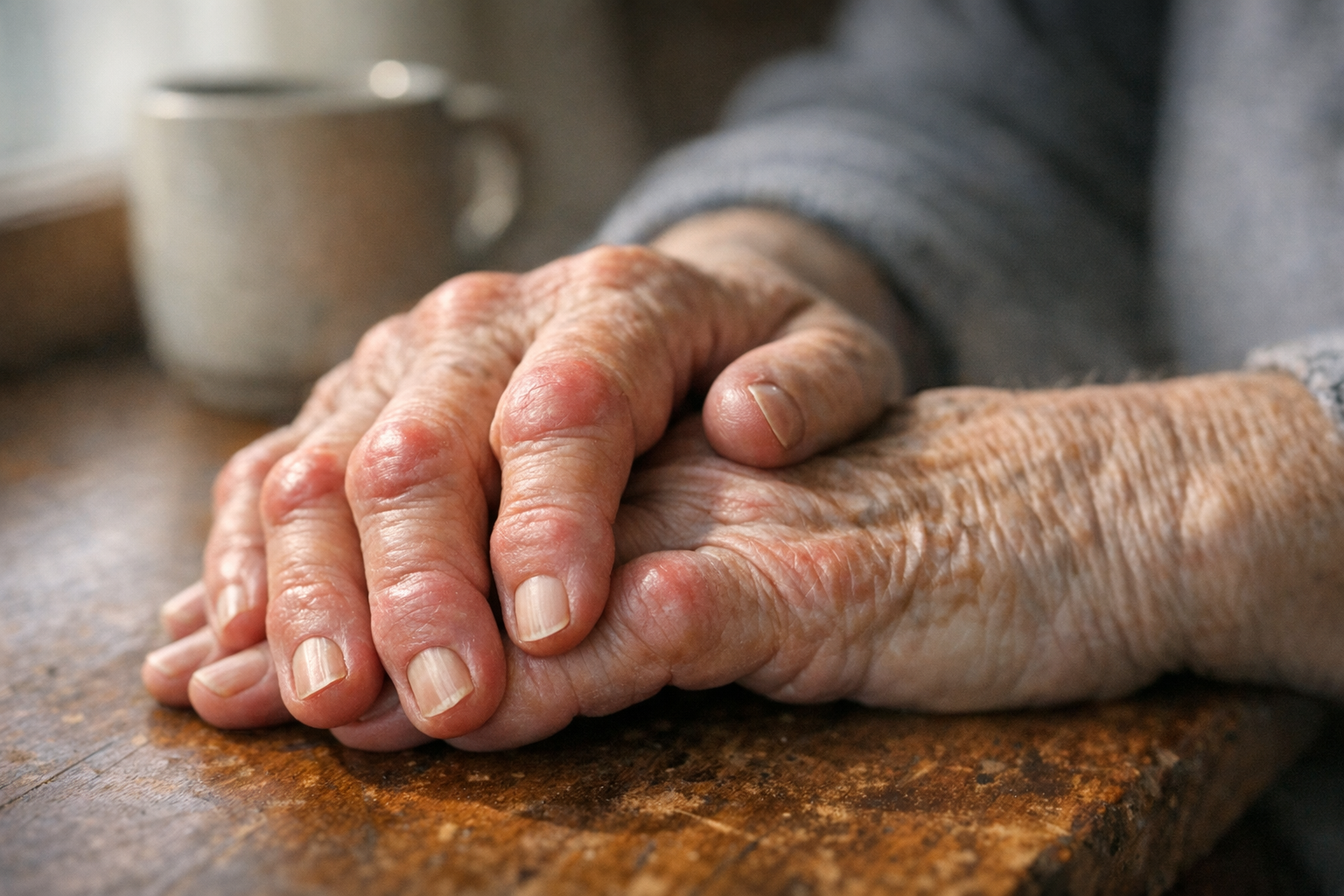
Risk factors include age, obesity, previous injuries, and genetics. Women develop osteoarthritis more frequently than men. Additionally, repetitive stress from certain occupations increases your vulnerability.
Rheumatoid Arthritis: When Your Immune System Attacks
Rheumatoid arthritis operates differently from osteoarthritis. Your immune system mistakenly attacks healthy joint tissue. This autoimmune response causes chronic inflammation throughout your body.
Early Warning Signs Across the Body
Rheumatoid arthritis rarely targets just one area of the body. Instead, it typically attacks several joints at the same time. This symmetrical pattern distinguishes it from other forms of arthritis. For example, both wrists may swell simultaneously. Similarly, corresponding fingers on each hand often develop symptoms together. This mirroring effect helps doctors identify the condition early.
Where Symptoms Begin
The disease usually starts in the smallest joints first. Finger joints closest to the hands frequently show initial inflammation. Additionally, the base of the toes often becomes tender and swollen. Wrists and ankles commonly follow soon after. These smaller joints contain delicate structures that inflammation damages quickly. Moreover, the intricate network of tendons in these areas amplifies discomfort. Patients often notice difficulty with simple tasks like buttoning shirts or turning doorknobs.
Morning Stiffness That Won’t Quit
Unlike typical morning achiness, rheumatoid arthritis creates prolonged stiffness. This immobility typically persists for 60 minutes or more. In contrast, osteoarthritis stiffness usually resolves within 30 minutes. The extended duration occurs because inflammatory fluids accumulate overnight. Consequently, joints feel frozen or locked upon waking. Movement gradually helps disperse these fluids. However, the process takes considerable time and effort.
Beyond Joint Pain
The condition affects the entire body, not just joints. Persistent fatigue overwhelms many patients, even after adequate sleep. Furthermore, low-grade fevers may come and go without obvious infection. Appetite loss leads to unintended weight reduction. These systemic symptoms indicate widespread inflammation throughout the body. Therefore, patients often feel generally unwell beyond their joint complaints. Muscle weakness and general malaise become daily companions.
Consequently, early diagnosis becomes crucial for preventing permanent damage. Treatment focuses on controlling inflammation and slowing disease progression. Without proper management, rheumatoid arthritis can damage organs beyond your joints.
Psoriatic Arthritis: The Skin-Joint Connection
Psoriatic arthritis develops in people with psoriasis, a skin condition. Red, scaly patches appear on your skin before joint symptoms emerge. However, some people experience joint pain first.
This condition affects joints asymmetrically, meaning different joints on each side. Fingers and toes may swell like sausages. Lower back pain and nail changes commonly occur. Furthermore, eye inflammation develops in some cases.
Gout: The Crystal-Forming Culprit
Gout results from uric acid crystals accumulating in joints. These sharp crystals trigger sudden, severe pain attacks. The big toe frequently becomes the first target. Affected joints turn red, hot, and extremely tender.
Attacks often strike at night without warning. Pain peaks within 24 hours and gradually subsides. Nevertheless, repeated attacks can cause permanent joint damage. Diet, alcohol consumption, and certain medications influence gout development.
Recognizing Warning Signs Early
Early detection dramatically improves treatment outcomes. Several warning signs deserve your immediate attention. Persistent joint pain lasting more than a few weeks requires evaluation.
Swelling around joints indicates active inflammation. Stiffness, especially after rest, suggests arthritic changes. Reduced range of motion limits your daily activities. Moreover, warmth and redness signal inflammatory processes.
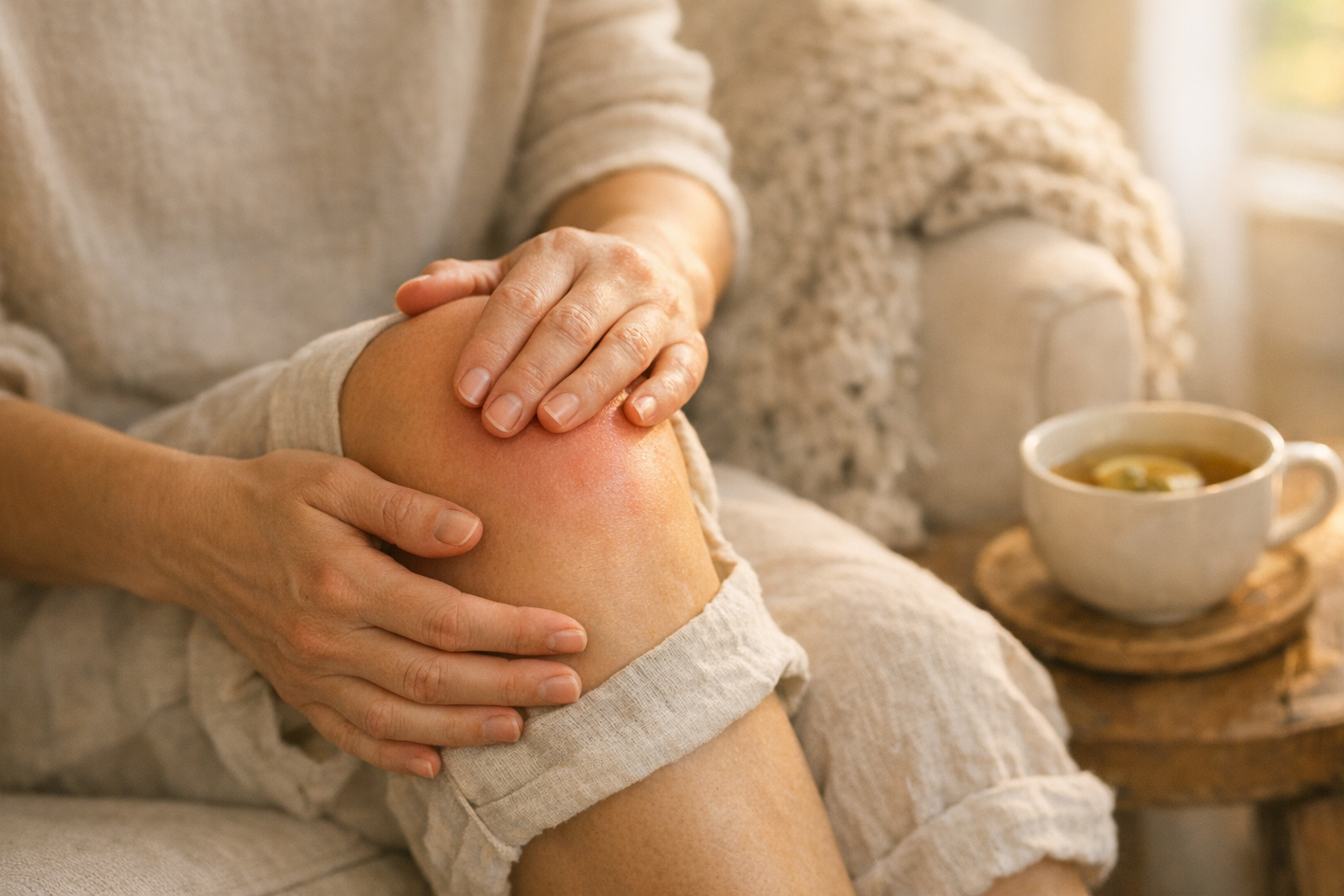
Don’t ignore subtle symptoms. Many people dismiss early signs as normal aging. However, prompt medical consultation prevents unnecessary suffering. Your doctor can perform tests confirming or ruling out arthritis.
Understanding Inflammation’s Role
Inflammation serves as your body’s natural defense mechanism. When injury or infection occurs, inflammation helps healing. Blood flow increases to affected areas. White blood cells fight potential threats.
However, chronic inflammation damages healthy tissues. In arthritic conditions, this protective response becomes harmful. Inflammatory chemicals attack joint structures continuously. Cartilage breaks down, and bones erode gradually.
Managing inflammation becomes central to arthritis treatment. Anti-inflammatory medications reduce swelling and pain. Lifestyle modifications help control inflammatory responses naturally. Therefore, understanding this process empowers better self-management.
Lifestyle Strategies That Make a Difference
Movement and Exercise
Staying active seems counterintuitive when joints hurt. Nevertheless, appropriate exercise strengthens supporting muscles. Strong muscles stabilize joints and reduce stress. Low-impact activities like swimming, cycling, and walking work best.
The Power of Flexibility Training
Flexibility exercises serve as a cornerstone for managing arthritis symptoms effectively. These movements help preserve joint mobility over time. Furthermore, they prevent the gradual loss of movement that often accompanies arthritis. Regular flexibility work keeps joints lubricated and functional. Additionally, it reduces the risk of injury during daily activities.
Stretching Techniques for Joint Health
Gentle stretching routines offer remarkable benefits for arthritic joints. These exercises should never cause sharp pain or discomfort. Instead, they create a mild pulling sensation in the muscles. For example, simple neck rolls can ease cervical stiffness. Meanwhile, ankle circles improve mobility in the lower extremities. Static stretches held for 15-30 seconds work particularly well. Consequently, joints maintain their natural range of motion longer.
Mind-Body Practices That Heal
Yoga provides dual benefits for arthritis management. The practice combines physical movement with mental relaxation techniques. Moreover, it strengthens muscles surrounding affected joints. Poses like child’s pose and cat-cow stretch are especially beneficial. Similarly, tai chi offers flowing, low-impact movements. This ancient practice reduces inflammation markers in the body. Additionally, it improves balance and prevents falls. Both practices incorporate breathing exercises that lower stress hormones. Therefore, they address both physical and emotional aspects of arthritis.
Building Your Exercise Routine Safely
Starting any new exercise program requires patience and careful planning. Begin with just 5-10 minutes of gentle movement daily. However, listen to your body’s signals carefully. Gradually add 2-3 minutes each week as tolerance improves. For instance, week one might include three basic stretches. By week four, you could perform eight different movements comfortably. Consistency matters more than intensity in arthritis management. As a result, slow progression prevents flare-ups and builds sustainable habits.
Balance rest with activity throughout your day. Overdoing activities triggers pain flares. Listen to your body’s signals carefully. Additionally, physical therapists can design personalized exercise programs.
Nutrition and Weight Management
Your diet significantly influences inflammation levels. Anti-inflammatory foods include fatty fish, leafy greens, and berries. Olive oil, nuts, and whole grains support joint health. Conversely, processed foods and sugar increase inflammation.
Maintaining healthy weight reduces joint stress considerably. Every pound lost removes four pounds of pressure from knees. Weight management becomes especially important for osteoarthritis. Small changes create meaningful improvements over time.

Hydration supports joint lubrication and overall health. Drink adequate water throughout the day. Limit alcohol consumption, which can trigger gout attacks. Furthermore, certain supplements like omega-3 fatty acids may help reduce inflammation.
Stress Management and Mental Health
Chronic pain affects emotional well-being significantly. Stress worsens pain perception and inflammation. Developing coping strategies improves quality of life substantially.
Meditation and deep breathing exercises calm your nervous system. Mindfulness practices help you manage pain responses. Cognitive behavioral therapy teaches effective coping techniques. Support groups connect you with others facing similar challenges.
Sleep quality directly impacts pain levels. Establish consistent sleep routines for better rest. Create a comfortable sleeping environment. Address sleep disturbances with your healthcare provider.
Treatment Options Available Today
Medications
Multiple medication categories address arthritic symptoms. Over-the-counter pain relievers provide temporary relief. Nonsteroidal anti-inflammatory drugs reduce both pain and inflammation. Topical creams offer localized relief without systemic effects.
Disease-modifying medications slow rheumatoid arthritis progression. Biologic drugs target specific immune system components. Corticosteroids quickly reduce severe inflammation. Your doctor selects medications based on your specific condition.
Physical and Occupational Therapy
Physical therapists develop customized exercise programs. They teach proper movement techniques protecting joints. Manual therapy techniques reduce pain and improve mobility. Modalities like heat, cold, and ultrasound provide additional relief.
Occupational therapists help adapt daily activities. They recommend assistive devices making tasks easier. Joint protection techniques prevent unnecessary stress. Home and workplace modifications improve function and safety.
Advanced Interventions
When conservative treatments prove insufficient, other options exist. Injections deliver medication directly into affected joints. Corticosteroid injections reduce inflammation temporarily. Hyaluronic acid injections lubricate osteoarthritic knees.
Surgical procedures address severe joint damage. Joint replacement surgery restores function and reduces pain. Arthroscopy removes damaged tissue and debris. Fusion procedures stabilize severely damaged joints.
Building Your Support Network
Navigating arthritis becomes easier with proper support. Healthcare teams should include various specialists. Rheumatologists specialize in arthritic conditions. Primary care physicians coordinate overall health management.
Connecting with others facing similar challenges provides emotional support. Online communities offer 24/7 accessibility and shared experiences. Local support groups create face-to-face connections. Patient advocacy organizations provide educational resources and community programs.
Family and friends play crucial roles in your journey. Educating loved ones about your condition fosters understanding. They can provide practical assistance during difficult periods. Open communication about your needs strengthens relationships.
Taking Control of Your Journey
Living with arthritis requires ongoing adaptation and learning. Your condition may change over time, requiring treatment adjustments. Staying informed empowers better decision-making. Regular medical appointments ensure optimal management.
Track your symptoms to identify patterns and triggers. Note which activities worsen or improve pain. Document medication effectiveness and side effects. This information helps your healthcare team optimize treatment.
Self-advocacy becomes essential for receiving appropriate care. Ask questions during medical appointments. Express concerns about treatments or symptoms. Seek second opinions when needed. Remember, you remain the most important member of your healthcare team.
Arthritis presents real challenges, but it doesn’t define you. Millions of people successfully manage arthritic conditions daily. With proper treatment, lifestyle modifications, and support, you can maintain quality of life. Focus on what you can control while accepting necessary adaptations. Your journey toward better joint health starts with understanding, continues with action, and succeeds through persistence.
Managing joint pain effectively requires the right combination of treatments and supportive products that can make daily activities more comfortable and less challenging. For immediate relief from arthritis discomfort, many people find success with Voltaren Arthritis Pain gel, which provides powerful topical relief directly where you need it most without the stomach issues associated with oral medications. Supporting your joint health from the inside is equally important, which is why taking a comprehensive Nature Glucosamine Chondroitin supplement can help maintain cartilage health and reduce inflammation over time with consistent daily use. Simple kitchen tasks become much easier when you have the right tools, and this innovative jar opener is specifically designed for people with weak grip strength or arthritis to open stubborn lids without pain or frustration. For knee pain that affects your mobility and makes walking or climbing stairs difficult, wearing an Incrediwear Knee Sleeve can provide targeted compression and support that reduces swelling while improving circulation throughout your daily activities. Hand and finger pain can be particularly limiting, but FREETOO All-Around Compression arthritis gloves offer relief for those suffering from carpal tunnel, rheumatoid arthritis, or general hand discomfort during repetitive tasks. Applying heat therapy to sore joints and muscles brings tremendous relief, and a versatile Deepsoon Heating Pad allows you to choose between dry or moist heat for your back, neck, shoulders, knees, or any area that needs soothing warmth. Rebuilding hand strength gradually is important for maintaining independence, and a comprehensive Hand Grip Strengthener kit provides multiple tools for exercising your fingers, wrists, and forearms at your own pace without causing additional pain. Natural anti-inflammatory supplements like NatureWise Curcumin Turmeric offer powerful joint and immune support with enhanced absorption thanks to the addition of black pepper extract for maximum effectiveness. Finally, if you need additional knee support in a different size or for your other leg, having another Incrediwear Knee Sleeve ensures you can protect both knees and maintain your active lifestyle while managing pain and inflammation effectively throughout your daily routine.
*As an Amazon Associate, I earn from qualifying purchases.