If you’ve ever typed “carpal tunnel syndrome quiz” into a search bar at midnight while shaking out a numb hand, you’re not alone. “Carpal tunnel” has become a catch-all label that people slap on any wrist or hand discomfort — and in my experience, that leads to a lot of mismanaged symptoms and missed diagnoses. The truth is, genuine carpal tunnel syndrome (CTS) has a very specific pattern, and once you know what to look for, it becomes much easier to tell apart from other conditions like De Quervain’s tenosynovitis, thoracic outlet syndrome, or cervical radiculopathy.
This post contains affiliate links. As an Amazon Associate I earn from qualifying purchases at no extra cost to you.
I’ve worked with countless people who were convinced they had carpal tunnel but were actually dealing with something else entirely — and vice versa. The checklist below is based on well-established clinical criteria and the kind of symptom patterns that hand therapists and neurologists rely on when assessing this condition. It’s not a replacement for a formal diagnosis, but it can give you a much clearer sense of whether your symptoms are consistent with CTS before you book an appointment or head down a long self-treatment rabbit hole.
Work through the questions honestly. Don’t overthink them — your first instinct is usually the most useful answer here.
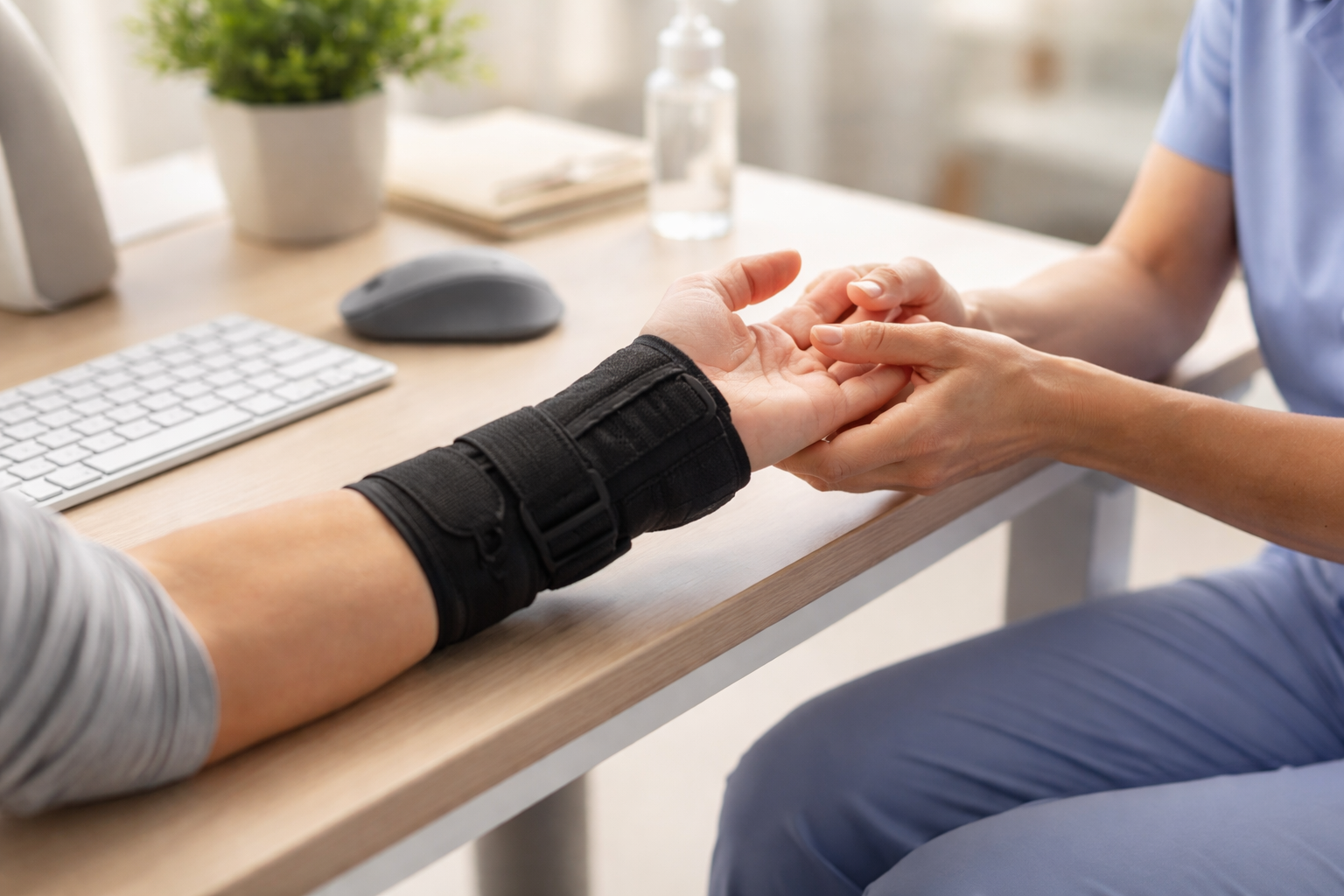
The Carpal Tunnel Syndrome Symptom Checklist
For each question, give a simple Yes or No answer based on your experience over the past few weeks. Try to focus on your most symptomatic hand if both are affected. We’ll add up the points at the end — but the specific questions where you answer “Yes” matter just as much as the total, so pay attention to the pattern as you go.
- Do you experience numbness or tingling in your thumb, index, middle finger, or the ring finger (but NOT the little finger)?
- Do your hand or finger symptoms wake you up at night?
- Do you find yourself shaking or flicking your hand to relieve the numbness?
- Are your symptoms worse when you hold something for a sustained period — a phone, a steering wheel, a book?
- Do you have weakness when gripping objects or find yourself dropping things unexpectedly?
- Do symptoms improve temporarily when you shake your wrist or change hand position?
- Do you spend significant time typing, doing repetitive hand movements, or using vibrating tools?
- Do you have diabetes, thyroid disease, or are you pregnant or peri-menopausal? (All increase risk)
- Have you had a positive Phalen’s test result? (Holding your wrists bent at 90° for 60 seconds reproduces your symptoms)
- Have symptoms been present consistently for more than 6 weeks?
Give yourself 1 point for every “Yes.” Then check your score below.
What Your Score Means
0–3: Carpal tunnel syndrome is less likely as the primary cause. Your symptoms may be related to tendinopathy, thoracic outlet syndrome, or simple muscle tension — all of which are worth tracking carefully. Something I always explain to people in this range is that a low CTS score isn’t reassuring if your symptoms are persistent or worsening — it just means the investigation needs to go in a different direction. A physiotherapist or GP can help you map the correct pathway.
4–6: A moderate overlap with the carpal tunnel symptom profile. This is particularly worth taking seriously if questions 1, 2, and 3 were among your “Yes” answers — that combination of median nerve distribution, night symptoms, and hand-flicking for relief is quite characteristic of CTS. That said, other conditions can partially mimic this pattern, which is why a GP or hand therapist assessment at this stage is genuinely worthwhile rather than optional.
7–10: A strong match with carpal tunnel syndrome. The pattern I look for is exactly this — thumb, index, and middle finger numbness, symptoms that interrupt sleep, and the instinctive hand-shaking that provides brief relief. If you’re scoring in this range, nerve conduction testing is the gold-standard confirmation and is well worth requesting. Research published in the Journal of Orthopaedic Surgery and Research has consistently supported electrodiagnostic testing as the most reliable objective measure for confirming CTS severity.
Understanding the Pattern
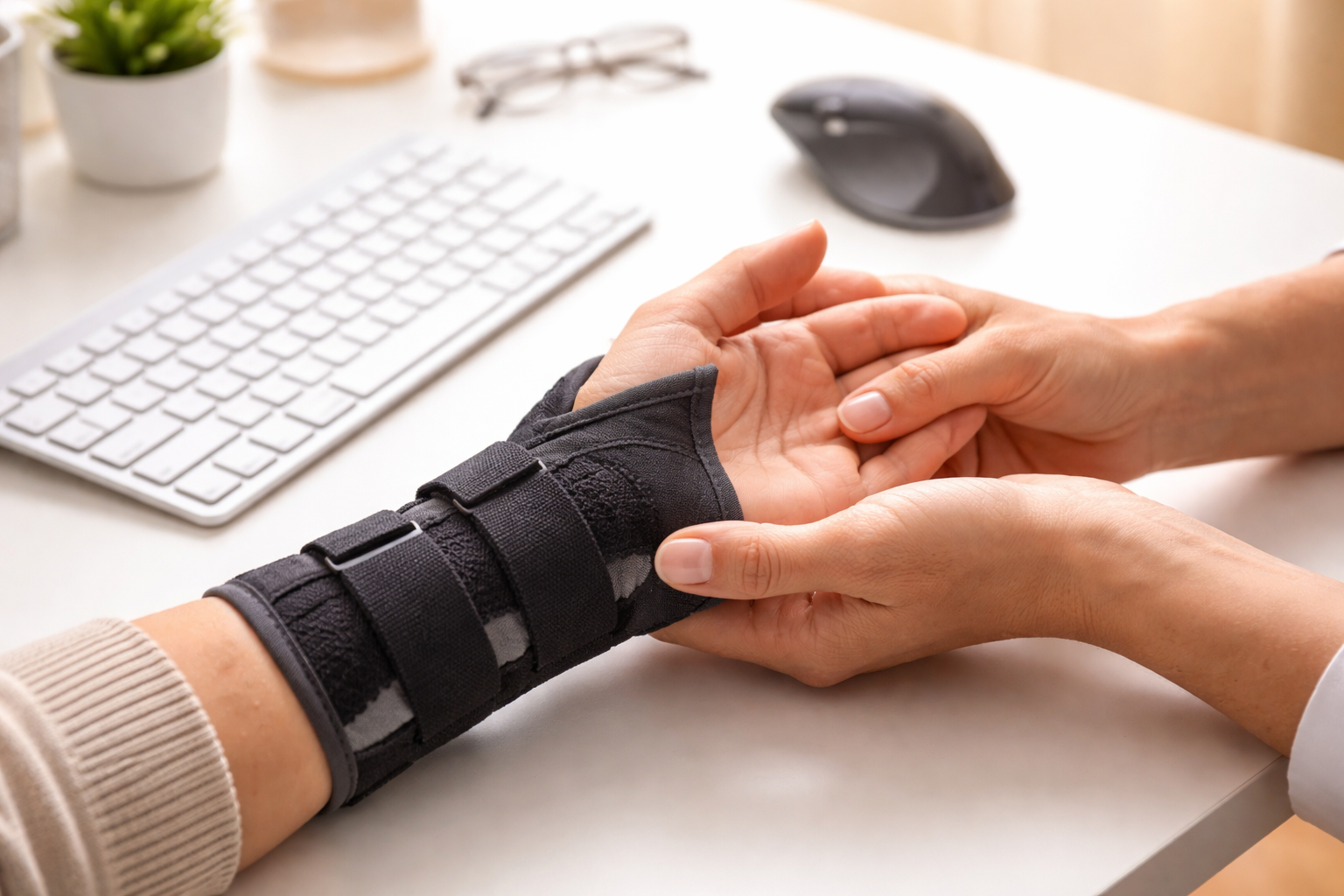
The carpal tunnel is a narrow passageway on the palm side of the wrist, formed by the carpal bones on one side and the transverse carpal ligament on the other. Running through it is the median nerve, which supplies sensation to the thumb, index finger, middle finger, and the thumb-side half of the ring finger — which is exactly why the little finger is spared in true CTS. When the tunnel becomes compressed or the tissues inside it swell, that nerve gets irritated, and you end up with the classic numbness, tingling, and weakness that make this condition so disruptive to daily life.
Night symptoms are particularly telling. When you sleep, your wrists naturally flex, which narrows the carpal tunnel further. In people with CTS, this positional pressure is often enough to tip the median nerve over into producing symptoms — hence waking up with a hand that feels like it belongs to someone else. The hand-shaking reflex that so many people describe isn’t a quirk; it’s the body’s instinctive attempt to restore blood flow and relieve nerve pressure through movement. In my experience, when someone describes doing this without even thinking about it, that detail alone makes me take CTS seriously.
Risk factors for developing CTS are well-documented and include repetitive hand and wrist activity, prolonged wrist flexion or extension (think keyboard posture), female sex, older age, pregnancy, diabetes, hypothyroidism, rheumatoid arthritis, and obesity. It’s worth noting that while repetitive work is associated with CTS, it isn’t always causal — many people with sedentary lifestyles develop it too, particularly in the context of metabolic or hormonal risk factors. Understanding your personal risk profile is helpful when you’re deciding how urgently to pursue assessment.

Take a Validated Carpal Tunnel Syndrome Assessment
If this checklist has raised your suspicions, the next step is to dig a little deeper with a more detailed self-assessment tool before — or alongside — seeking professional input. These two resources are worth bookmarking:
- My Carpal Tunnel Self-Test — a detailed at-home assessment built around the diagnostic criteria that healthcare professionals use clinically. It walks you through the key symptom markers methodically and gives you a clearer picture of where your presentation sits.
- Ubie AI Carpal Tunnel Symptom Checker — a free, three-minute AI-powered symptom checker developed in collaboration with medical specialists. It’s a smart tool for getting a quick, structured read on your symptoms without having to wade through generic health articles.
Please treat the results of any self-assessment — including this quiz — as a starting point, not a conclusion. Always discuss your findings with a qualified healthcare professional who can perform a physical examination and order appropriate investigations if needed.
Products That Can Help While You Figure This Out
While you’re working through next steps — whether that’s booking an appointment, waiting for a referral, or just trying to get through the working week with less discomfort — there are a few practical things that can make a meaningful difference to how your wrist feels day to day.
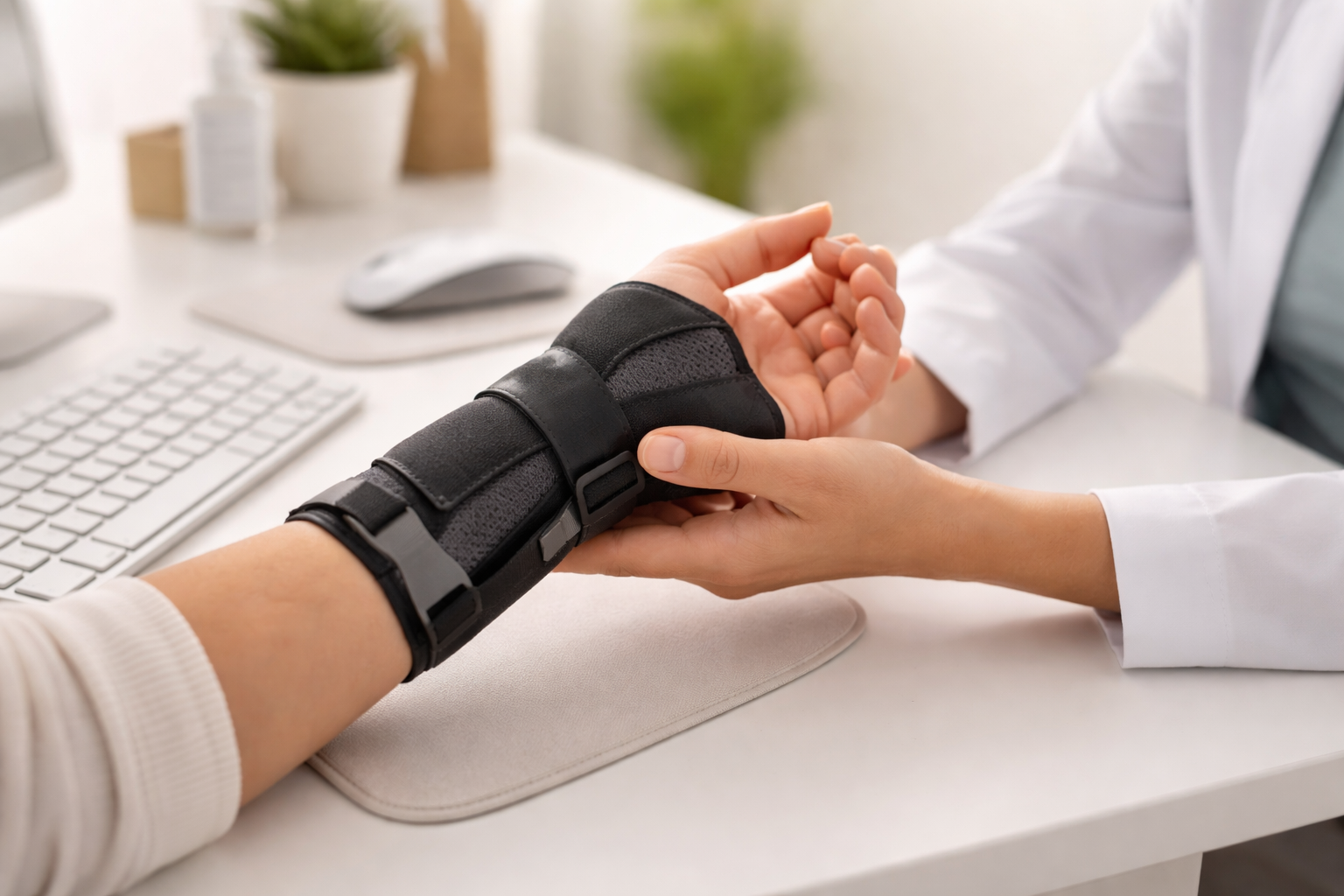
The single most evidence-supported conservative intervention for CTS is nighttime wrist splinting, which keeps the wrist in a neutral position during sleep and reduces the tunnel compression that causes those miserable nocturnal symptoms. The ComfyBrace 2 Pack Nighttime Pain Relief Wrist Brace is a popular option that fits both hands — practically important since CTS is bilateral in a significant proportion of people — and the breathable fabric makes it far more tolerable to actually wear through the night. If you prefer a more structured fit for your dominant hand, the FREETOO Carpal Tunnel Wrist Brace Night Support offers a rigid splint design that’s well-reviewed for keeping the wrist stable without being bulky. For those who need support across both hands during work or recovery, the FEATOL 2 Pack Carpal Tunnel Wrist Brace covers both right and left and is a solid choice for daytime and night use alike.
If repetitive typing is part of your daily picture, your workstation setup matters more than most people realise. Keeping the wrist in extension while you type increases carpal tunnel pressure — a well-cushioned wrist rest can encourage a more neutral position passively. The Vaydeer Wrist Rest for Keyboard and Mouse uses soft memory foam to support the palm without forcing the wrist into awkward angles, and the Gimars Gel Memory Foam Keyboard Wrist Rest Set pairs silky fabric with gel cushioning for a comfortable all-day typing surface. If you want to go one step further, the Vaydeer Wrist Rest with Keyboard Stand allows you to adjust keyboard tilt alongside wrist support — a genuinely useful combination if you’re trying to overhaul your desk ergonomics.
Getting to grips with what’s actually going on with your hand is the most important thing you can do right now — and taking a structured quiz like this one is a genuinely useful first step. Whether your score points clearly toward CTS or opens up other possibilities, you now have a much sharper picture of your symptom pattern to bring to a healthcare professional. Don’t sit on persistent hand or wrist symptoms. They respond far better to early, targeted intervention than to months of hoping things settle on their own. You deserve a hand that works properly — and with the right information and support, that’s an achievable goal.