
You know that feeling — you wake up, swing your legs over the side of the bed, and the moment your feet hit the floor, your knees or hips remind you they were not consulted about this plan. Maybe you’ve been putting off exercise because you’re afraid it’ll make things worse. Or maybe you’ve tried a few routines and paid for it the next morning. If any of that sounds familiar, you’re in good company, and I want you to know: moving your body doesn’t have to hurt. In fact, low-impact joint exercises done consistently and correctly may be one of the most effective things you can do to support long-term joint health.
This post contains affiliate links. As an Amazon Associate, I earn from qualifying purchases. This means I may earn a small commission if you click through and make a purchase — at no extra cost to you. I only recommend products I believe are genuinely useful for joint health and recovery.
Why Low-Impact Joint Exercises Deserve a Spot in Your Daily Routine
Here’s something I wish more people understood early on: joints need movement to stay healthy. Cartilage doesn’t have its own blood supply — it gets its nutrients through the fluid that moves in and out when you compress and release it during motion. So staying completely still to “protect” achy joints can actually work against you over time. The key is choosing the right kind of movement.
Low-impact exercise reduces the stress placed on your joints while still keeping them mobile, strengthening the surrounding muscles, and supporting circulation. Research suggests that regular, gentle movement may help reduce inflammation, improve range of motion, and even decrease pain perception over time. That’s not a magic promise — it’s physiology working in your favor when you give it a chance.
Best Low-Impact Movement Options to Consider
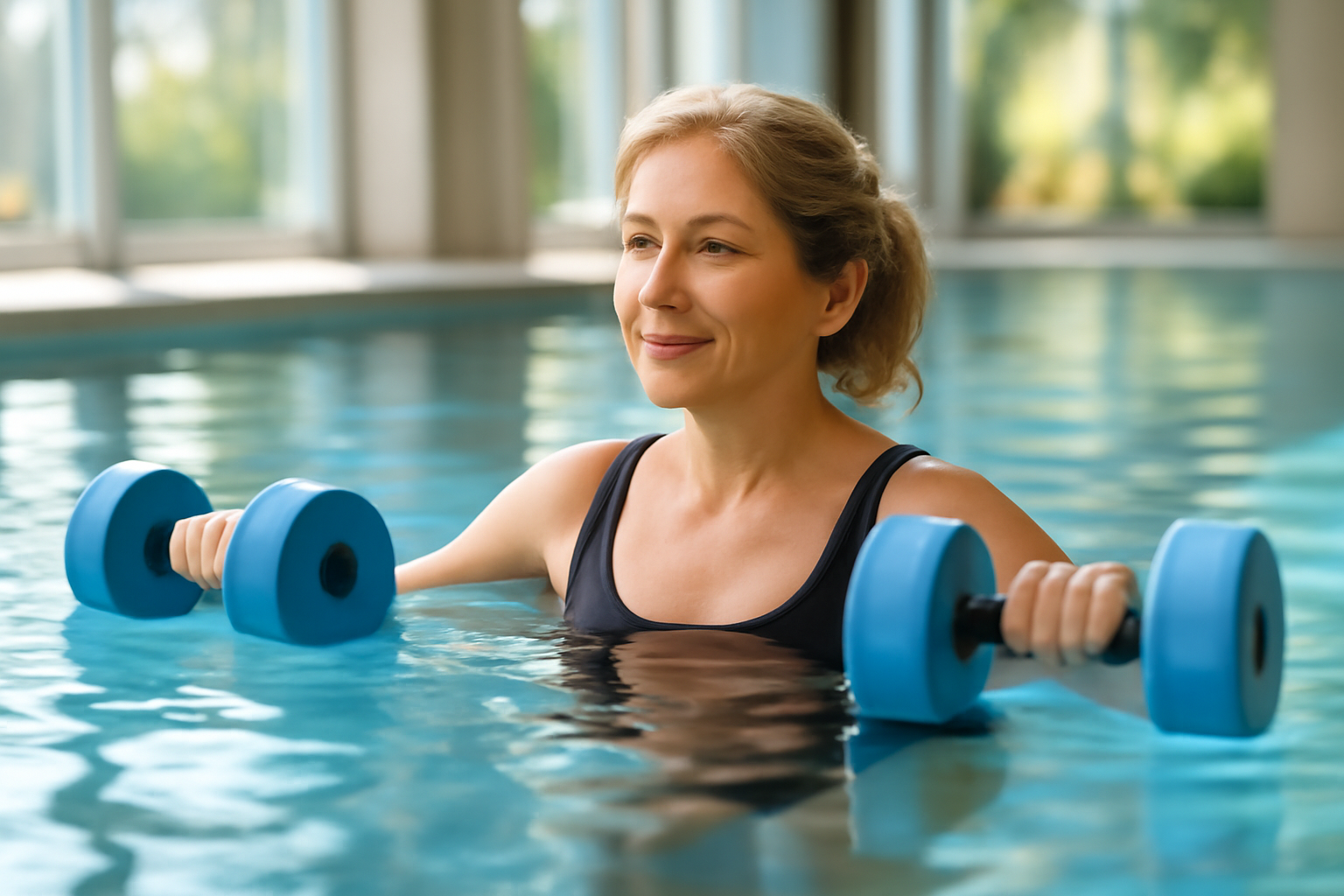
- Swimming or water aerobics: The buoyancy of water dramatically reduces joint load. Many people with hip, knee, or lower back issues find water-based exercise to be a game-changer.
- Walking on flat, forgiving surfaces: Even 20–30 minutes of daily walking on grass or a rubberized track can help maintain joint mobility without excessive impact.
- Cycling (stationary or outdoor): A smooth, low-resistance pedaling motion is excellent for knee and hip joints with minimal pounding.
- Tai chi and yoga: Both emphasize controlled, slow movement and balance — research suggests these practices may help reduce joint stiffness and improve proprioception.
- Resistance band training: Gentle strengthening without the compression force of free weights. Building the muscles around your joints is one of the best things you can do for long-term stability.
Small Daily Habits That Add Up Over Time
I always tell people: don’t underestimate the power of the little stuff. Grand exercise programs are great, but it’s often the small, consistent daily habits that produce the most noticeable improvement in how your joints feel week to week.
Warm Up Before You Move
Cold, stiff joints are more vulnerable to strain. Spending five to ten minutes doing gentle range-of-motion movements before any exercise — even just slow arm circles, ankle rolls, or knee bends — may help prepare the joint for activity. Think of it like warming up an engine before you push it.
Don’t Skip the Cool-Down and Recovery Phase
Recovery isn’t optional — it’s where a lot of the benefit actually happens. Gentle stretching, myofascial release work, and targeted pressure therapy after movement can help reduce post-exercise soreness and keep tissues from tightening up. This is where some of the tools I recommend below come into play, and where many people find real relief.
Stay Hydrated and Move Frequently Throughout the Day
Sitting for long stretches compresses joint structures and reduces fluid circulation. Setting a timer to stand, walk, or gently stretch every 45–60 minutes can make a noticeable difference. And proper hydration supports the synovial fluid that cushions your joints — don’t overlook something that simple.
Products Worth Trying for Joint-Friendly Recovery
These are tools I genuinely think are worth your attention — practical, affordable, and useful for supporting the kind of recovery routine that complements low-impact movement. None of these replace proper medical care, but many people find them helpful as part of a consistent self-care practice.
For Tension Release and Myofascial Work
If you’ve never tried massage balls for muscle recovery, now is the time. The Massage Lacrosse Balls for Myofascial Release (Set of 2 — Blue and Red) are firm, durable, and great for working out knots in the calves, glutes, and upper back — areas that tend to pull on joint alignment when they’re tight. Roll slowly over a tender spot, pause, breathe, and let the tissue release. Many people find this kind of targeted pressure helps ease the aching that accumulates around joints after activity.
For something with a bit more sensory texture, the MySkills4Life 2X Spiky DBT Skill Balls are a unique option. These magnetic spiky balls can be used for relaxation, tension release, and gentle mobility work. The spiky surface provides a different kind of pressure stimulation that some people find more effective for circulation and sensory engagement — and they’re small enough to keep at your desk or in a bag.
For Hand and Finger Joint Health
Hand joints are often overlooked until they start aching from daily tasks. The Hand Exercise Ball Finger Therapy Ball is a simple, effective tool for grip strengthening, improving finger flexibility, and providing gentle stress relief through repetitive squeezing. Research suggests that hand strengthening exercises may help support joint function in people managing stiffness or early mobility loss — and this kind of tool makes it easy to do a few minutes of work while watching TV or sitting at a desk.
For Back and Neck Recovery at Home
If tension in your back or neck is contributing to your overall discomfort — and it often does, since the spine affects so much of how your body loads its joints — an acupressure mat may be worth exploring. The ProsourceFit Acupressure Mat and Pillow Set (Large — Black) and the ProsourceFit Acupressure Mat and Pillow Set (Classic Black) are both well-reviewed options with thousands of satisfied users. Lying on one for 10–20 minutes after a workout or at the end of the day may help promote relaxation and ease muscle tension in the areas surrounding your spine. Many people find this becomes a go-to part of their wind-down routine.
Start Where You Are — Not Where You Think You Should Be
I want to close with something I say to almost