
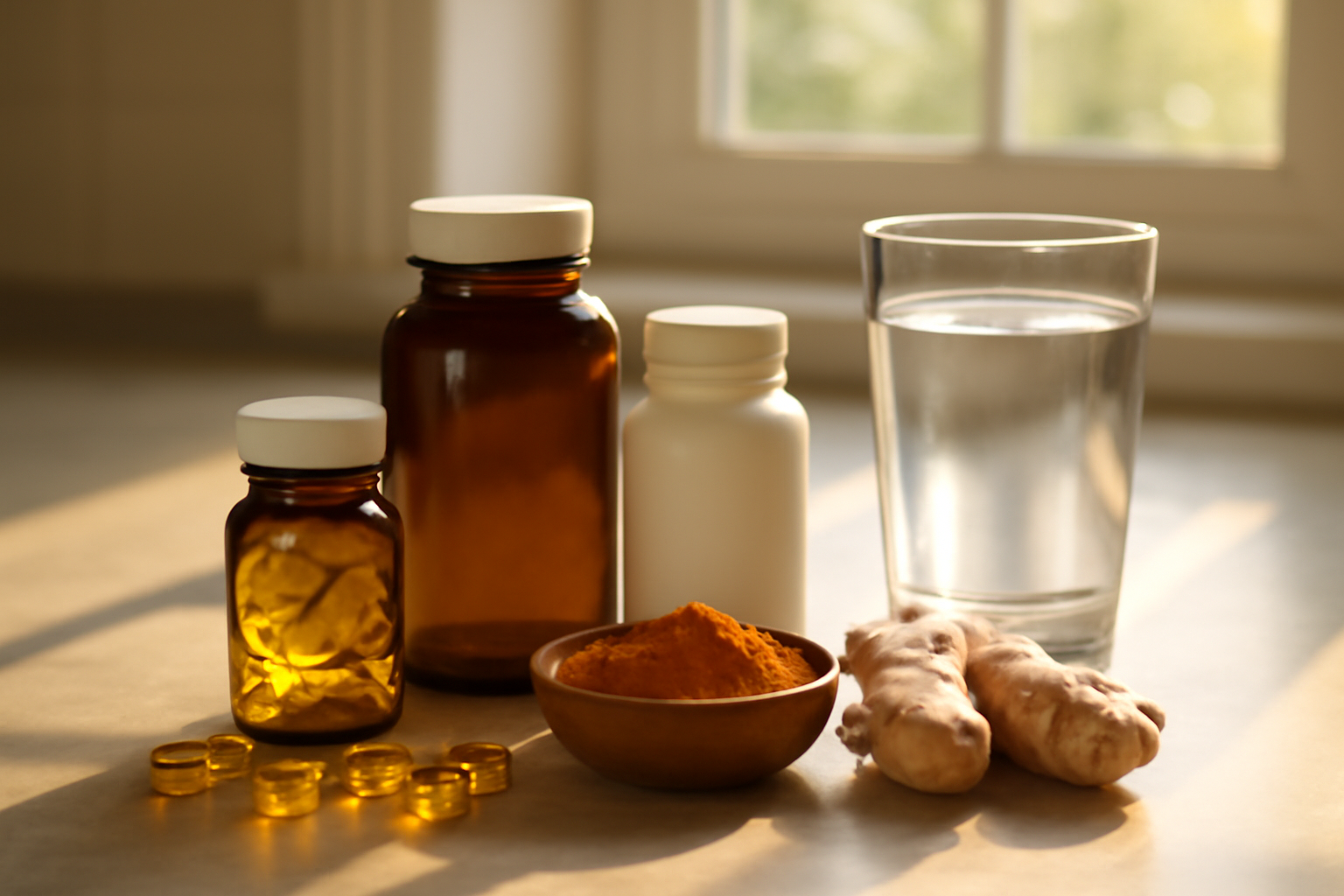
- Morning:
You wake up one morning with that familiar ache in your knees, a little stiffness in your fingers, and then — on top of it all — you feel a scratchy throat coming on. Sound familiar? If you’re managing joint discomfort and feel like your immune system never quite catches a break, you’re not alone. I’ve worked with so many people in exactly this situation, and one of the most common questions I hear is whether there are immune support joint supplements that can actually pull double duty and help with both. The good news? There really are some solid options worth knowing about.
This post contains affiliate links. As an Amazon Associate, I earn from qualifying purchases. This means I may earn a small commission if you click through and make a purchase — at no extra cost to you. I only recommend products I genuinely believe may be helpful.
Why Joint Health and Immune Health Are More Connected Than You Think
Here’s something that surprised a lot of my clients when I first brought it up: your immune system and your joints are deeply intertwined. Inflammation — the same process your immune system uses to fight off illness — also plays a central role in joint discomfort. When your immune system is overworked or out of balance, it can contribute to the kind of chronic low-grade inflammation that makes your joints feel stiff, swollen, or sore.
This is why I always encourage people to think about joint and immune health together, rather than as separate issues. When you support one, you’re often supporting the other. And that’s where certain supplements really start to shine.
Key Ingredients to Look For in Immune Support Joint Supplements
Not all supplements are created equal. When I’m recommending something to a client or friend, I look for specific ingredients that have real research behind them — not just marketing buzz. Here are the ones I consistently come back to:
Quercetin
Quercetin is a natural flavonoid found in foods like apples, onions, and berries. Research suggests it may help support a balanced immune response and has antioxidant properties that could be beneficial for joint tissues. Many people find that quercetin, especially when paired with bromelain, becomes a go-to part of their daily routine.
Bromelain
Bromelain is an enzyme derived from pineapple, and it’s frequently paired with quercetin because the two may work synergistically. Research suggests bromelain may help support healthy inflammation levels, which is particularly relevant for people dealing with joint discomfort. It may also help with the absorption of quercetin itself.
Vitamin C
This one probably doesn’t surprise you. Vitamin C is a cornerstone of immune health, but it also plays an important role in collagen production — which is essential for maintaining the cartilage in your joints. Getting enough Vitamin C consistently may help support both systems at once.
Turmeric and Ginger
Both turmeric and ginger have been studied for their potential to support healthy inflammatory responses. Many people with joint discomfort report feeling a difference when they incorporate these into their routines, whether through food or supplementation.
Elderberry, Zinc, and Vitamin D
These three are immune heavyweights. Elderberry has been used for centuries for immune support, while zinc and Vitamin D are critical for immune cell function. Vitamin D in particular has been linked in research to musculoskeletal health, meaning it may play a role in how your muscles and joints feel day to day.
Products Worth Trying: What Actually Helps
I want to be straightforward with you: no supplement is going to be a cure-all, and none of these replace a healthy lifestyle, good sleep, or professional medical care. But for many people, the right supplement stack can make a meaningful difference in how they feel daily. Here are some options I feel good about recommending.
ForestLeaf Quercetin with Bromelain 1350mg
This is a robust formula that combines 500mg of quercetin with bromelain, Vitamin C, and stinging nettle in one capsule. Stinging nettle is a nice bonus here — it’s been traditionally used for joint discomfort and may have some supportive immune properties as well. It’s Non-GMO, gluten-free, and comes in a 90-count bottle, making it a solid value for daily use. Check it out on Amazon here.
NOW Supplements Quercetin with Bromelain (60 Veg Capsules)
NOW is a brand I trust for quality and transparency. This straightforward quercetin-bromelain combination is a great entry point if you want to try this pairing without a lot of added ingredients. It’s well-priced and easy to find. See it on Amazon.
NOW Foods Quercetin with Bromelain (120 Veg Capsules)
Same trusted NOW formula, but in a larger 120-count bottle — which is ideal if you’re committing to a longer routine and want to save a little money per serving. Many people find quercetin most helpful when taken consistently over time. Grab the larger size on Amazon.
Elderberry Immune Support 8-in-1 Formula
This one is a standout for people who want a comprehensive immune and joint support formula in a single capsule. It combines elderberry, echinacea, Vitamin C, zinc, Vitamin D (5000 IU), turmeric, ginger, and ashwagandha. That’s a lot of well-researched ingredients working together. Ashwagandha is a nice addition too — research suggests it may help with stress adaptation, and chronic stress is a well-known contributor to both immune dysfunction and joint flares. Check the 8-in-1 formula on Amazon.
Nature’s Bounty Immune 24 Hour+ with Ester-C
If consistent Vitamin C support is your priority, this is a smart pick. What sets it apart is the use of Ester-C, a form of Vitamin C that research suggests may be gentler on the stomach and retained in white blood cells longer than standard ascorbic acid. It also includes Vitamin D and zinc, rounding out the immune support picture nicely. Two softgels per day makes it an easy habit to build. Find it on Amazon here.
How to Build a Simple Daily Supplement Routine
You don’t need to take everything at once. I usually suggest starting with one or two supplements and giving them at least four to six weeks before evaluating whether you notice a difference. Here’s a simple approach many people find workable:
- Morning: