
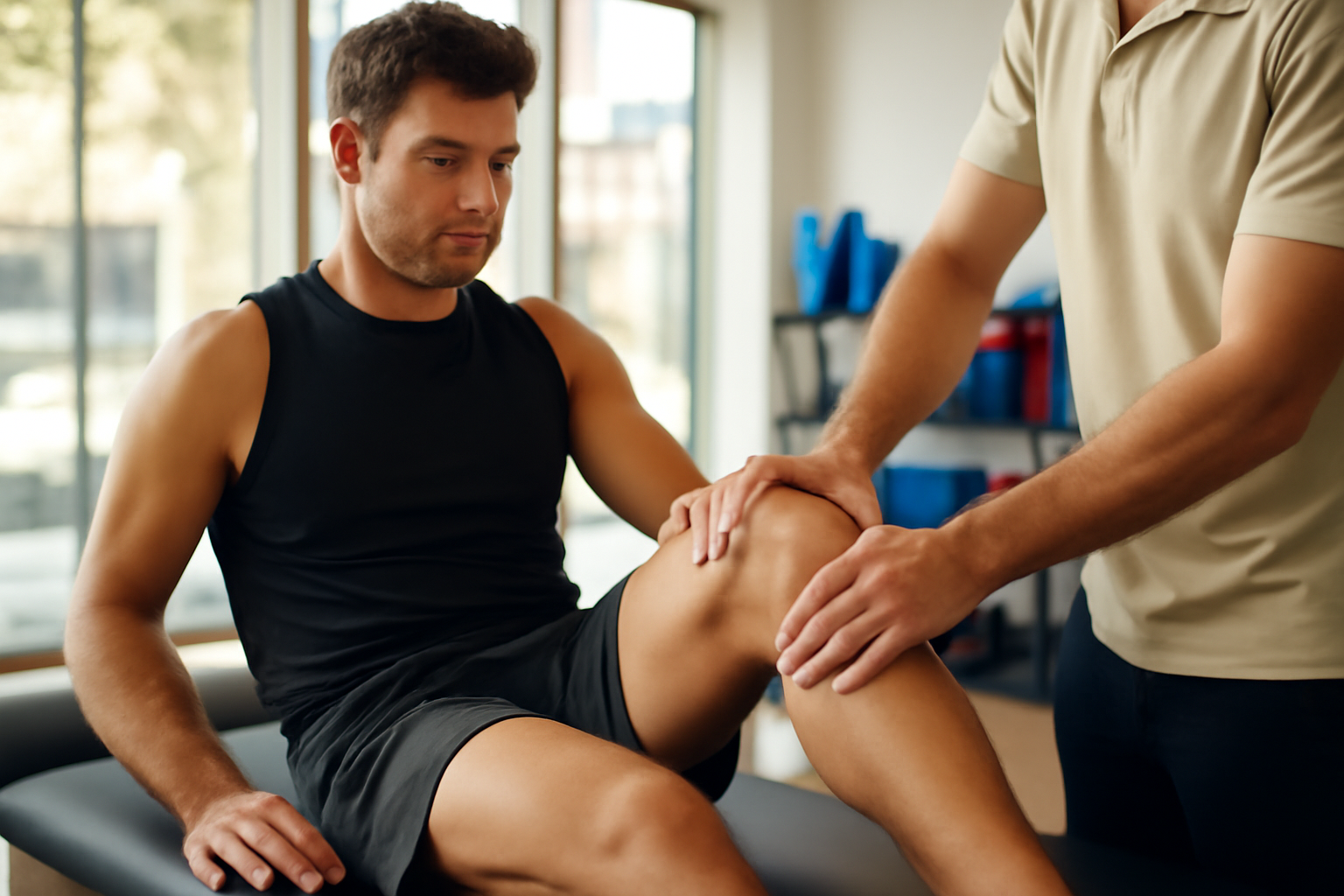
- Use TENS therapy during rest windows to manage pain signals and encourage muscle recovery
- Use TENS therapy during rest windows to manage pain signals and encourage muscle recovery
You know that feeling — you push through a tough workout, a long run, or an intense weekend game, and by the time Monday rolls around, your knees, hips, or shoulders are screaming at you. I’ve been there, and so have most of the athletes and active people I’ve worked with over the years. The good news is that sports recovery therapy for joints has come a long way, and in 2025, there are more practical, accessible options than ever to help you bounce back faster and feel better doing it.
Affiliate Disclosure: This post contains affiliate links. As an Amazon Associate, I earn from qualifying purchases. This helps keep JointHealthFAQ.com running at no extra cost to you, and I only recommend products I genuinely believe may be helpful.
Why Joints Take the Hardest Hit During Physical Activity
Here’s something I always remind people: your muscles are pretty good at recovering on their own. They’re designed to break down and rebuild. Your joints? They’re a little more complicated. Cartilage doesn’t have a rich blood supply, which means it heals more slowly. The synovial fluid that cushions your joints can get inflamed after repeated stress, and the connective tissue around the joint — tendons and ligaments — needs time and the right conditions to recover properly.
That dull ache in your knee after a long run, or the stiffness in your shoulder after an overhead workout — that’s your body sending a very clear signal. Ignoring it is one of the most common mistakes I see active people make. The other mistake? Thinking rest alone is enough. Strategic recovery matters just as much as the training itself.
The Most Effective Sports Recovery Therapies for Joints Right Now
Over the years, I’ve seen a lot of recovery trends come and go. What I’m sharing here are the approaches that research consistently supports and that real people actually stick with — because the best therapy is the one you’ll actually use.
1. Electrical Stimulation Therapy (TENS)
Transcutaneous electrical nerve stimulation — better known as TENS — is one of my top recommendations for joint pain after activity. The basic idea is that low-voltage electrical pulses may interrupt pain signals traveling to your brain and also encourage the release of endorphins, your body’s natural pain-relief system. Research suggests TENS therapy may help reduce perceived pain and improve comfort during recovery, particularly around the knees, shoulders, and lower back.
What I love about TENS units is that they’ve become genuinely affordable and easy to use at home. You don’t need a clinic appointment to get relief anymore.
2. Topical Pain Relief
Topical treatments are underrated in my opinion. Rather than taking something orally, you apply relief directly to the area that hurts. Many people find that targeted topical application helps them manage localized joint discomfort more comfortably after workouts or competition.
3. Active Recovery and Movement
This one is free and often overlooked. Gentle movement — swimming, walking, cycling at low resistance, or even slow yoga — promotes circulation to joint-supporting tissues. It helps flush out inflammatory byproducts without loading the joint the way hard training does. I recommend at least one active recovery day per week for anyone dealing with recurring joint soreness.
4. Cold and Heat Therapy
Ice within the first 24–48 hours after an acute flare-up may help reduce swelling. Heat is better for chronic stiffness and encouraging blood flow before movement. Alternating the two — sometimes called contrast therapy — is something many athletes swear by, and some research does support its role in reducing muscle soreness and perceived fatigue.
Products Worth Trying for Sports Recovery Therapy and Joints
I want to be upfront: none of these products will cure an injury or replace a visit to your doctor or physical therapist if something is seriously wrong. But for the everyday aching, post-game stiffness, and training-related joint fatigue that most active people deal with regularly, these are options I feel comfortable pointing you toward.
TENS 7000 Digital TENS Unit
The TENS 7000 Digital TENS Unit is one of the most popular and well-reviewed units on the market for good reason. It’s straightforward to use, comes with accessories, and covers a wide range of common joint and muscle complaints — back, shoulder, hip, knee, you name it. Many people find it helpful for managing soreness during recovery windows between training sessions. It’s a solid entry point if you’ve never tried TENS therapy before.
AUVON Rechargeable TENS Unit
If you want something a little more feature-rich, the AUVON Rechargeable TENS Unit offers 24 modes and comes with eight premium electrode pads. The rechargeable design means you’re not constantly replacing batteries, which is a small but real quality-of-life win. Many users appreciate the variety of modes for targeting different types of pain and muscle recovery.
Dual Channel TENS EMS Unit — 24 Modes, 36 Levels
For those who want the most versatility, the Dual Channel TENS EMS Unit combines both TENS and EMS (electrical muscle stimulation) in one device. EMS is useful for keeping muscles engaged and improving circulation during recovery, while TENS targets pain signals. The large screen and 36 intensity levels make it easy to fine-tune your session. Ten pads included means you can address multiple areas at once.
HealthWise Lidocaine Plus+ Cream
For fast-acting topical relief, HealthWise Lidocaine Plus+ Cream contains 4% OTC lidocaine alongside 10% benzyl alcohol. It’s non-greasy, which matters when you’re applying it before or after activity. Lidocaine works as a topical anesthetic — it may help numb localized discomfort around sore joints so you can move more comfortably during recovery activities or daily tasks.
Boiron Arnicare Gel
If you prefer a more natural-leaning option, Boiron Arnicare Gel is a fragrance-free, non-greasy arnica-based gel that many active people reach for after workouts to address joint soreness, muscle pain, and bruising. Arnica has a long history of use in sports and physical therapy settings, and many athletes find it a gentle, comfortable part of their post-activity routine.
Building a Recovery Routine That Actually Sticks
The biggest thing I want you to take away from this is that recovery doesn’t have to be complicated or expensive. A good sports recovery therapy routine for your joints might be as simple as a 15-minute TENS session in the evening, applying a topical gel to your sore knee after a run, and committing to one low-intensity movement day each week. Stack a few consistent habits together, and most people notice a real difference in how their joints feel over time.