
This post contains affiliate links. As an Amazon Associate I earn from qualifying purchases.
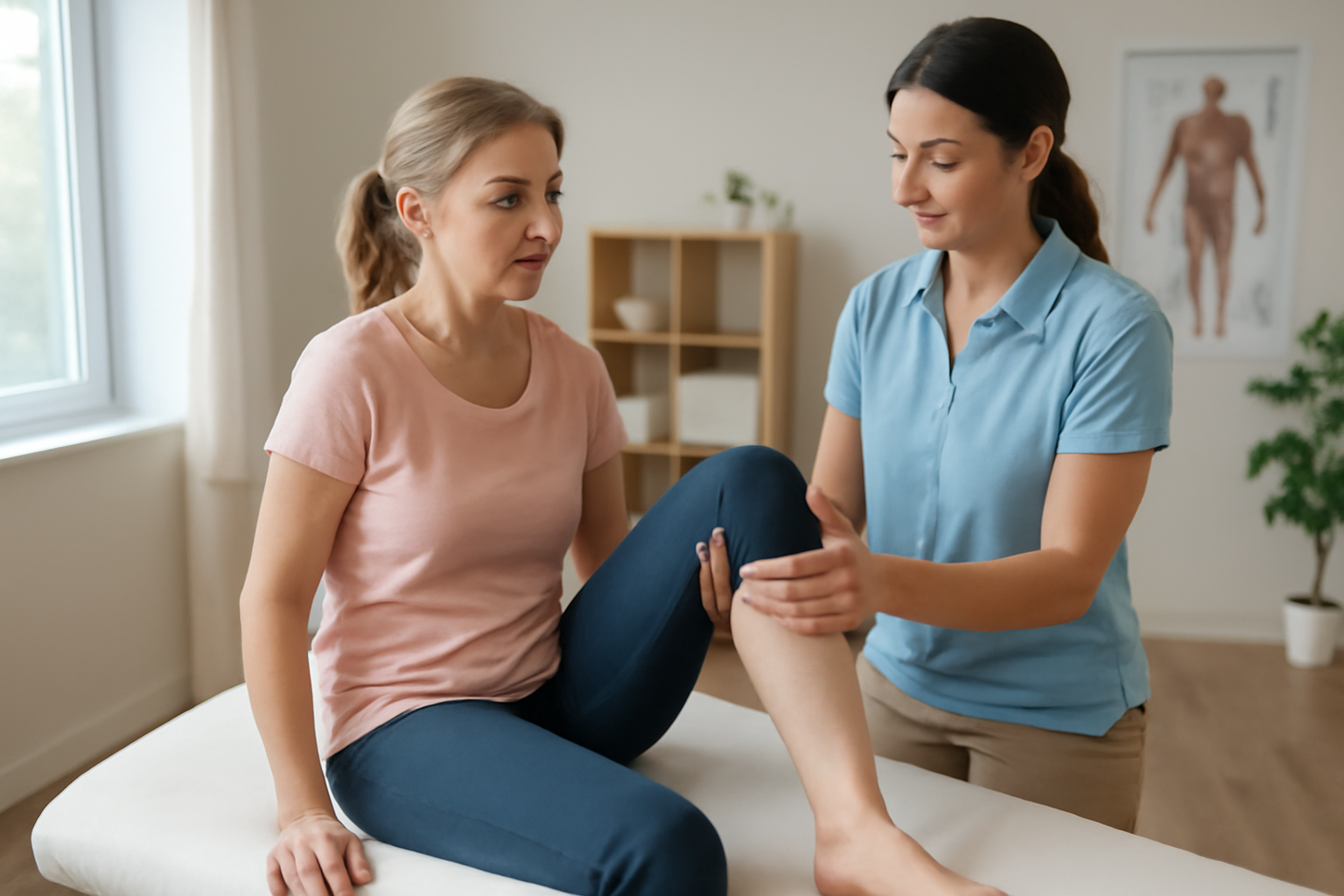
About three years into my career, I had a 58-year-old patient named Margaret — a retired schoolteacher who came to me with bilateral knee pain so severe she had stopped walking her dog. She had already tried two rounds of cortisone injections, a course of NSAIDs, and a drawer full of supplements that had done nothing. I put her through a standard 12-week rehabilitation protocol focusing on quadriceps strengthening, gait retraining, and load management. She made solid progress. But the breakthrough came when we added a specific type of collagen supplement to her routine — and she was walking three miles a day within four months.
That experience changed how I think about nutritional support in joint rehabilitation. I am not someone who recommends supplements casually. I spent years being openly sceptical of the collagen category because the early products were poorly standardised, the research was thin, and patients were wasting money. But the evidence has matured significantly, and so has my clinical thinking. What I now understand — and what most generic supplement advice still gets completely wrong — is that not all collagen is the same, and the type you take matters enormously depending on your specific joint health goals.
Why Collagen Type Actually Matters for Joint Recovery
There are at least 28 identified types of collagen in the human body, but for musculoskeletal and joint health, three are clinically relevant: Type I, Type II, and Type III.
Type II collagen is the primary structural protein found in articular cartilage — the smooth tissue that cushions the ends of bones in your knees, hips, and shoulders. When joint degeneration occurs, it is largely Type II collagen that breaks down. Type I and Type III collagen, by contrast, are found predominantly in tendons, ligaments, skin, and bone. They are important for overall connective tissue integrity, but they are not a direct substitute for cartilage support.
This distinction is not just academic. In my clinical practice, I have seen patients spend months taking a standard collagen powder — usually a Type I and III blend marketed for “skin and joints” — and wondering why their knee pain is not improving. The answer is often that they are using the wrong tool for the job.
What the Research Actually Says
The most compelling evidence I have reviewed centres on hydrolyzed Type II collagen, particularly a clinically studied form called BioCell Collagen. A double-blind, placebo-controlled trial published in the Journal of Agricultural and Food Chemistry (2012) found that BioCell Collagen supplementation significantly reduced joint discomfort and improved physical activity in subjects with osteoarthritis-related joint pain. What makes BioCell specifically interesting is its molecular profile — it contains hydrolyzed Type II collagen alongside chondroitin sulfate and hyaluronic acid in a naturally occurring matrix, which mirrors the composition of healthy articular cartilage.
A separate 2017 review in the British Journal of Sports Medicine examined collagen supplementation combined with exercise in patients with activity-related joint pain. The findings supported using hydrolyzed collagen alongside a targeted exercise programme — not as a replacement for it, but as a meaningful adjunct. That combination is exactly how I now structure my recommendations in the clinic.
For tendons and ligaments specifically — common injury sites in runners, overhead athletes, and anyone recovering from a sprain — the research by Dr. Keith Baar at UC Davis has been influential. His work suggests that hydrolyzed Type I collagen taken approximately 30 to 60 minutes before exercise, combined with Vitamin C, may enhance collagen synthesis in connective tissues. This is a much more targeted approach than simply taking a capsule whenever you remember.
The Timing and Dosing Details Most People Miss
One of the biggest mistakes I see patients make is treating collagen like a multivitamin — something you just take in the morning and forget about. The evidence suggests timing matters more than most people realise.
- For cartilage support: 40mg of undenatured Type II collagen daily, or 10–15g of hydrolyzed Type II collagen. Consistency over at least 90 days is necessary before drawing conclusions about effectiveness.
- For tendon and ligament recovery: 15g of hydrolyzed collagen (Types I and III) taken 45–60 minutes before a structured exercise session, combined with 50mg of Vitamin C to support prolyl hydroxylase activity — the enzyme involved in collagen cross-linking.
- General connective tissue maintenance: 10g of hydrolyzed collagen daily, any time, is a reasonable baseline for active individuals over 40.
Collagen supplements also work best when inflammation is managed. If a patient is eating a heavily pro-inflammatory diet, smoking, or chronically sleep-deprived, no supplement will compensate for that baseline physiological stress.
An Honest Caveat
I want to be straightforward here: collagen supplementation is not a cure for osteoarthritis or significant structural joint damage. I have had patients with Grade III to IV cartilage loss on MRI who supplemented diligently for six months with minimal symptom change. At that stage of degeneration, the structural deficit is too significant for nutritional support alone to overcome. The research generally shows the strongest results in early to moderate joint degeneration and in active adults with exercise-related joint discomfort, not in advanced disease. Anyone with persistent, worsening joint pain should have a proper clinical evaluation before reaching for supplements as a first response.
What I Recommend to Patients (and Use Myself)
After years of reviewing the literature and watching patient outcomes, I have narrowed my recommendations to a small number of products I genuinely stand behind. I am not suggesting a stack of ten things — I am suggesting the right tool for the right situation.
For Cartilage and Intra-Articular Joint Support
My top recommendation for patients with knee, hip, or shoulder joint pain related to cartilage wear is the NOW Foods Supplements, BioCell Collagen® Hydrolyzed Type II, Clinically Validated, 120 Veg Capsules. This product uses the same BioCell Collagen ingredient studied in peer-reviewed trials, which matters to me. Many collagen products make structure-function claims based on studies done on entirely different ingredient formulations. This one does not.
For patients who want additional joint complex support including hyaluronic acid alongside Type II collagen, I also point them toward the NeoCell Joint Complex Supplement | 120 Capsules | Plus Hyaluronic Acid | Collagen Type II | Advanced Formula. Hyaluronic acid plays a direct role in synovial fluid viscosity — the lubricating fluid inside your joints — so combining it with Type II collagen makes physiological sense for joint comfort and mobility.
For Tendon, Ligament, and General Connective Tissue Recovery
When I am working with patients recovering from tendinopathies, ligament sprains, or post-surgical reconstruction, I shift to a hydrolyzed Type I and III formula. My current recommendation in this category is Sports Research Collagen Peptides – Hydrolyzed Type 1 & 3 Collagen Powder Protein Supplement for Healthy Skin, Nails, & Joints. It mixes cleanly, is unflavoured, and delivers a clinically relevant dose per serving. I instruct patients to take it 45 minutes before their rehab exercise session with a small glass of orange juice for the Vitamin C co-factor.
The Bottom Line
After 14 years in clinical practice, my position on collagen supplements for joints has evolved from sceptical to selectively enthusiastic. The evidence supports specific types, specific doses, and specific timing — not collagen in the abstract. If you are taking a generic collagen powder without knowing what type it is, when to take it, or why, you are likely leaving most of its potential benefit on the table.
Combine the right collagen supplement for joints with a structured, progressive exercise programme and you have a genuinely evidence-informed strategy for improving joint resilience and reducing pain over time. That is the combination that helped Margaret get back to walking her dog — and it is the combination I continue to build into patient care plans every week.