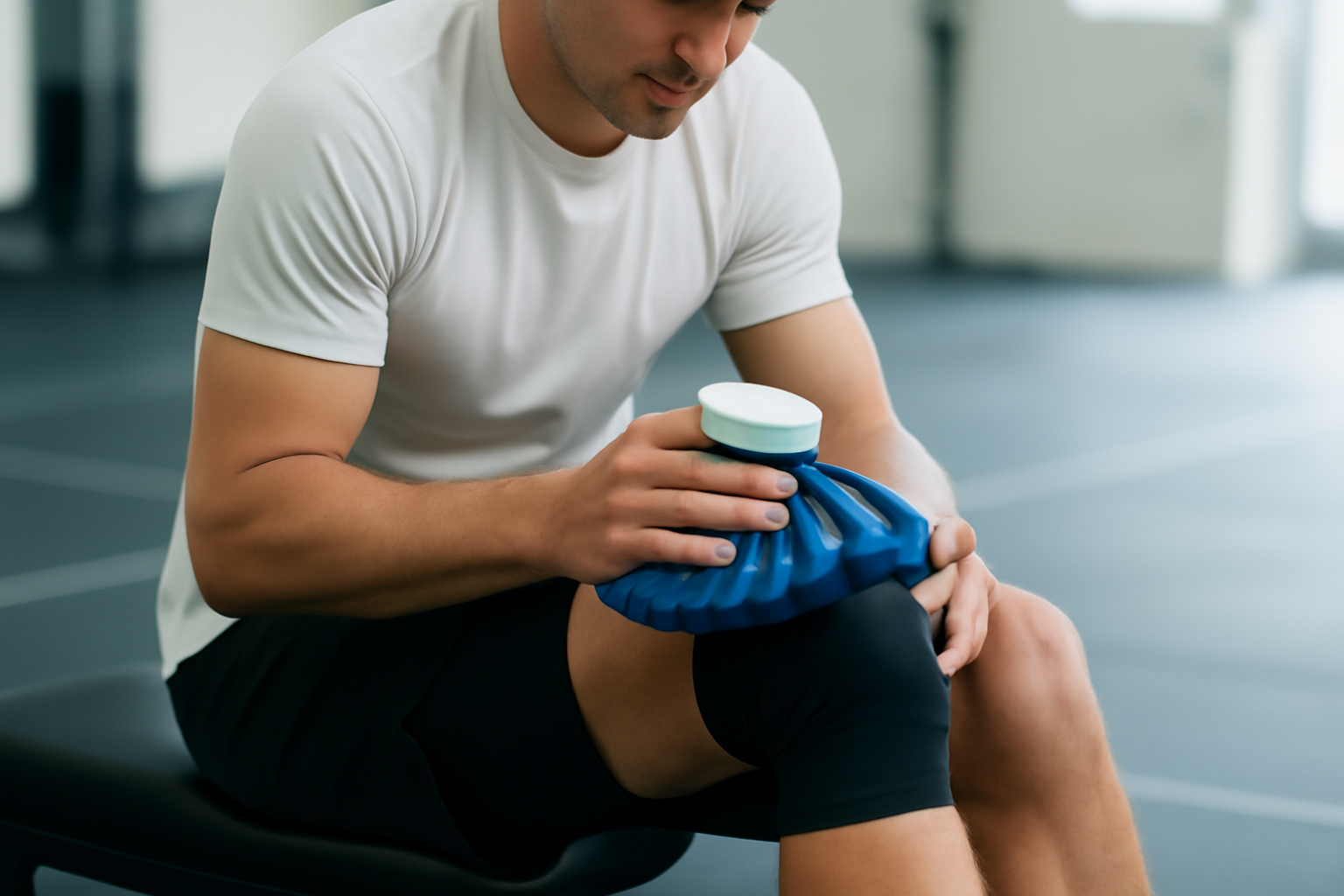

Picture this: you’re three weeks out from your biggest race of the season, or maybe halfway through a competitive soccer league, and your knee has been talking to you — loudly. Not a sharp, stop-everything kind of pain, but that dull, persistent ache that greets you on the stairs in the morning and flares up around mile four. You’re taping it, popping ibuprofen before games, and quietly Googling athletic pain relief options at midnight. The question underneath all of it is really just one thing: do I push through this, or do I need to stop? That’s the decision I want to help you make well.
Step One: Acute or Chronic? This Decides Everything Else
Before anything else — ice, heat, a pill, a topical — you need to sort your pain into one of two buckets, because the right response is genuinely different for each one.
Acute pain is sudden, sharp, and usually tied to a specific moment — a twist, a landing, a collision. It’s your body’s alarm system firing, and you should respect it. Swelling within the first hour, a significant loss of range of motion, joint instability, or pain that makes you limp are all stop-now signals, not “tape it and see” signals.
Chronic athletic joint pain is different. It builds over weeks, tends to ease up once you’re warmed up, and is often tied to training load or muscle imbalances rather than structural damage. In many cases, athletes can train through it carefully while addressing the underlying cause — but “carefully” is doing a lot of work in that sentence.
A simple rule I use: if your pain is above a 4 out of 10 during activity, or it’s getting measurably worse week over week, you’re not in “push through” territory anymore, regardless of which bucket it started in. Pain that improves during warm-up and returns to baseline after activity is a different conversation than pain that spikes mid-game and lingers for days.
If It’s Chronic: Ice, Heat, and NSAIDs — Used the Way They’re Actually Meant To Be
Once you’ve confirmed you’re dealing with the manageable, chronic kind of ache, here’s where most athletes get their at-home strategy backwards.
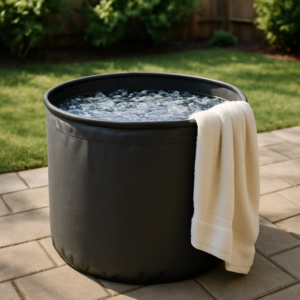
Ice belongs in the first 24–48 hours after an acute flare-up — it helps manage the initial inflammatory response and numbs pain in the short term. Beyond that window, ice does comparatively little for healing, and some research suggests excessive icing may actually slow tissue repair by blunting the inflammatory signals your body needs. Heat is for chronic stiffness before activity — if a joint needs twenty minutes to “get going” every morning, gentle heat before your warm-up increases tissue extensibility and blood flow. Mixing these up — icing a chronically stiff knee nightly, or sitting a fresh sprain in a hot bath — is one of the most common self-treatment mistakes I see.
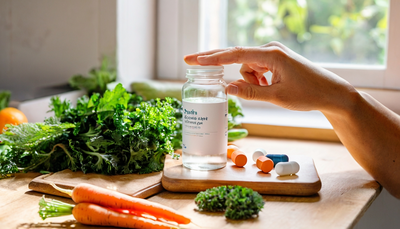
NSAIDs like ibuprofen work, and for a short-term flare, they’re a reasonable tool. The problem is the “just take it before every game” habit. Regular daily NSAID use is linked to gastrointestinal irritation, reduced kidney blood flow during intense exercise, and emerging evidence suggests it may blunt some of the muscle and tendon adaptation signals training is supposed to produce. Use them strategically around a bad flare, not as a standing pre-game ritual — if you find you need one to get through every session, that’s the pain telling you it needs actual attention, not chemical suppression.
Fast-Acting Relief for During the Game Itself
Once you’ve confirmed you’re dealing with chronic, manageable pain rather than an acute injury, a fast topical fills a real gap during the activity itself — when oral anti-inflammatories are still kicking in, or you’d rather not rely on pills at all.
What works
- Menthol-based topicals trigger a cold sensation that interrupts pain signals fast — most athletes report noticeable relief within 5-10 minutes, which is genuine and research-backed, not placebo.
- The roll-on format stays put during activity and doesn’t leave the greasy residue of creams, so it’s not transferring to your gear or running into your eyes mid-sport.
- It pairs well with taping, compression, or other mechanical supports without interfering — you’re layering strategies, not choosing between them.
What doesn’t
- This is temporary pain masking, not healing — the relief fades in 2-4 hours, and if you’re using it to push through what’s actually an acute injury (see the bucket above), you’re setting yourself up for a worse problem down the road.
- It doesn’t work with equal intensity for everyone; some athletes feel strong relief, others find it mildly helpful, and a small percentage barely notice it, so manage expectations on your first use.
Think of this as a tool for managing a confirmed, manageable ache during training and competition — not a way to talk yourself out of getting an acute injury looked at. Biofreeze Roll-On (2.5 fl oz)
About This Article

Written by Michael Torres. Michael Torres has had joint problems his whole life — hypermobile as a kid, chronic sprains and a dislocating shoulder through his twenties, an osteoarthritis diagnosis in his early fifties, and a right knee replacement since. He is not a doctor or a physical therapist and has no clinical training. He writes about what has helped him and what he has watched help the people around him, and says plainly when he has not tried something himself. More about this site.
Scope and limits. Michael has no medical or clinical training — he writes about living with his own joint pain, not about treating anyone else's. Nothing here is medical advice. Talk to a doctor before starting anything new, and get seen promptly for pain that is new, severe, worsening, or comes with swelling, fever, or numbness.
Verify this against a primary source
Specifics change, and your situation may differ from the one described here. These are the authorities worth checking directly:
- NIAMS — arthritis and musculoskeletal research from the NIH
- MedlinePlus — plain-language medical reference from the NIH
- Arthritis Foundation — condition guides and treatment overviews