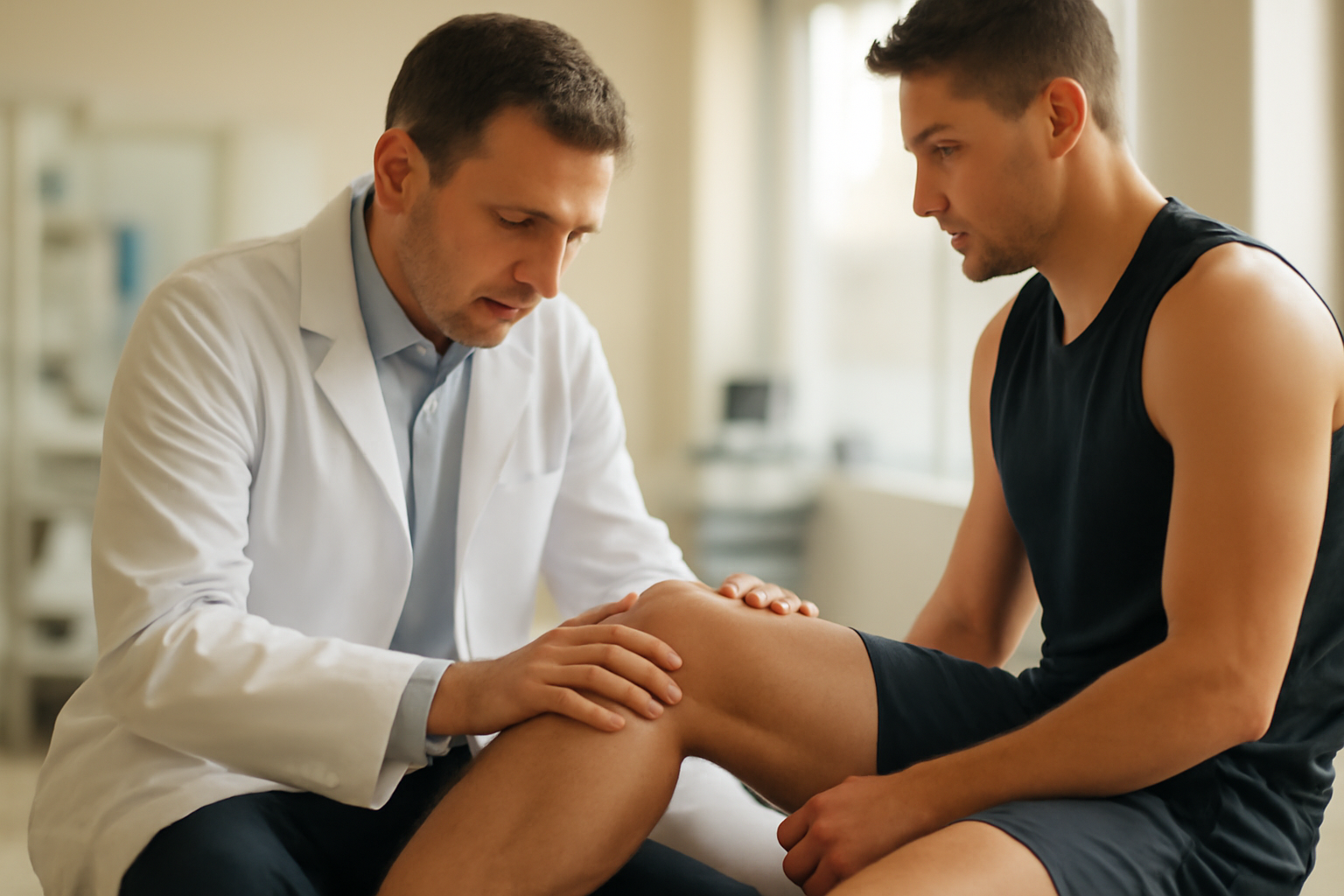

You pushed through a tough training session, felt that familiar ache settle into your knee or shoulder, and now you’re lying awake wondering whether to ice it, push through it, or finally call someone who actually knows what they’re talking about. Sound familiar? If you’ve been an athlete — recreational or competitive — for any length of time, joint pain has probably been an unwelcome training partner at some point. Knowing when to manage it yourself and when to seek out a joint pain specialist sports professionals actually trust can be the difference between a two-week setback and a two-year struggle.
Why Sports-Related Joint Pain Deserves Specialized Attention
Here’s something I wish more athletes understood early on: not all joint pain is created equal, and not all doctors approach it the same way. A general practitioner is wonderful for many things, but sports-related joint injuries often involve a very specific interplay of biomechanics, overuse patterns, inflammation, and tissue stress that benefits from a more targeted eye. When joint pain persists beyond a few days, changes how you move, or keeps returning after the same activity, that’s your body asking for a more informed conversation.
Sports medicine physicians, orthopedic specialists, and physiatrists (rehabilitation medicine doctors) are among the professionals most equipped to evaluate sports-related joint issues. Many work alongside physical therapists, athletic trainers, and pain management specialists to create a full picture of what’s happening in your body — not just where it hurts, but why it hurts and how to address the root cause rather than just the symptom.
How to Find the Right Joint Pain Specialist for Sports Recovery
Finding the right specialist doesn’t have to feel overwhelming. Here’s a practical breakdown of how to approach it, the same way I’d walk a friend through it.
Start With a Sports Medicine Physician
Sports medicine doctors are often the best first stop. They’re trained specifically to treat musculoskeletal injuries in active people and tend to understand that your goal isn’t just pain relief — it’s getting back to doing what you love. Many primary care offices can refer you, or you can search through organizations like the American College of Sports Medicine to find board-certified providers in your area.
Know When to See an Orthopedic Specialist
If imaging or an initial exam suggests structural damage — a torn ligament, cartilage wear, or joint instability — an orthopedic surgeon may enter the picture. That doesn’t automatically mean surgery. Many orthopedic specialists offer conservative management first, including injections, bracing, or physical therapy programs, and will only discuss surgical options when truly warranted.
Consider a Pain Management Specialist for Chronic Issues
For athletes dealing with persistent or recurring joint pain — the kind that’s been hanging around for months — a pain management specialist can offer additional tools. These may include nerve blocks, regenerative therapies, or medication management approaches that support longer-term recovery. Many pain management clinics specialize in active patients and understand that quality of life includes being able to move freely and train regularly.
Questions Worth Asking at Your Appointment
- What is likely causing my joint pain based on your assessment?
- What activities are safe for me to continue during recovery?
- Is physical therapy part of the recommended plan?
- What warning signs should bring me back sooner than my follow-up?
- Are there non-surgical options we should try first?
What Actually Helps Between Appointments: Products Worth Trying
While you’re working with a specialist or waiting for your appointment, there are several at-home tools that many athletes find genuinely useful for managing day-to-day joint discomfort. These aren’t replacements for professional care, but they may help keep you more comfortable and support your recovery in between sessions.
The Topical I Reach For When Rest Isn’t Enough (But You’re Not Ready for a Doctor Yet)
Between icing, compression, and waiting it out, there’s a gap where you need something that actually touches the joint without being a full anti-inflammatory pill or a specialist visit. A good penetrating cream can reduce that surface inflammation and give you enough relief to move through recovery without babying the injury—but it works best when you’re realistic about what it can and can’t do.
What works
- The formula penetrates past the skin barrier with glucosamine and chondroitin, which research shows can reach joint tissue when applied topically—not as effective as oral supplementation, but you feel the difference on inflamed knees or shoulders within a few applications.
- Most athletes report noticeable relief (not elimination) within 3–5 days of consistent use, especially for mild to moderate joint soreness from training or overuse—not acute injury, but that dull ache that won’t quit.
- It’s non-greasy, absorbs quickly, and doesn’t have the menthol-bomb intensity of some alternatives, so you can use it before workouts or under compression without that chemical feel getting in your way.
What doesn’t
- This won’t touch acute injuries, severe inflammation, or anything that actually needs ice, physical therapy, or a specialist’s hands-on assessment—it’s for maintenance and mild recovery, not damage control.
- You have to be consistent (daily, ideally twice daily) to notice anything real; one application before a tough workout won’t save you, and some people’s skin just doesn’t respond to topical supplements no matter how long they stick with it.
This is a bridge tool, not a fix—it buys you time and relief while you’re figuring out if rest, technique changes, or actually seeing someone are what you really need. Penetrex Daily Joint & Muscle Care Cream
About This Article

Written by Michael Torres. Michael Torres has had joint problems his whole life — hypermobile as a kid, chronic sprains and a dislocating shoulder through his twenties, an osteoarthritis diagnosis in his early fifties, and a right knee replacement since. He is not a doctor or a physical therapist and has no clinical training. He writes about what has helped him and what he has watched help the people around him, and says plainly when he has not tried something himself. More about this site.
Scope and limits. Michael has no medical or clinical training — he writes about living with his own joint pain, not about treating anyone else's. Nothing here is medical advice. Talk to a doctor before starting anything new, and get seen promptly for pain that is new, severe, worsening, or comes with swelling, fever, or numbness.
Verify this against a primary source
Specifics change, and your situation may differ from the one described here. These are the authorities worth checking directly:
- NIAMS — arthritis and musculoskeletal research from the NIH
- MedlinePlus — plain-language medical reference from the NIH
- Arthritis Foundation — condition guides and treatment overviews