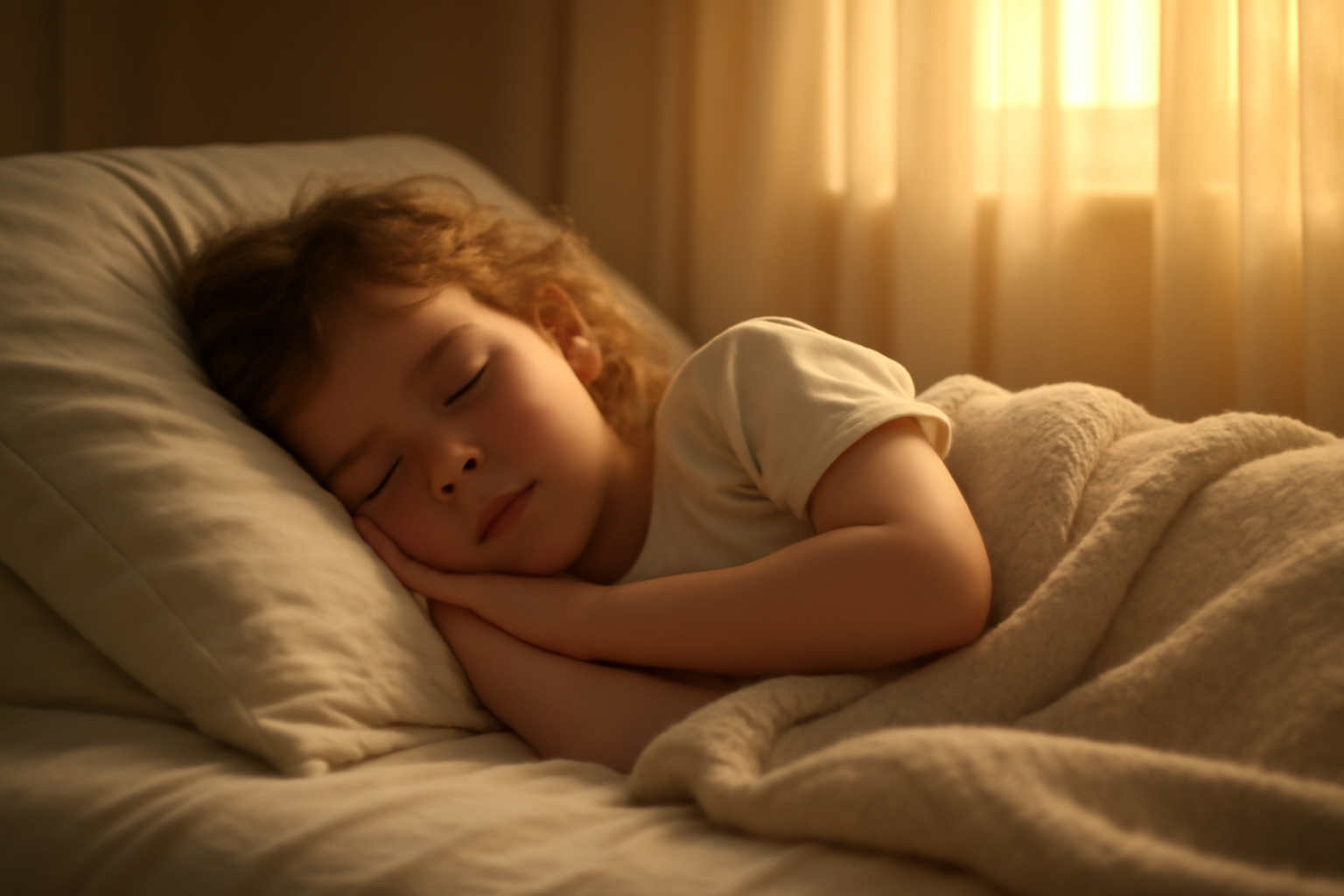

Picture this: your teenager drags themselves to the breakfast table after a rough night of sleep, complaining that their knees ache or their hips feel stiff. You chalk it up to growing pains — and maybe it is — but there’s actually a lot more going on beneath the surface. The connection between sleep and joint recovery in kids and teens is something I wish more parents knew about, because the quality of a child’s sleep can genuinely influence how their body repairs itself overnight. As someone who has worked closely with young athletes and active kids dealing with joint discomfort, I can tell you: sleep is not just rest. It’s active recovery.
Why Sleep Matters So Much for Young Joints
Here’s something that often surprises parents: children and teens are not just “smaller adults” when it comes to joint health. Their bodies are actively growing, their cartilage is still developing, and their musculoskeletal systems are under constant demand — from sports, from school backpacks, from growth spurts. Research suggests that during deep sleep stages, the body releases human growth hormone (HGH), which plays a significant role in tissue repair, muscle recovery, and even cartilage maintenance. When sleep is cut short or disrupted, that repair window shrinks too.
There’s also a pain-sleep cycle worth understanding. Studies exploring sleep, chronic pain, and stress responses in children — including work referenced by clinicians at Apex Medical Center — suggest that poor sleep can actually amplify how kids perceive pain. In other words, a child who isn’t sleeping well may experience their joint discomfort more intensely the next day, which can then make it harder to fall asleep the following night. It becomes a cycle that’s genuinely tough to break without addressing both pieces together.
What does that mean practically? It means that if your child is dealing with joint soreness after practice, or your teen wakes up stiff and achy, sleep quality deserves just as much attention as stretching, nutrition, or activity modification.
How Sleep and Joint Recovery Work Together in the Growing Body
Let me break this down in a way that’s actually useful. During the deeper stages of sleep — particularly slow-wave sleep — the body gets to work on inflammation reduction, cellular repair, and fluid redistribution in the joints. Synovial fluid, the natural lubricant in your joints, gets a chance to redistribute and nourish cartilage when the body is at rest and not bearing weight. This is one reason kids and teens often feel better after a full, quality night of sleep compared to a restless one.
For young athletes especially, the demands placed on joints during training accumulate. Without adequate sleep, micro-damage to tendons, ligaments, and cartilage may not recover as efficiently. Research suggests that adolescent athletes who consistently get eight to ten hours of sleep report fewer overuse injuries over time. That’s not a coincidence — it’s biology doing its job when given enough time to do it.
So what can you actually do to support better sleep and, by extension, better joint recovery in your child or teen? A lot, actually. And it starts with the basics.
Sleep Hygiene Tips That Support Joint Health
- Consistent sleep and wake times: The body’s internal clock thrives on routine. Irregular sleep schedules can reduce time spent in the deep, restorative stages where joint repair happens most actively.
- Screen-free wind-down time: Blue light from devices suppresses melatonin production and delays sleep onset. A 30–60 minute screen-free buffer before bed may help kids fall asleep faster and sleep more deeply.
- Cool, dark sleeping environment: Body temperature naturally drops during sleep, which supports deeper rest. A cooler room — around 65–68°F — may improve sleep quality.
- Gentle movement before bed: Light stretching or yoga can help release tension in joints and muscles, signaling the nervous system that it’s time to wind down.
- Limit caffeine: Many teens consume more caffeine than parents realize — energy drinks, sodas, even some teas. Caffeine can interfere with deep sleep even when consumed hours before bedtime.
Products Worth Trying: Sleep Support That May Help Young Bodies Recover
One area that often gets overlooked is sleep positioning and physical support during the night. How a child or teen is positioned while sleeping can put unnecessary strain on the neck, shoulders, hips, and knees — especially for side sleepers or those who toss and turn. The right pillow or body support can make a real difference in how rested and comfortable they feel come morning. Here are a few options worth considering.
The Cervical Pillow That Actually Supports Neck Recovery During Sleep
Neck and upper spine alignment during sleep directly affects how well a teenager’s joints—especially shoulders and neck—can repair themselves overnight. A pillow that maintains neutral cervical alignment reduces the strain that poor sleeping positions create, which is especially important for kids dealing with repetitive stress from sports, screens, or growth-related stiffness.
What works
- Proper cervical support reduces nighttime strain on the neck and shoulders, allowing the joint structures to actually rest instead of being held in a compromised position for 8+ hours.
- Kids and teens report fewer morning stiffness complaints and less shoulder tension within the first 1–2 weeks when switching from a flat or overstuffed pillow to one designed for cervical support.
- The contoured design prevents the common teenage habit of collapsing the pillow into a poor position, maintaining support even if sleep posture shifts during the night.
What doesn’t
- This won’t fix underlying postural issues during waking hours—if your teen is hunched over a desk or phone all day, a good pillow is only one piece of the puzzle.
- It takes a few nights to adjust to the feel; some kids resist the firmer support initially, so managing expectations about a short adaptation period helps.
A pillow is a foundation, not a fix—you’ll still need to address daytime habits and movement patterns, but it removes one major barrier to actual joint recovery at night. Pain Relief Cervical Pillow for Neck Support
About This Article

Written by Michael Torres. Michael Torres has had joint problems his whole life — hypermobile as a kid, chronic sprains and a dislocating shoulder through his twenties, an osteoarthritis diagnosis in his early fifties, and a right knee replacement since. He is not a doctor or a physical therapist and has no clinical training. He writes about what has helped him and what he has watched help the people around him, and says plainly when he has not tried something himself. More about this site.
Scope and limits. Michael has no medical or clinical training — he writes about living with his own joint pain, not about treating anyone else's. Nothing here is medical advice. Talk to a doctor before starting anything new, and get seen promptly for pain that is new, severe, worsening, or comes with swelling, fever, or numbness.
Verify this against a primary source
Specifics change, and your situation may differ from the one described here. These are the authorities worth checking directly:
- NIAMS — arthritis and musculoskeletal research from the NIH
- MedlinePlus — plain-language medical reference from the NIH
- Arthritis Foundation — condition guides and treatment overviews