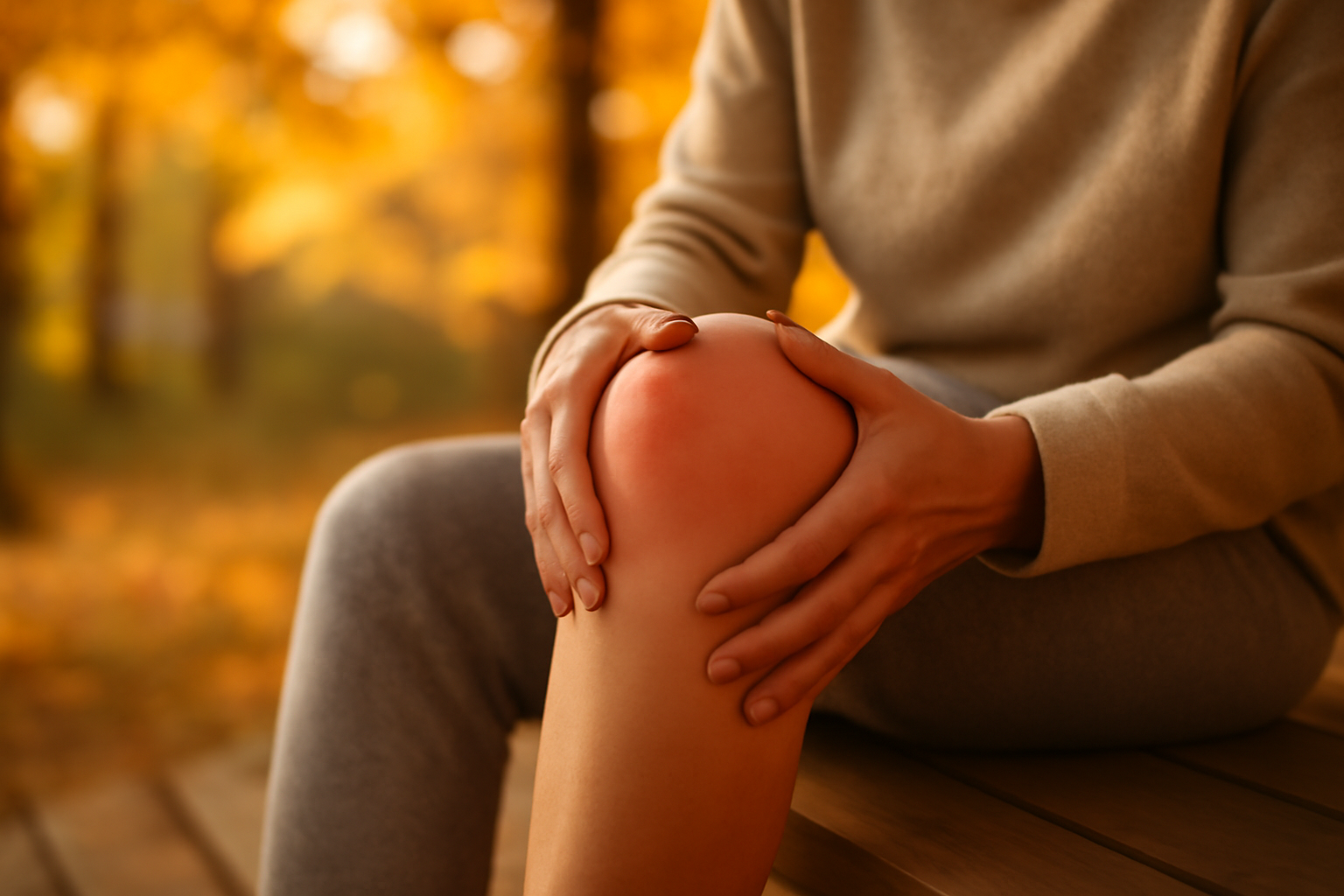

Every fall, I hear the same thing from people I work with: “My joints are on fire and I can’t figure out why.” They’ve been careful about their diet, staying active, managing stress — and yet, right around late August or early September, the aching gets noticeably worse. If that sounds familiar, there’s a good chance the culprit floating around outside your window is ragweed. The connection between ragweed arthritis joint pain is something that doesn’t get nearly enough attention, and I want to change that.
Why Ragweed Doesn’t Just Bother Your Nose
Most people think of ragweed as a sneezing and itchy-eyes problem. And yes, it absolutely is. But here’s what happens beneath the surface that nobody talks about at the pharmacy counter: when your immune system detects ragweed pollen, it launches an inflammatory response. Histamine floods your system. Cytokines — those little chemical messengers that signal your body to fight — start circulating. And if you already have arthritis or any kind of chronic joint inflammation, those same inflammatory pathways that are responding to pollen can also amplify the pain signals in your joints.
Think of it this way. Your immune system doesn’t operate in neat little compartments. When it’s already revved up fighting what it perceives as a threat — even a seasonal, airborne one — your whole body feels the effects. Research suggests that systemic inflammation triggered by allergic responses can worsen symptoms in people with rheumatoid arthritis, osteoarthritis, and other inflammatory joint conditions. You’re not imagining it. The flare-up is real.
The Ragweed Season Timeline and What It Means for Your Joints
Ragweed typically peaks between mid-August and the first hard frost, which in many parts of the country means weeks of elevated pollen counts. A single ragweed plant can release up to a billion grains of pollen in one season — and those particles travel. You don’t have to live near a field of ragweed to be affected. Wind carries it for hundreds of miles.
During high pollen days, many people with arthritis notice:
- Increased morning stiffness that lasts longer than usual
- Joint swelling that seems disproportionate to their activity level
- General fatigue and a foggy, heavy feeling throughout the day
- More sensitivity in joints that are usually manageable
- Disrupted sleep due to combined allergy symptoms and joint discomfort
The overlap between allergy season and joint flares is not a coincidence. It’s your body’s inflammatory burden at its seasonal peak. The good news? Once you recognize the pattern, you can actually do something about it.
Practical Strategies That May Help You Get Through Ragweed Season
I always tell people: you can’t control the pollen count, but you can control your body’s response to it. Here are the approaches that many people find genuinely helpful during ragweed season.
Reduce Your Exposure Where You Can
Check your local pollen count daily — apps like Weather.com or the National Allergy Bureau make this easy. On high-count days, try to keep windows closed in the morning when pollen is heaviest, shower before bed to wash pollen off your skin and hair, and change clothes after spending time outdoors. These small habits add up and may reduce the total inflammatory load your body is managing.
Double Down on an Anti-Inflammatory Diet
During ragweed season, this is not the time to slack on your eating habits. Research consistently suggests that a diet rich in omega-3 fatty acids, colorful fruits and vegetables, and foods high in antioxidants may help keep systemic inflammation lower. Conversely, sugar, processed foods, and alcohol tend to add fuel to the inflammatory fire. If you’re already eating well for your joints, keep it up — it may blunt some of the seasonal spike.
Keep Moving — Gently
I know it feels counterintuitive to exercise when your joints are aching, but gentle movement is one of the most effective natural anti-inflammatory tools we have. Low-impact activities like swimming, walking indoors, or yoga keep synovial fluid circulating and may reduce stiffness. If outdoor exercise is your norm, consider shifting it indoors during peak pollen season to avoid the double hit of exertion plus allergen exposure.
Products Worth Trying for Ragweed Arthritis Joint Pain Relief
One area where I see a lot of people find unexpected relief is with quercetin-based supplements. Quercetin is a naturally occurring flavonoid found in foods like onions and apples, and research suggests it may help stabilize mast cells — the cells that release histamine during allergic reactions. Less histamine, potentially less systemic inflammation, potentially less joint aggravation. It’s not a cure, but many people find meaningful support with consistent use during allergy season.
The Quercetin + Bromelain Combination That Actually Tackles Ragweed-Triggered Flare-Ups
Quercetin is a natural antihistamine and anti-inflammatory that works on the same immune overreaction driving ragweed allergies—and by extension, the inflammatory cascade hitting your joints. Adding bromelain (a pineapple enzyme) amplifies that effect, which is why this combination shows up in the research on seasonal joint pain more consistently than either ingredient alone.
What works
- Quercetin stabilizes mast cells and reduces histamine release—the mechanism behind both allergic responses and inflammatory joint flare-ups during ragweed season. Studies show measurable effects at 500-1000mg daily, which is why the 1350mg dose in ForestLeaf’s formulation hits that sweet spot without overshooting.
- Bromelain enhances quercetin absorption and adds its own anti-inflammatory kick; most people notice the joint-specific improvement (less morning stiffness, easier movement) within 5-7 days of consistent use during peak ragweed season, not the vague “feel better” claims from other formulations.
- ForestLeaf’s formula is straightforward and free of unnecessary fillers—you’re paying for the actives, not marketing, which means better consistency batch-to-batch compared to brands that prioritize shelf appeal over potency.
What doesn’t
- This won’t work if you’re not actually reducing your ragweed exposure or managing your allergies separately—the supplement addresses the inflammatory response, not the root cause of the allergy itself, so you still need to be strategic about windows open, air filters, and outdoor timing.
- If you’re on blood thinners or taking anticoagulants, bromelain can potentiate those effects, so you need to check with your doctor first—this isn’t a “take it and see” situation if you’re on medication.
Quercetin works best when you start it 2-3 weeks before ragweed season peaks, not as a emergency fix once you’re already flaring, so plan ahead. ForestLeaf Quercetin with Bromelain 1350mg has been reliable for me and the people I work with through three seasons now.
About This Article

Written by Michael Torres. Michael Torres has had joint problems his whole life — hypermobile as a kid, chronic sprains and a dislocating shoulder through his twenties, an osteoarthritis diagnosis in his early fifties, and a right knee replacement since. He is not a doctor or a physical therapist and has no clinical training. He writes about what has helped him and what he has watched help the people around him, and says plainly when he has not tried something himself. More about this site.
Scope and limits. Michael has no medical or clinical training — he writes about living with his own joint pain, not about treating anyone else's. Nothing here is medical advice. Talk to a doctor before starting anything new, and get seen promptly for pain that is new, severe, worsening, or comes with swelling, fever, or numbness.
Verify this against a primary source
Specifics change, and your situation may differ from the one described here. These are the authorities worth checking directly:
- NIAMS — arthritis and musculoskeletal research from the NIH
- MedlinePlus — plain-language medical reference from the NIH
- Arthritis Foundation — condition guides and treatment overviews