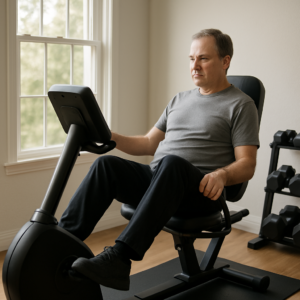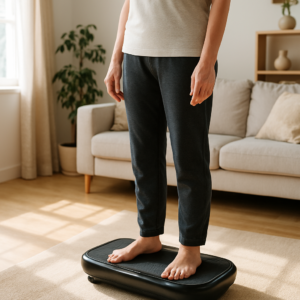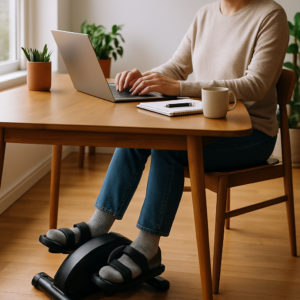


You wake up in the morning, swing your legs over the side of the bed, and feel that familiar ache radiating through your knees or hips before your feet even touch the floor. You push through it — because that’s what you do — but somewhere in the back of your mind, a quiet frustration builds. If that sounds like your mornings, you’re far from alone. What a lot of people don’t realize is that addressing joint pain isn’t just about ice packs and ibuprofen. A well-rounded approach to therapy for joint pain recovery can include physical movement, hands-on bodywork, mental health support, and even simple at-home tools that help you feel more in control of your body again.
Why Joint Pain Is Never Just a Physical Problem
Here’s something I wish more people heard early on: chronic joint pain has a way of getting inside your head. Research consistently suggests a strong bidirectional relationship between persistent pain and mental health challenges like anxiety and depression. When your joints hurt day after day, it becomes harder to do the things you love — exercise, gardening, playing with your kids or grandkids — and that loss can quietly erode your mood and sense of identity. You start moving less. You sleep worse. And when you sleep worse, your body has less capacity to recover. It becomes a cycle that’s tough to break with physical treatment alone.
That’s why more integrative care approaches now treat joint health and mental wellness together, not as separate issues. Talk therapy, cognitive behavioral therapy (CBT), and mindfulness-based stress reduction have all shown promise in helping people manage pain perception and improve daily function. None of this is to say that your pain isn’t real or that it’s “in your head” — it absolutely is real. But your brain plays a powerful role in how pain signals are processed, and working with that system rather than against it may help you recover faster and feel better overall.
Types of Therapy for Joint Pain Recovery Worth Knowing About
Physical Therapy
Physical therapy is often the first recommendation after a joint injury or diagnosis like osteoarthritis or bursitis — and for good reason. A qualified physical therapist can help identify movement compensations you may not even know you’re making, strengthen the muscles that support vulnerable joints, and guide you through range-of-motion exercises that keep stiffness from getting worse. The goal isn’t to push through pain — it’s to find the movement your body can do and build safely from there.
Massage and Myofascial Therapy
Massage therapy and myofascial release work on the soft tissues surrounding joints — the muscles, tendons, and fascial layers that often become tight, knotted, and restrictive when a joint is inflamed or overcompensating. Many people find regular soft tissue work helps reduce muscle tension that contributes to joint stress, and it may also support better circulation and mobility over time. You don’t always need a professional appointment to get some of these benefits — more on that in a moment.
Mental Health Counseling
Living with chronic joint pain can take a serious emotional toll that goes underacknowledged. Counseling — whether individual therapy, support groups, or CBT — may help you develop coping strategies, reframe pain-related thoughts, and address the grief that sometimes comes with losing physical capacity. Research suggests that patients who address the psychological components of chronic pain alongside the physical ones often report better quality of life outcomes. It’s not a weakness to seek that kind of support — it’s actually a smart part of the recovery toolkit.
Acupressure and Sensory Therapy
Acupressure — applying firm pressure to specific points on the body — has a long history of use for pain relief and relaxation. While the research is still evolving, many people find that targeted pressure work helps ease muscle tension and promotes a sense of calm that makes pain feel more manageable. This is an area where some accessible at-home tools can make a real difference in your daily routine.
Products Worth Trying at Home
I’m a big believer in empowering people to do something supportive for themselves between professional appointments. These are tools I genuinely think are worth having in your recovery kit — they’re affordable, easy to use, and address both the physical and sensory sides of joint pain management.
Myofascial Release for Joint Pain: Why Lacrosse Balls Beat Your Thumbs
If you’re dealing with joint stiffness that feels more like muscle tension wrapped around the joint itself, myofascial release is where therapy gets practical. A lacrosse ball gives you precision pressure on tight fascia and trigger points without requiring a therapist appointment three times a week.
What works
- Research supports that myofascial release reduces muscle tightness and improves range of motion, especially when combined with active stretching — and a lacrosse ball lets you apply consistent pressure to spots your hands can’t reach effectively.
- Most people notice improved mobility within 3–5 days of consistent use (2–3 minutes daily on problem areas), with less joint pain when the surrounding muscles aren’t pulling on the joint.
- A textured lacrosse ball is cheap, portable, and works anywhere — no equipment setup, no electricity, no subscription required, which means you’re actually more likely to use it consistently.
What doesn’t
- If your joint pain comes from instability, cartilage damage, or inflammation rather than muscle tightness, a lacrosse ball isn’t going to fix the underlying problem — it’s a symptom manager, not a cure.
- It can feel uncomfortable (sometimes intensely so) when you first use it on tight spots, and some people find the sensation too intense or triggering if they have pain sensitivity issues.
Myofascial release works best when you’re consistent and patient — results aren’t immediate, and they depend on whether muscle tightness is actually part of your problem. If you want to try this approach, grab some Massage Lacrosse Balls for Myofascial Release and commit to 10 days of daily use before deciding if it’s worth your time.
About This Article

Written by Michael Torres. Michael Torres has had joint problems his whole life — hypermobile as a kid, chronic sprains and a dislocating shoulder through his twenties, an osteoarthritis diagnosis in his early fifties, and a right knee replacement since. He is not a doctor or a physical therapist and has no clinical training. He writes about what has helped him and what he has watched help the people around him, and says plainly when he has not tried something himself. More about this site.
Scope and limits. Michael has no medical or clinical training — he writes about living with his own joint pain, not about treating anyone else's. Nothing here is medical advice. Talk to a doctor before starting anything new, and get seen promptly for pain that is new, severe, worsening, or comes with swelling, fever, or numbness.
Verify this against a primary source
Specifics change, and your situation may differ from the one described here. These are the authorities worth checking directly:
- NIAMS — arthritis and musculoskeletal research from the NIH
- MedlinePlus — plain-language medical reference from the NIH
- Arthritis Foundation — condition guides and treatment overviews