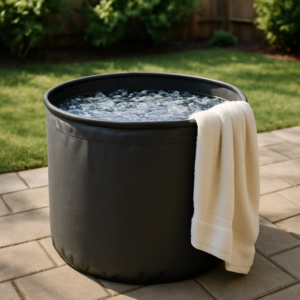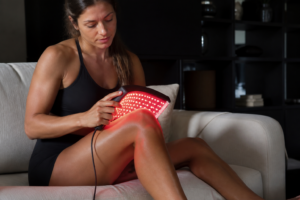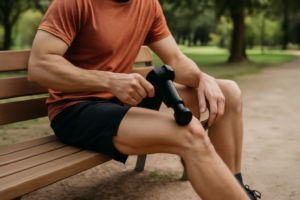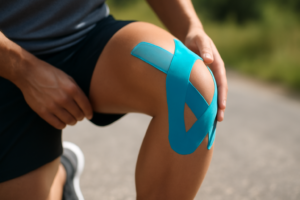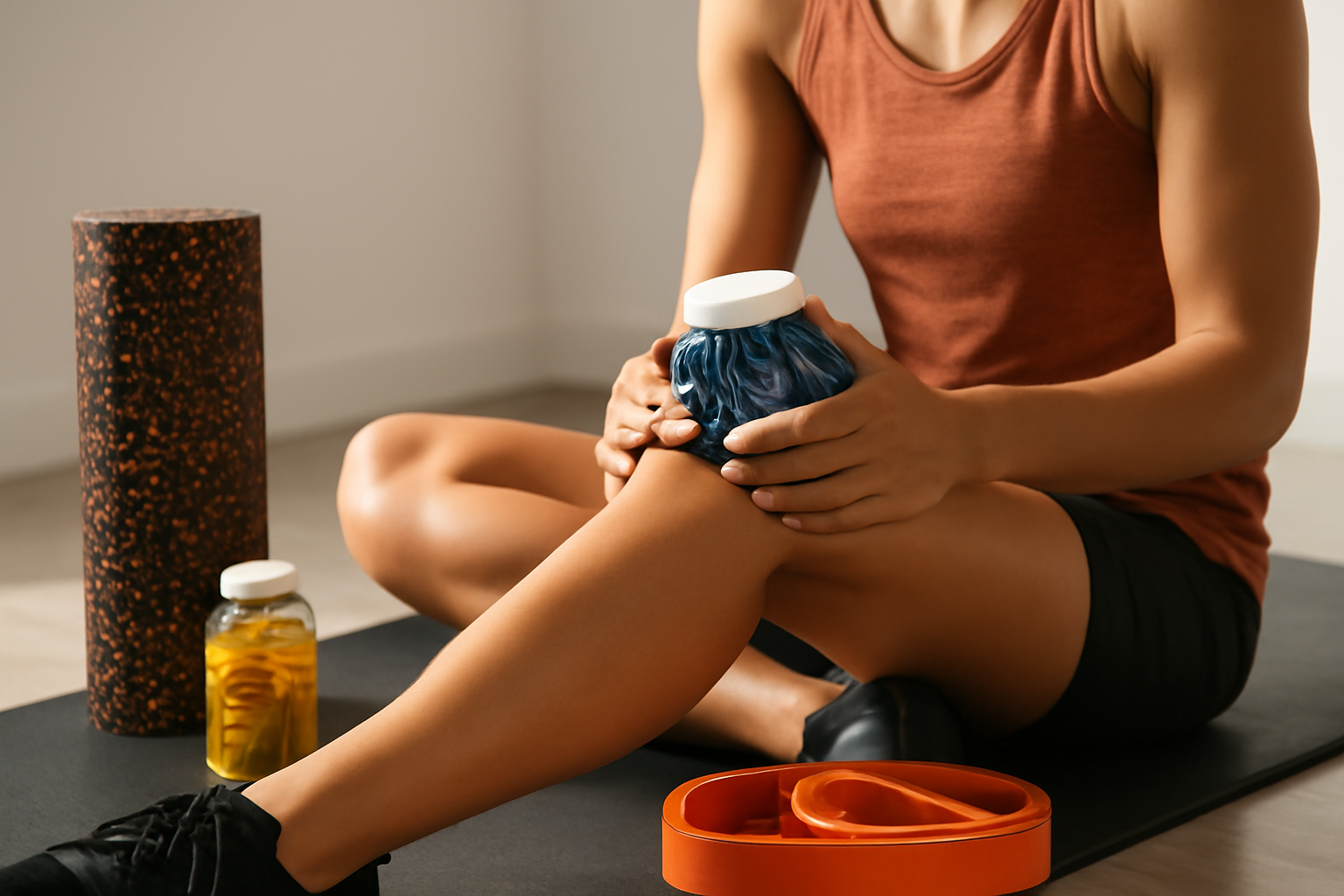

Picture this: you’ve just had knee surgery, or maybe you pushed too hard during last weekend’s half marathon, and now you’re sitting in a doctor’s office being handed a prescription for opioids. It feels like the obvious next step — after all, the pain is real, and it’s stopping you from sleeping, moving, and living your life. I’ve been handed that prescription myself, and I know that moment feels like relief. But here’s what I wish more people knew upfront: there are genuinely effective options for natural joint pain relief that can support your recovery without the very real risks that come with opioid dependency. And no, I’m not talking about just toughing it out.
Why Opioids Aren’t the Only Answer — or Always the Best One
Opioids work by binding to receptors in your brain and spinal cord to block pain signals. And yes, they can be effective for short-term, acute pain management. But here’s the part that doesn’t always make it into the discharge paperwork: your brain adapts quickly. Research suggests that even just a few days of opioid use can begin to rewire your brain’s reward pathways, making it harder to stop and potentially making you more sensitive to pain over time — a phenomenon sometimes called opioid-induced hyperalgesia. The risk of physical dependence is real, and it doesn’t discriminate based on age, fitness level, or how responsible you think you are.
That doesn’t mean you should white-knuckle your way through legitimate joint pain. It means that for many people recovering from sports injuries, joint inflammation, or post-surgical soreness, a layered approach using non-opioid methods can provide meaningful relief while keeping recovery on track. Think of it as building a toolkit instead of relying on a single heavy-duty tool.
Natural Joint Pain Relief: What the Science (and Experience) Actually Supports
Let me walk you through the approaches that consistently show up in both clinical settings and the lived experiences of athletes and everyday people recovering from joint issues.
Topical Relief for Post-Surgery and Acute Joint Pain Without Systemic Effects
When you’re dealing with localized joint pain in the first few weeks after surgery or injury, a topical cream lets you target the exact area without waiting for oral supplements to build up in your system. This is especially useful during that critical window when you need pain relief to actually move and start rehab—which is when healing accelerates.
What works
- Topical NSAIDs and botanical extracts (like those in this cream) absorb directly into the joint without hitting your liver or stomach, which matters if you’re already managing recovery medication interactions.
- Most users report noticeable relief within 15–30 minutes of application, making it practical for pre-physical therapy or when you need to sleep—a real advantage over waiting 4–6 weeks for oral supplements to work.
- This formulation is designed to absorb without the strong heat sensation of capsaicin creams, so you can use it under compression wraps or braces without discomfort.
What doesn’t
- Topical relief is exactly that—surface-level pain management, not a fix for the underlying inflammation or structural damage. It works best alongside physical therapy and movement, not instead of them.
- Effectiveness varies significantly based on skin thickness and how deep the joint inflammation actually is; knee or shoulder pain may respond better than deep hip or spine issues.
Think of this as a bridge tool—it buys you the pain-free window you need to actually do your rehab work, but it’s not a substitute for addressing what caused the pain in the first place. Hempvana Relief Cream
About This Article

Written by Michael Torres. Michael Torres has had joint problems his whole life — hypermobile as a kid, chronic sprains and a dislocating shoulder through his twenties, an osteoarthritis diagnosis in his early fifties, and a right knee replacement since. He is not a doctor or a physical therapist and has no clinical training. He writes about what has helped him and what he has watched help the people around him, and says plainly when he has not tried something himself. More about this site.
Scope and limits. Michael has no medical or clinical training — he writes about living with his own joint pain, not about treating anyone else's. Nothing here is medical advice. Talk to a doctor before starting anything new, and get seen promptly for pain that is new, severe, worsening, or comes with swelling, fever, or numbness.
Verify this against a primary source
Specifics change, and your situation may differ from the one described here. These are the authorities worth checking directly:
- NIAMS — arthritis and musculoskeletal research from the NIH
- MedlinePlus — plain-language medical reference from the NIH
- Arthritis Foundation — condition guides and treatment overviews