

You pushed hard at practice, crossed the finish line, or finally hit that personal record — and now your knees are screaming, your shoulder feels like it’s been through a blender, and you’re wondering if just lying on the floor counts as a recovery plan. If that sounds familiar, you’re not alone. I’ve worked with athletes of every level, and one of the most common things I hear is, “I know I should do something about this, but I have no idea where to start.” That’s usually right around the time someone starts looking into sports recovery therapy — and honestly, taking that first step is one of the smartest things you can do for your long-term joint health.
What Is Sports Recovery Therapy, Really?
People often picture sports recovery therapy as something reserved for professional athletes with personal trainers and ice baths the size of hot tubs. But the truth is, it’s a broad, highly personalized approach to helping your body heal after physical stress — whether that’s from marathon training, weekend soccer leagues, or even an intense gym session that got away from you. At its core, sports recovery therapy combines assessment, hands-on treatment, movement rehabilitation, and pain management strategies tailored specifically to you.
Depending on your provider — whether that’s a physical therapist, sports medicine doctor, or certified athletic trainer — your sessions might incorporate soft tissue work, therapeutic exercise, electrical stimulation, joint mobilization, or guided stretching. No two plans look exactly alike, and that’s actually the point. Your hip flexor strain is different from your running buddy’s IT band issue, even if you both limped off the same track.
What to Expect at Your First Sports Recovery Therapy Visit
The Initial Assessment
Your first visit is mostly about information gathering — and that’s a good thing. Your therapist or provider will ask detailed questions about your activity level, injury history, current symptoms, and goals. Be honest here, even if it feels embarrassing to admit you’ve been running through pain for three months. The more context they have, the better your plan will be.
Expect a physical evaluation that may include range-of-motion testing, strength assessments, posture analysis, and gentle palpation of the affected areas. They’re looking for patterns — how your body moves, where it compensates, and what structures might be stressed or inflamed. It’s thorough, but it’s not painful. Think of it as a roadmap being drawn before your recovery road trip begins.
Your Treatment Plan
After the assessment, your provider will walk you through a proposed plan. Many people find it helpful to ask questions at this stage — things like how many sessions are typically recommended, what progress might look like at two weeks versus six weeks, and what you can do at home between appointments. A good provider will welcome those questions and give you realistic, honest answers rather than vague promises.
Research suggests that consistent home care between therapy sessions plays a significant role in how quickly people recover. That means your therapist may send you home with exercises, mobility drills, or recommendations for at-home pain relief tools — which brings me to something I want to talk about directly.
Products Worth Trying Between Sessions
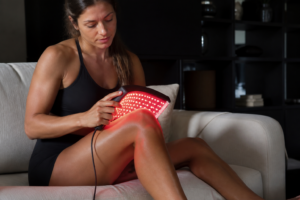
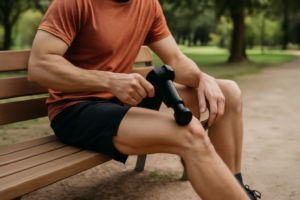
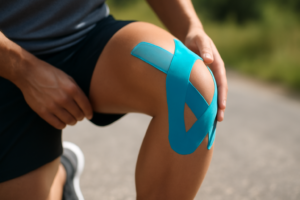
Between your therapy appointments, managing discomfort and supporting circulation and muscle recovery can make a real difference. Here are a few options many people find helpful — I’ve seen clients use all of these with good results as part of a broader recovery plan.
Managing Post-Workout Joint Pain Without Waiting Days for Relief
After a hard session, topical creams are the first line most athletes reach for — but they’re not all equal. A TENS unit like the TENS 7000 bridges the gap between immediate relief and actual recovery by using electrical stimulation to interrupt pain signals, which means you can start moving again without masking the problem with heat rubs alone.
What works
- Clinical research supports transcutaneous electrical nerve stimulation (TENS) for acute muscle soreness and joint discomfort — it’s one of the few non-drug options with consistent evidence behind it.
- Most users report noticeable pain reduction within 15–20 minutes of use, and because it’s reusable, you’re not buying topicals every week or relying on pain medication to stay functional.
- The TENS 7000 specifically has preset programs designed for different pain types (acute vs. chronic, muscle vs. joint), so you’re not guessing at settings — the device does the heavy lifting.
What doesn’t
- TENS is pain management, not healing — it feels great in the moment, but it doesn’t address the underlying inflammation or tissue damage, so you still need to rest and actually recover.
- Not everyone responds the same way; some athletes feel immediate relief while others notice nothing, and there’s a learning curve to electrode placement and program selection that takes trial and error.
This is a tool to help you move and sleep better while you’re actually recovering — not a replacement for addressing why you’re in pain in the first place.
About This Article

Written by Michael Torres. Michael Torres has had joint problems his whole life — hypermobile as a kid, chronic sprains and a dislocating shoulder through his twenties, an osteoarthritis diagnosis in his early fifties, and a right knee replacement since. He is not a doctor or a physical therapist and has no clinical training. He writes about what has helped him and what he has watched help the people around him, and says plainly when he has not tried something himself. More about this site.
Scope and limits. Michael has no medical or clinical training — he writes about living with his own joint pain, not about treating anyone else's. Nothing here is medical advice. Talk to a doctor before starting anything new, and get seen promptly for pain that is new, severe, worsening, or comes with swelling, fever, or numbness.
Verify this against a primary source
Specifics change, and your situation may differ from the one described here. These are the authorities worth checking directly:
- NIAMS — arthritis and musculoskeletal research from the NIH
- MedlinePlus — plain-language medical reference from the NIH
- Arthritis Foundation — condition guides and treatment overviews