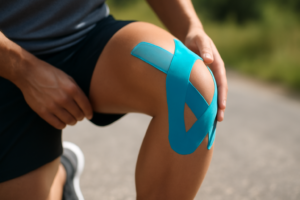

You wake up the morning after a long run — or maybe just a full day on your feet — and your knees feel like they’ve been stuffed with gravel. You’ve iced, stretched, and taken ibuprofen more times than you’d like to admit. Sound familiar? If you’ve been searching for something different, something that doesn’t involve another pill or another doctor’s office copay, you’ve probably stumbled across TENS therapy for joint pain. And honestly? It’s worth a much closer look than most people give it.
I want to walk you through everything I’ve learned about TENS therapy — what it actually is, how it works for achy joints, how to use it safely at home, and which devices are genuinely worth your money. Think of this as the conversation you’d have with a physical therapist friend who’s going to give you the real information, not just a pamphlet and a handshake.
What Is TENS Therapy and How Does It Work for Joint Pain?
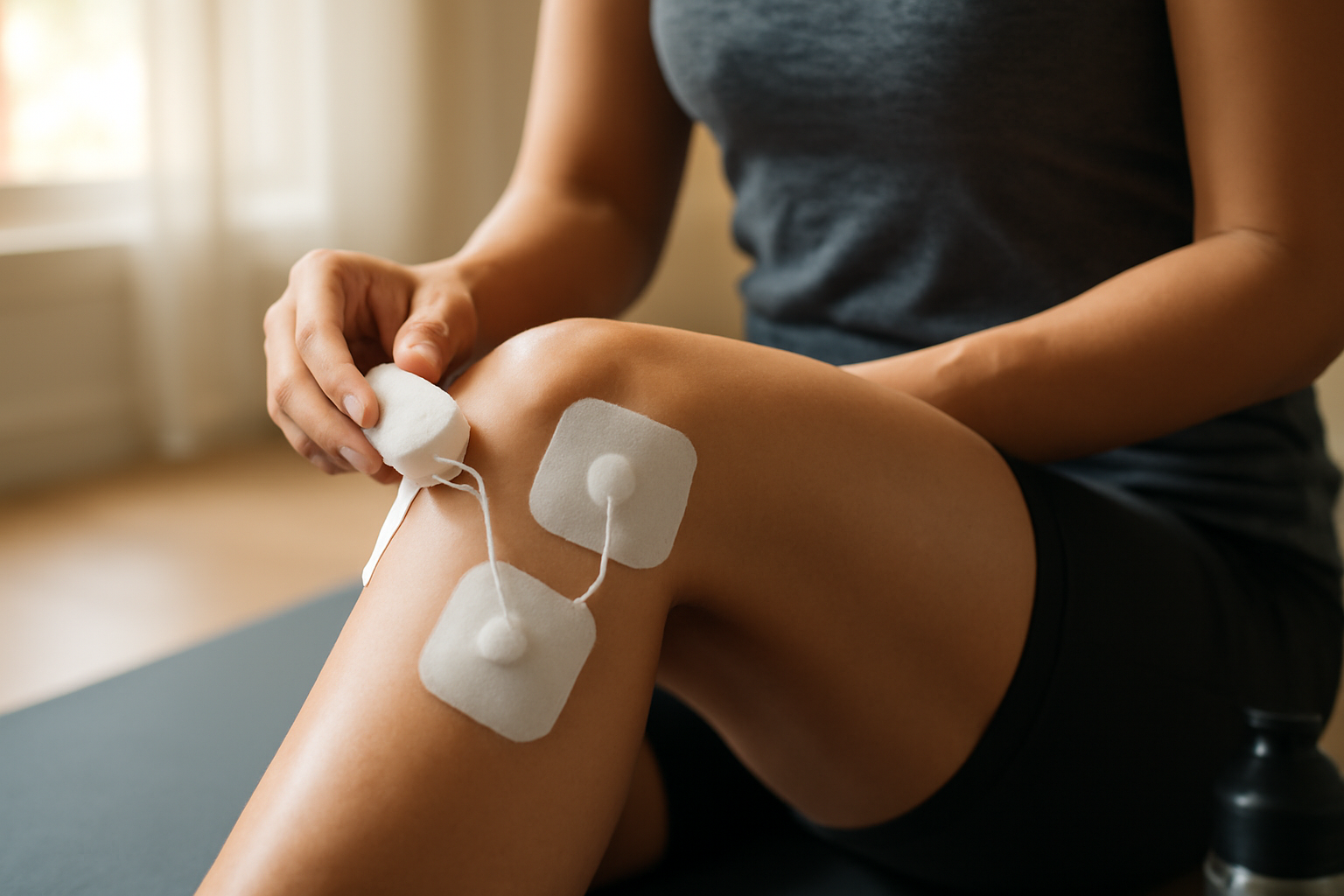
TENS stands for Transcutaneous Electrical Nerve Stimulation. In plain English, it’s a small device that sends mild electrical pulses through adhesive electrode pads placed on your skin. Those pulses travel along your nerve pathways and — here’s where it gets interesting — may interfere with pain signals before they reach your brain.
There are two leading theories for why TENS therapy may help with joint pain. The first is called the “gate control theory,” which suggests that electrical stimulation can essentially close the “gate” on pain signals traveling up the spinal cord. The second theory is that TENS may encourage your body to produce endorphins — your natural, built-in pain relievers. Research suggests both mechanisms may play a role, and many people living with knee, shoulder, hip, and lower back joint discomfort find meaningful relief with regular use.
It’s worth being clear: TENS therapy is not a cure, and it doesn’t repair damaged cartilage or heal underlying joint conditions. What it may do is significantly reduce the pain experience — which, if you’ve been struggling to sleep or stay active because of joint discomfort, is genuinely life-changing.
TENS Therapy for Joint Pain: A Practical How-To Guide
Getting started is simpler than most people expect. Here’s a straightforward breakdown of how to use a TENS unit safely and effectively for joint pain relief.
Step 1: Place the Electrode Pads Correctly
Pad placement matters more than most beginners realize. For joint pain, you generally want to place the pads on either side of the painful area — not directly over a joint or bone. For knee pain, for example, place pads on the muscles just above and below the kneecap. Always place pads on clean, dry, unbroken skin.
Step 2: Start Low and Go Slow
Begin with the lowest intensity setting and gradually increase until you feel a noticeable but comfortable tingling sensation. It should never feel sharp or painful. Most people find their sweet spot somewhere in the low-to-mid range of their device’s settings.
Step 3: Session Length and Frequency
A typical session runs 20–30 minutes. Many people use their TENS unit once or twice daily during flare-ups. Avoid using TENS therapy continuously for hours at a time — your nerves can adapt and the effectiveness may diminish. Give yourself breaks between sessions.
Important Safety Notes
- Do not use TENS therapy if you have a pacemaker or implanted electrical device
- Avoid placing pads over the front of the neck, across the chest, or on broken skin
- Do not use during pregnancy without explicit medical guidance
- Always consult your doctor or physical therapist before starting TENS if you have a diagnosed medical condition
Products Worth Trying: TENS Units and Accessories That Deliver
I’ve done the research so you don’t have to wade through hundreds of confusing options. Here are the devices and accessories I’d genuinely recommend to a friend.
The TENS Unit That Actually Stays in Your Routine
If you’re going to commit to TENS therapy, you need a device that’s straightforward enough to use consistently and reliable enough that you’ll actually grab it instead of reaching for ibuprofen. The TENS 7000 is the device I kept coming back to after trying several others — it does one job well and doesn’t pretend to be smarter than it is.
What works
- Simple, tactile controls mean you’re not fumbling with a touchscreen when your knee is throbbing — you can adjust intensity and mode with physical buttons, which translates to actual daily use.
- The pulse patterns cover both pain relief (TENS mode) and muscle stimulation (EMS mode), so you can experiment with what actually reduces inflammation versus just masking discomfort for your specific joint.
- Battery life is genuinely long enough that you’re not charging it constantly, and replacement electrode pads are cheap and widely available — this matters when you’re building it into a recovery routine.
What doesn’t
- TENS isn’t an alternative to addressing why your joint hurts in the first place — if it’s swelling because of poor biomechanics or lack of strength, this masks the problem rather than solving it.
- Results aren’t immediate and vary widely; some people feel relief in minutes, others need 2–3 weeks of consistent use before noticing anything meaningful, and some people simply don’t respond to electrical stimulation at all.
Think of this as a tool that buys you time and comfort while you’re doing the harder work — rehab, strength training, or figuring out what’s actually driving the pain — not a standalone fix. TENS 7000 Digital TENS Unit
About This Article

Written by Michael Torres. Michael Torres has had joint problems his whole life — hypermobile as a kid, chronic sprains and a dislocating shoulder through his twenties, an osteoarthritis diagnosis in his early fifties, and a right knee replacement since. He is not a doctor or a physical therapist and has no clinical training. He writes about what has helped him and what he has watched help the people around him, and says plainly when he has not tried something himself. More about this site.
Scope and limits. Michael has no medical or clinical training — he writes about living with his own joint pain, not about treating anyone else's. Nothing here is medical advice. Talk to a doctor before starting anything new, and get seen promptly for pain that is new, severe, worsening, or comes with swelling, fever, or numbness.
Verify this against a primary source
Specifics change, and your situation may differ from the one described here. These are the authorities worth checking directly:
- NIAMS — arthritis and musculoskeletal research from the NIH
- MedlinePlus — plain-language medical reference from the NIH
- Arthritis Foundation — condition guides and treatment overviews