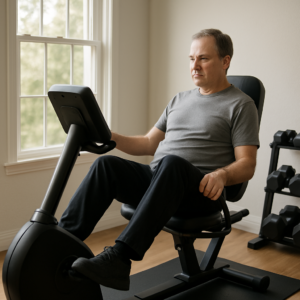

Picture this: it’s 2 p.m. on a Tuesday, you’ve already canceled plans with a friend because your knees ached too much to get out of the house, and now you’re sitting on the couch staring at the wall feeling like a completely different version of yourself. Sound familiar? If you’ve been living with chronic joint pain, you already know it’s about so much more than physical discomfort. The connection between joint pain and depression is real, well-documented, and honestly — not talked about nearly enough. As someone who works closely with people navigating chronic pain every day, I want to help you recognize when your joints might be doing more than hurting your body. They may be quietly affecting your mind, too.
Why Joint Pain and Depression Often Go Hand in Hand
Before we dive into the signs, it helps to understand why chronic pain and mental health are so tightly linked. When your body is in persistent pain, your nervous system stays in a heightened state of stress. Inflammation — the same process driving joint pain in conditions like arthritis, bursitis, or general wear and tear — also plays a role in mood regulation. Research suggests that chronic inflammation may interfere with the brain’s production of serotonin and dopamine, the neurotransmitters that help us feel motivated, connected, and okay. Layer on top of that the loss of mobility, independence, sleep disruption, and social withdrawal that joint pain often causes, and you have a perfect storm for low mood and anxiety. This isn’t weakness. It’s biology.
5 Signs Your Joint Pain May Be Taking a Toll on Your Mental Health
1. You’ve Stopped Doing Things You Used to Love
One of the earliest and most telling signs is a quiet withdrawal from activities that used to bring you joy. Maybe you were a weekend hiker, a casual gardener, or someone who loved a morning walk with the dog. When joint pain made those things harder, you stopped — and somewhere along the way, you stopped trying to replace them with anything else. This kind of behavioral withdrawal is one of the hallmark early signs of depression. If your world has been slowly shrinking because of pain, that’s worth paying attention to.
2. Your Sleep Is a Disaster
Joint pain and poor sleep feed each other in a vicious cycle. Pain keeps you awake or wakes you up, and chronic sleep deprivation lowers your pain threshold and drags your mood down with it. If you find yourself exhausted but unable to sleep — or sleeping too much as a way to escape — your mental health may already be under significant strain. Many people find that addressing stress and anxiety alongside pain management makes a meaningful difference in sleep quality.
3. You Feel Irritable, Hopeless, or Emotionally Flat
Depression doesn’t always look like crying. Sometimes it looks like snapping at people you love for no good reason, feeling a persistent sense that things won’t get better, or simply feeling nothing much at all. Emotional numbness and irritability are incredibly common in people dealing with long-term pain, and they’re frequently overlooked because we tend to focus on the physical symptoms. If your emotional baseline has shifted — if you feel like a different, more exhausted version of yourself — that’s a sign worth taking seriously.
4. You’ve Become More Isolated
Chronic pain makes social situations complicated. You never know how you’ll feel on any given day, so committing to plans feels risky. Canceling becomes a habit, friends stop asking after a while, and before you know it, your social circle has quietly evaporated. Social isolation is both a symptom of depression and a driver of it. If you’ve noticed that you’re spending more and more time alone — not because you want to, but because pain has made the alternative feel too hard — this is a pattern worth addressing directly.
5. You Feel Anxious About the Future
There’s a particular kind of anxiety that comes with living in a body that hurts: a low-grade, persistent worry about whether things will get worse, whether you’ll lose more function, whether this is just your life now. Health anxiety can spiral quickly when you’re already dealing with real physical challenges. If you find yourself catastrophizing about your joints or feeling a constant undercurrent of dread, that’s a signal your nervous system needs as much attention as your knees or hips do.
What Actually Helps: Building a Recovery Routine That Supports Both Body and Mind
The good news is that many of the strategies that help with joint pain — gentle movement, reduced inflammation, better sleep, stress management — also directly support mental health. Here’s where I’d focus your energy.
Prioritize Gentle, Consistent Movement
Low-impact movement like water aerobics, gentle yoga, or short daily walks may help reduce joint stiffness while also triggering the release of endorphins — your body’s natural mood lifters. Even ten minutes counts. The goal isn’t performance; it’s consistency. Start smaller than you think you need to and build from there.
Support Your Stress Response with Adaptogens
Chronic stress keeps cortisol elevated, which can worsen inflammation and deepen the pain-mood cycle. Many people find that adaptogenic herbs like ashwagandha and calming compounds like GABA and L-Theanine help take the edge off daily stress. A few options worth considering:
- OLLY Ultra Strength Goodbye Stress Softgels — These combine GABA, ashwagandha, L-Theanine, and lemon balm in a convenient softgel. Many people find this combination helpful for managing the kind of persistent, low-grade tension that chronic pain brings on.
- Nature’s Bounty Stress Relief with Ashwagandha KSM-66 — A gluten-free, vegetarian tablet featuring KSM-66, a well-studied form of ashwagandha. Research suggests ashwagandha may support the body’s ability to manage occasional stress, which may be a meaningful piece of the pain-mood puzzle.
- OLLY Goodbye Stress Gummies — If you prefer a chewable format, these berry-flavored gummies offer the same calming blend in a format that’s easy to work into your daily routine.
As always, check with your healthcare provider before adding any new supplement, especially if you’re on medications.
Create a Calming Wind-Down Environment
Your environment matters more than most people realize when you’re managing both pain and mood. Aromatherapy isn’t a cure, but many people find that scent-based rituals — particularly lavender and calming blends — help signal to the nervous system that it’s safe to relax. This can be especially helpful in the evening when pain tends to feel more intense and anxiety can ramp up.
- Ultimate Aromatherapy Diffuser & Essential Oil Set — This ultrasonic diffuser comes with ten therapeutic-grade essential oils including lavender, has adjustable timer settings, and soft ambient light options that make
Managing Stress-Driven Joint Tension When Pain Keeps You Sidelined
When chronic joint pain isolates you and kills your routine, stress hormones like cortisol spike—which can actually amplify inflammation and make joint pain worse. An adaptogenic supplement like ashwagandha won’t fix your knees, but it can help break the stress-pain cycle that keeps you stuck on the couch.
What works
- Research on KSM-66 ashwagandha shows measurable reductions in cortisol and perceived stress within 2–3 weeks of consistent use—which matters because chronic stress literally perpetuates inflammation.
- Most users report feeling less mentally reactive to pain flare-ups and sleeping better, which is huge because sleep deprivation from pain creates a vicious cycle that worsens joint symptoms.
- Unlike stimulating supplements, ashwagandha doesn’t create jitteriness or crashes, so it plays well with other joint health routines without adding noise to how you feel.
What doesn’t
- This is not a substitute for addressing the physical joint problem—if you need physio, bracing, or medication, ashwagandha handles the stress component only.
- Results take 2–4 weeks and aren’t dramatic; you won’t feel like a new person, but you’ll notice you’re not catastrophizing as much or canceling plans as often.
Supplements alone don’t rewire the stress-pain loop, but consistent use of a quality adaptogen gives your nervous system the space to heal alongside whatever else you’re doing for your joints. Nature’s Bounty Stress Relief with Ashwagandha KSM-66
About This Article
Written by Michael Torres. Michael Torres has had joint problems his whole life — hypermobile as a kid, chronic sprains and a dislocating shoulder through his twenties, an osteoarthritis diagnosis in his early fifties, and a right knee replacement since. He is not a doctor or a physical therapist and has no clinical training. He writes about what has helped him and what he has watched help the people around him, and says plainly when he has not tried something himself. More about this site.
Scope and limits. Michael has no medical or clinical training — he writes about living with his own joint pain, not about treating anyone else's. Nothing here is medical advice. Talk to a doctor before starting anything new, and get seen promptly for pain that is new, severe, worsening, or comes with swelling, fever, or numbness.
Verify this against a primary source
Specifics change, and your situation may differ from the one described here. These are the authorities worth checking directly:
- NIAMS — arthritis and musculoskeletal research from the NIH
- MedlinePlus — plain-language medical reference from the NIH
- Arthritis Foundation — condition guides and treatment overviews