One of the most common questions I get is: “How do I know what’s wrong with my knee?” And honestly, it’s a great question — because the knee pain quiz format you’ll find below is built around the same diagnostic thinking I use clinically every day. The location, timing, and character of your pain tell you a remarkable amount about the likely cause, and understanding that pattern is the first step toward the right kind of support.
This post contains affiliate links. As an Amazon Associate I earn from qualifying purchases at no extra cost to you.
Something I always explain to people is that the knee is a beautifully complex joint — but it’s also a fairly honest one. Unlike some joints that refer pain in confusing ways, the knee tends to tell you a lot about itself if you know what to listen for. Front-of-knee pain behaves differently from outer-knee pain. Morning stiffness has a different significance to sharp pain after a twist. This quiz helps you recognise those patterns so you can move forward with more clarity — and more confidence in the conversations you have with your healthcare provider.
Before you begin, a quick note: this quiz is not a medical diagnosis. It’s an educational tool based on well-established clinical patterns in musculoskeletal physiotherapy. Use it to better understand what might be happening — and then follow up with a professional who can properly assess you in person.
The Knee Pain Type Symptom Checklist
Go through each question honestly. Think about your knee pain as it most commonly presents — not just on your worst day, but on a typical day. Answer yes or no to each question.
- Is your pain specifically around or under your kneecap (front of the knee)?
- Do you feel pain on the outer side of your knee that is worse during running, cycling, or after sitting?
- Does your knee feel stiff and achy first thing in the morning or after prolonged sitting, but loosen up as you move?
- Did your pain begin after a specific injury, twist, or impact rather than developing gradually?
- Do you experience locking, catching, or a feeling that the knee might give way?
- Is your knee visibly swollen after activity?
- Do you have pain at the back of the knee that worsens when you fully extend or flex the leg?
- Is your pain worse going down stairs more than going up?
- Does your knee make a creaking or grinding noise (crepitus) when you move it?
- Are you over 50, overweight, or have a family history of osteoarthritis?
Give yourself 1 point for every “Yes.” Then check your score below.
What Your Score Means
Score 0–3: Significant structural knee pathology is less likely. In my experience, a lower cluster of symptoms like this tends to point toward muscle tightness, weakness, or overuse patterns — particularly in the hip abductors, quadriceps, or calf complex. These are often highly responsive to targeted stretching, progressive strengthening, and modest activity modification. That’s genuinely good news. Many people in this category see meaningful improvement within a few weeks of consistent, appropriate exercise.
Score 4–6: This is a moderate cluster of knee symptoms, and it’s worth taking seriously — particularly if they’ve been present for more than 4–6 weeks or are starting to limit your movement or quality of life. At this level, a physiotherapist or sports medicine doctor can provide a much clearer picture. They’ll be able to identify which tissues are most likely involved, rule out anything that needs imaging, and build a structured rehabilitation plan tailored to you specifically.
Score 7–10: This is a significant pattern of knee symptoms, and depending on which specific questions triggered your “yes” responses, this may suggest runner’s knee (patellofemoral pain syndrome), IT band syndrome, meniscus involvement, or early-stage osteoarthritis. Each of these has a distinct management pathway — which is exactly why a professional assessment matters here. Don’t let a high score alarm you, but do let it motivate you to seek a proper evaluation sooner rather than later.
Understanding the Pattern
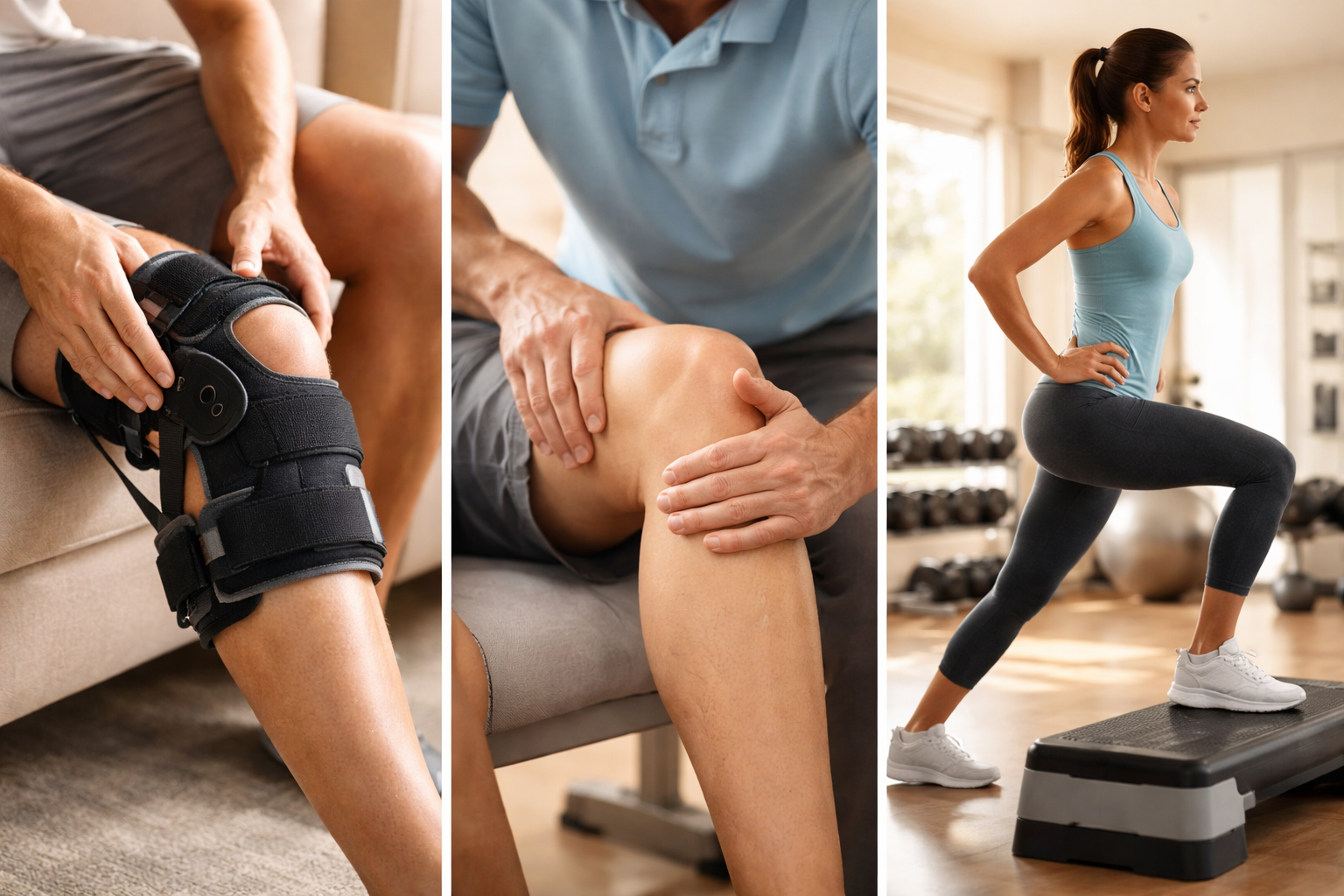
The pattern I look for is always a combination of location, behaviour, and context. The knee is stabilised by a complex interplay of four major ligaments, two menisci, the patellofemoral joint, surrounding tendons, and the muscles that cross it — primarily the quadriceps, hamstrings, and hip abductors. When any one of these structures is overloaded or compromised, the resulting pain tends to follow recognisable clinical patterns. Front-of-knee pain that worsens with stairs and squatting is classically consistent with patellofemoral pain syndrome, one of the most common presentations I see in active adults under 40. Outer-knee pain that builds over the course of a run points strongly toward IT band syndrome, where the iliotibial band repeatedly compresses against the lateral femoral condyle.
Morning stiffness that eases within 30 minutes is a well-recognised feature of osteoarthritis, reflecting synovial fluid that thickens during periods of rest and loosens with movement. Research published in journals like Arthritis Care and Research has consistently shown that this “gelling phenomenon” correlates with cartilage changes in the joint. By contrast, stiffness lasting longer than 45 minutes that doesn’t ease readily may suggest inflammatory arthritis — an important distinction that warrants medical investigation. Swelling after activity, meanwhile, suggests the joint is generating excess synovial fluid in response to stress — a sign worth taking seriously regardless of your total score.
Risk factors matter enormously here. Age, body mass index, previous knee injuries, and occupational loading are all independently associated with accelerated joint wear. That doesn’t mean deterioration is inevitable — far from it. Exercise remains one of the most evidence-supported interventions for knee osteoarthritis, and even modest reductions in load through weight management or footwear changes can meaningfully reduce symptoms. Understanding the mechanism behind your pain helps you make smarter choices about how to manage it — which is exactly why I find this kind of symptom mapping so valuable as a starting point.
Take a Validated Knee Pain Type Assessment
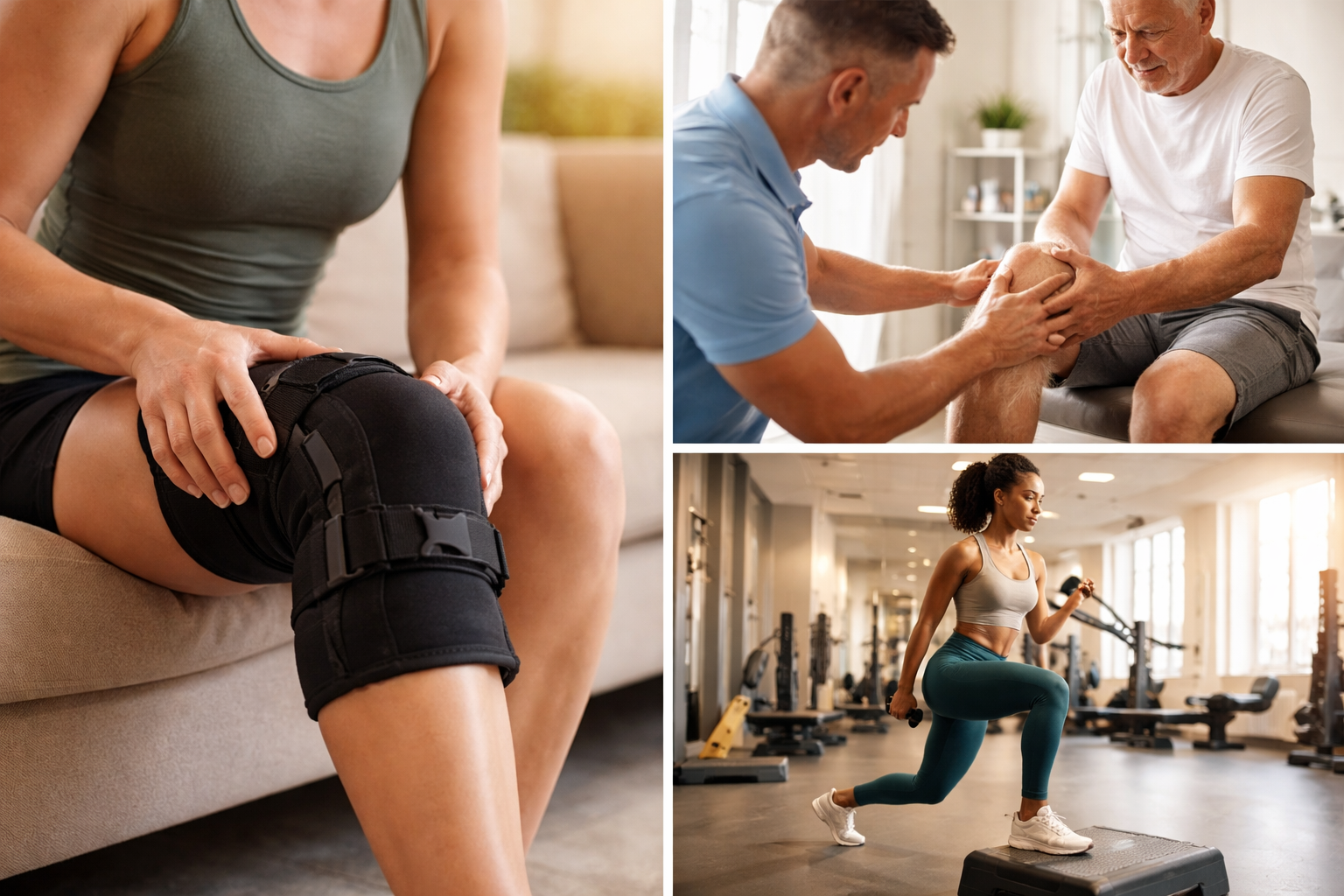
If you’d like to go deeper with a more structured assessment, the following resources offer interactive tools developed with clinical input. I’d recommend using these as a complement to — not a replacement for — a conversation with your healthcare provider. Take your results with you to your next appointment; they can be a useful conversation starter.
- Kettering Health Knee Pain Quiz — from a credentialed hospital orthopaedics department, this quiz assesses your symptoms and helps guide your next steps with practical, clinician-informed recommendations.
- MACI Knee Pain Quiz — an interactive quiz designed to assess knee pain in a structured way, with results you can share directly with your healthcare provider to support a more informed clinical conversation.
Please remember to discuss any quiz results — including the checklist above — with a qualified healthcare professional before making decisions about your treatment or activity levels. These tools are educational aids, not substitutes for clinical assessment.
Products That Can Help While You Figure This Out
While you’re working toward a clearer diagnosis or waiting for a physiotherapy appointment, the right supportive products can make a real difference to your day-to-day comfort. Here are a few I genuinely recommend based on the type and severity of symptoms people commonly report.
If your checklist responses pointed toward front-of-knee or patellar tendon pain — especially questions 1 and 8 — a targeted patellar strap can provide meaningful relief during activity. The Bodyprox Patella Tendon Knee Strap 2 Pack applies gentle compression just below the kneecap to offload the tendon during movement. It’s lightweight, adjustable, and practical for hiking, running, or everyday use — a sensible first step for patellofemoral or jumper’s knee symptoms.
For more generalised knee pain — particularly if swelling, instability, or a moderate-to-high quiz score are part of your picture — a compression sleeve offers broader support across the joint. The Modvel Compression Knee Brace 2-Pack is a popular option that provides consistent graduated compression, which research suggests can help reduce perceived pain and improve proprioception during activity. It’s suitable for running, gym work, and general daily wear, and comes in a two-pack — useful if you need one for each knee or want a spare.
If your symptoms are more significant — particularly if you scored higher and experience instability or catching sensations — consider the DR. BRACE ELITE Knee Brace with Side Stabilizers and Patella Gel Pads. The lateral stabilisers and gel pad design provide a more structured level of support, which may be particularly useful for those managing meniscus symptoms, ACL concerns, or more advanced osteoarthritis while awaiting further assessment.
If you’re also exploring nutritional support for joint health — particularly relevant if questions 3, 9, or 10 resonated with you — glucosamine and chondroitin supplements are among the most researched options in this space. The evidence is mixed, but some studies suggest benefit for certain individuals with osteoarthritis. The Glucosamine Chondroitin MSM Joint Support Supplement, NOW Foods Glucosamine and Chondroitin with MSM, and the Bronson Glucosamine Chondroitin Turmeric and MSM Advanced Joint Formula are all well-regarded options worth discussing with your doctor or pharmacist.
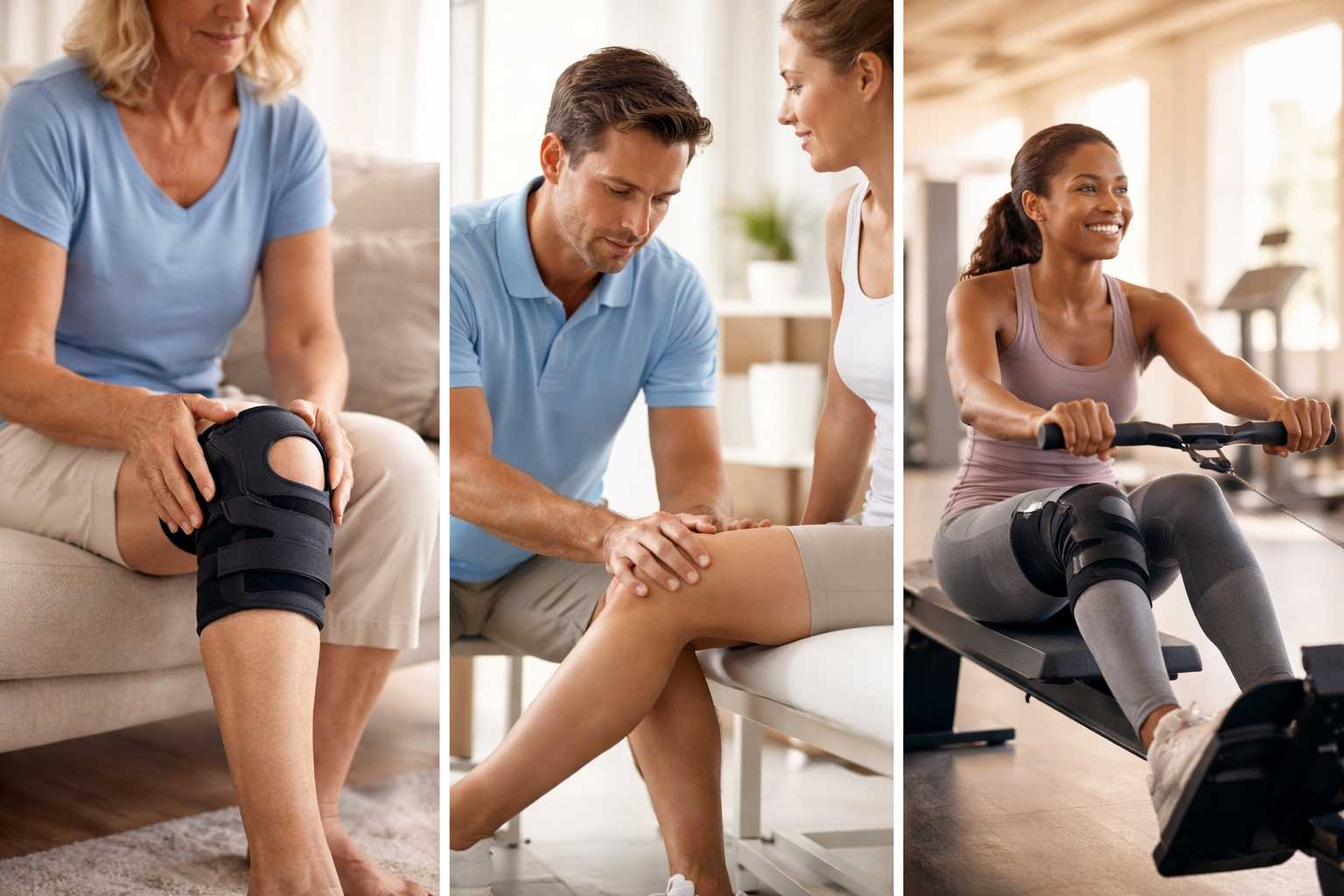
Knee pain is frustrating — I understand that more than most. But here’s what I want you to take away from this: understanding the pattern of your pain is not just useful, it’s empowering. You’re not starting from zero anymore. Whether your score was low and reassuring, or higher and pointing toward something that needs attention, you now have a framework for the next conversation — with a physio, a GP, or a sports medicine specialist. Keep moving where you can, support the joint intelligently, and don’t wait too long to get proper eyes on it if things aren’t improving. Your knees carry you through everything — they’re worth looking after properly.