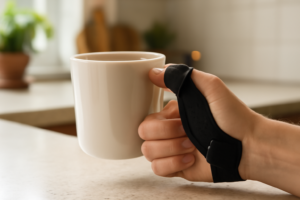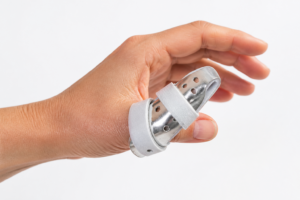

If you’ve ever typed “carpal tunnel syndrome quiz” into a search bar at midnight while shaking out a numb hand, you’re not alone. “Carpal tunnel” has become a catch-all label that people slap on any wrist or hand discomfort — and in my experience, that leads to a lot of mismanaged symptoms and missed diagnoses. The truth is, genuine carpal tunnel syndrome (CTS) has a very specific pattern, and once you know what to look for, it becomes much easier to tell apart from other conditions like De Quervain’s tenosynovitis, thoracic outlet syndrome, or cervical radiculopathy.
I’ve worked with countless people who were convinced they had carpal tunnel but were actually dealing with something else entirely — and vice versa. The checklist below is based on well-established clinical criteria and the kind of symptom patterns that hand therapists and neurologists rely on when assessing this condition. It’s not a replacement for a formal diagnosis, but it can give you a much clearer sense of whether your symptoms are consistent with CTS before you book an appointment or head down a long self-treatment rabbit hole.
Work through the questions honestly. Don’t overthink them — your first instinct is usually the most useful answer here.
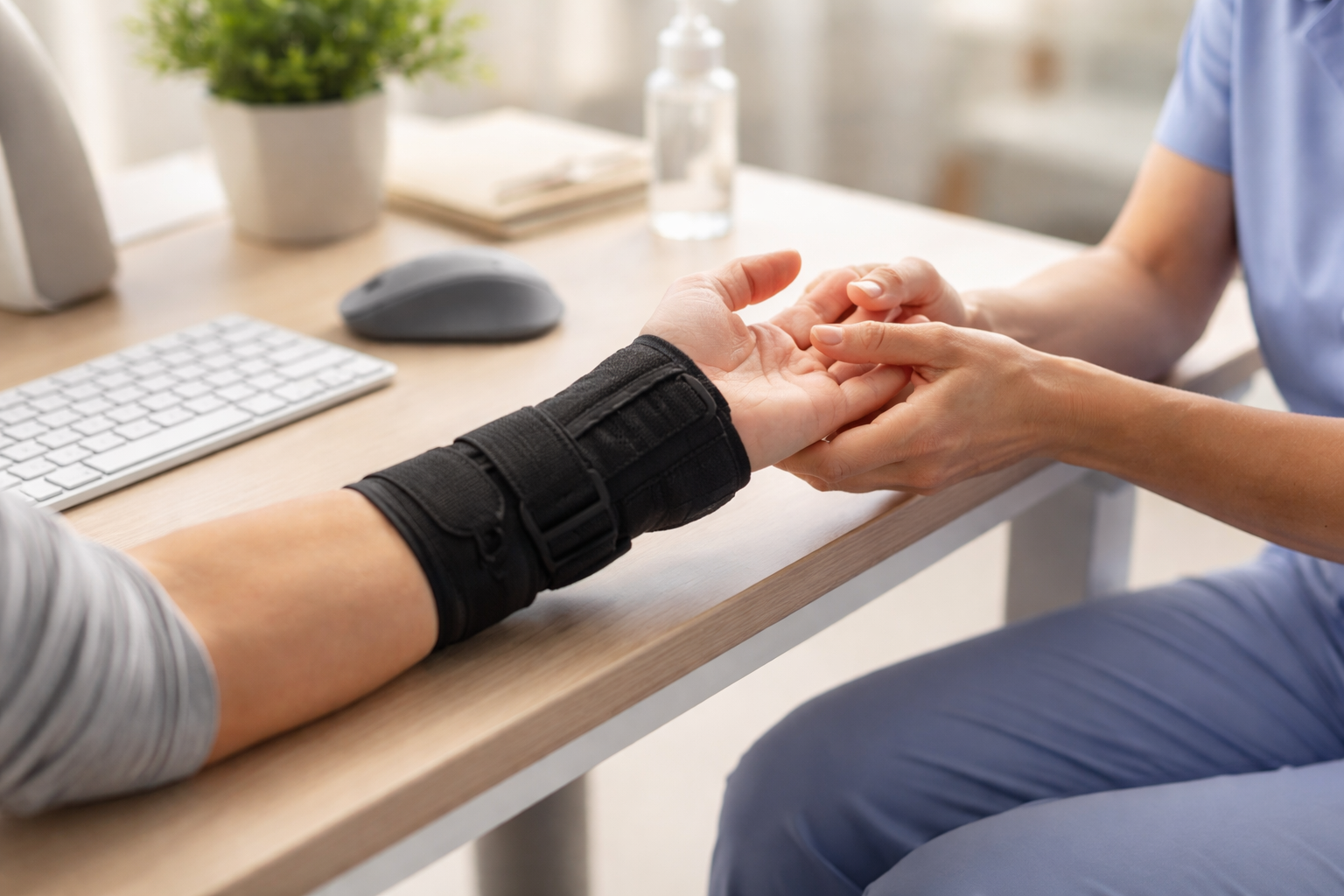
The Carpal Tunnel Syndrome Symptom Checklist
For each question, give a simple Yes or No answer based on your experience over the past few weeks. Try to focus on your most symptomatic hand if both are affected. We’ll add up the points at the end — but the specific questions where you answer “Yes” matter just as much as the total, so pay attention to the pattern as you go.
- Do you experience numbness or tingling in your thumb, index, middle finger, or the ring finger (but NOT the little finger)?
- Do your hand or finger symptoms wake you up at night?
- Do you find yourself shaking or flicking your hand to relieve the numbness?
- Are your symptoms worse when you hold something for a sustained period — a phone, a steering wheel, a book?
- Do you have weakness when gripping objects or find yourself dropping things unexpectedly?
- Do symptoms improve temporarily when you shake your wrist or change hand position?
- Do you spend significant time typing, doing repetitive hand movements, or using vibrating tools?
- Do you have diabetes, thyroid disease, or are you pregnant or peri-menopausal? (All increase risk)
- Have you had a positive Phalen’s test result? (Holding your wrists bent at 90° for 60 seconds reproduces your symptoms)
- Have symptoms been present consistently for more than 6 weeks?
Give yourself 1 point for every “Yes.” Then check your score below.
What Your Score Means
0–3: Carpal tunnel syndrome is less likely as the primary cause. Your symptoms may be related to tendinopathy, thoracic outlet syndrome, or simple muscle tension — all of which are worth tracking carefully. Something I always explain to people in this range is that a low CTS score isn’t reassuring if your symptoms are persistent or worsening — it just means the investigation needs to go in a different direction. A physiotherapist or GP can help you map the correct pathway.
4–6: A moderate overlap with the carpal tunnel symptom profile. This is particularly worth taking seriously if questions 1, 2, and 3 were among your “Yes” answers — that combination of median nerve distribution, night symptoms, and hand-flicking for relief is quite characteristic of CTS. That said, other conditions can partially mimic this pattern, which is why a GP or hand therapist assessment at this stage is genuinely worthwhile rather than optional.
7–10: A strong match with carpal tunnel syndrome. The pattern I look for is exactly this — thumb, index, and middle finger numbness, symptoms that interrupt sleep, and the instinctive hand-shaking that provides brief relief. If you’re scoring in this range, nerve conduction testing is the gold-standard confirmation and is well worth requesting. Research published in the Journal of Orthopaedic Surgery and Research has consistently supported electrodiagnostic testing as the most reliable objective measure for confirming CTS severity.
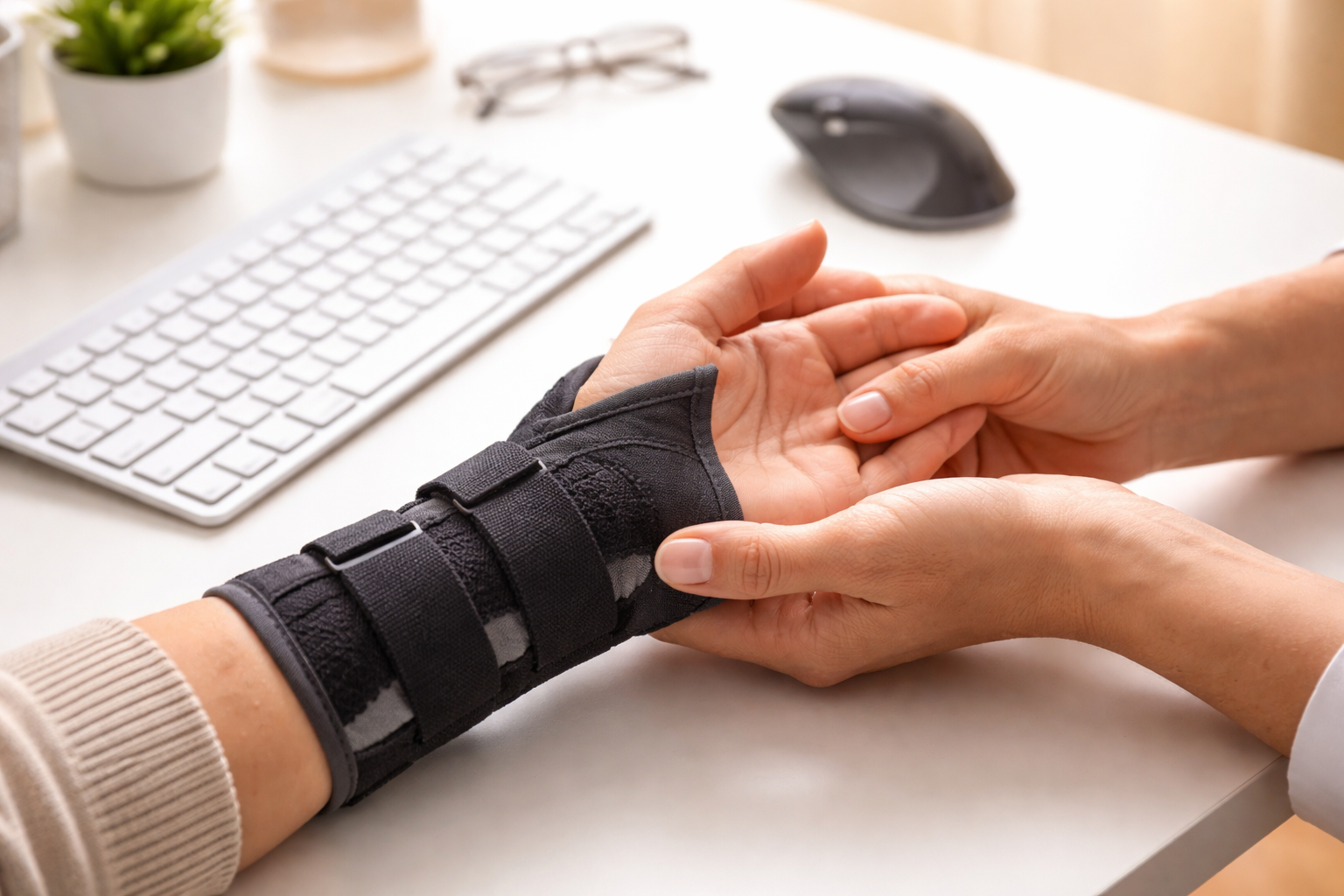
Understanding the Pattern
The carpal tunnel is a narrow passageway on the palm side of the wrist, formed by the carpal bones on one side and the transverse carpal ligament on the other. Running through it is the median nerve, which supplies sensation to the thumb, index finger, middle finger, and the thumb-side half of the ring finger — which is exactly why the little finger is spared in true CTS. When the tunnel becomes compressed or the tissues inside it swell, that nerve gets irritated, and you end up with the classic numbness, tingling, and weakness that make this condition so disruptive to daily life.
Night symptoms are particularly telling. When you sleep, your wrists naturally flex, which narrows the carpal tunnel further. In people with CTS, this positional pressure is often enough to tip the median nerve over into producing symptoms — hence waking up with a hand that feels like it belongs to someone else. The hand-shaking reflex that so many people describe isn’t a quirk; it’s the body’s instinctive attempt to restore blood flow and relieve nerve pressure through movement. In my experience, when someone describes doing this without even thinking about it, that detail alone makes me take CTS seriously.
Risk factors for developing CTS are well-documented and include repetitive hand and wrist activity, prolonged wrist flexion or extension (think keyboard posture), female sex, older age, pregnancy, diabetes, hypothyroidism, rheumatoid arthritis, and obesity. It’s worth noting that while repetitive work is associated with CTS, it isn’t always causal — many people with sedentary lifestyles develop it too, particularly in the context of metabolic or hormonal risk factors. Understanding your personal risk profile is helpful when you’re deciding how urgently to pursue assessment.

Take a Validated Carpal Tunnel Syndrome Assessment
If this checklist has raised your suspicions, the next step is to dig a little deeper with a more detailed self-assessment tool before — or alongside — seeking professional input. These two resources are worth bookmarking:
- My Carpal Tunnel Self-Test — a detailed at-home assessment built around the diagnostic criteria that healthcare professionals use clinically. It walks you through the key symptom markers methodically and gives you a clearer picture of where your presentation sits.
- Ubie AI Carpal Tunnel Symptom Checker — a free, three-minute AI-powered symptom checker developed in collaboration with medical specialists. It’s a smart tool for getting a quick, structured read on your symptoms without having to wade through generic health articles.
Please treat the results of any self-assessment — including this quiz — as a starting point, not a conclusion. Always discuss your findings with a qualified healthcare professional who can perform a physical examination and order appropriate investigations if needed.
The Nighttime Wrist Brace That Actually Keeps Your Hand Neutral While You Sleep
If you have genuine carpal tunnel syndrome, your median nerve is already under pressure during the day — and then you sleep with your wrist bent, which cranks that pressure up even more. A proper nighttime brace that holds your wrist in neutral position addresses the actual mechanism driving your symptoms.
What works
- Research consistently shows that nighttime splinting reduces morning numbness and tingling in people with confirmed CTS — but only if the brace actually keeps your wrist straight, not bent at an angle.
- Most people report noticeable improvement in nighttime symptoms within 2–3 weeks of consistent use, which is when you realize how much of your pain was coming from sleep positioning alone.
- The ComfyBrace design uses a rigid aluminum splint that doesn’t collapse or shift during sleep — unlike fabric-only braces that bunch up and actually make things worse.
What doesn’t
- A nighttime brace alone won’t fix CTS if you’re spending 8 hours a day typing with poor ergonomics — you need to address the daytime aggravating factors too, or you’re just managing symptoms at night.
- Some people find the brace uncomfortable initially or wake up with it half-off; adjustment takes a few nights, and if you’re a restless sleeper, you may not get consistent benefit.
A brace won’t reverse nerve damage that’s already happened, and if your CTS is severe enough, you may need more than nighttime support. ComfyBrace 2 Pack Nighttime Pain Relief Wrist Brace
About This Article

Written by Michael Torres. Michael Torres has had joint problems his whole life — hypermobile as a kid, chronic sprains and a dislocating shoulder through his twenties, an osteoarthritis diagnosis in his early fifties, and a right knee replacement since. He is not a doctor or a physical therapist and has no clinical training. He writes about what has helped him and what he has watched help the people around him, and says plainly when he has not tried something himself. More about this site.
Scope and limits. Michael has no medical or clinical training — he writes about living with his own joint pain, not about treating anyone else's. Nothing here is medical advice. Talk to a doctor before starting anything new, and get seen promptly for pain that is new, severe, worsening, or comes with swelling, fever, or numbness.
Verify this against a primary source
Specifics change, and your situation may differ from the one described here. These are the authorities worth checking directly:
- NIAMS — arthritis and musculoskeletal research from the NIH
- MedlinePlus — plain-language medical reference from the NIH
- Arthritis Foundation — condition guides and treatment overviews