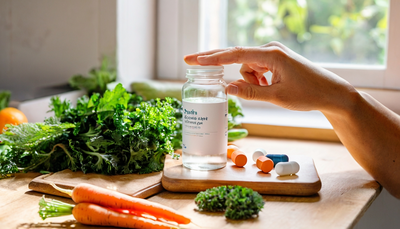

When Your Body Finally Stops Whispering and Starts Shouting
Last winter taught me something I should have learned years earlier. Chronic inflammation doesn’t announce itself dramatically. Instead, it quietly builds — stiffening joints, dulling energy, disrupting sleep — until one day, you simply can’t ignore it anymore.
My knee wasn’t just sore. It was visibly swollen, warm to the touch, and resistant to every excuse I invented. I cycled through explanations like a checklist:
- New running route on harder pavement
- Drafty bedroom causing stiffness
- Too many hours hunched over a laptop
- Simply “getting older”
None of those explanations were entirely wrong. However, none of them addressed the real issue underneath.
—
The Word My Doctor Almost Threw Away
Inflammation. She said it plainly, almost casually. Yet that single word reframed everything.
Chronic inflammation differs significantly from acute inflammation. Acute inflammation heals a wound. Chronic inflammation, however, lingers without resolution. It becomes background noise your body eventually normalizes — until damage accumulates quietly over months or years.
My grandmother used to say, “Pain that stays is pain that’s trying to teach you something.” I finally understood what she meant.
—
Why Turmeric Entered the Conversation
My doctor mentioned turmeric almost as an afterthought. Nevertheless, that offhand comment carried real scientific weight behind it.
Curcumin — turmeric’s active compound — has been studied extensively for its anti-inflammatory properties. Research suggests it may inhibit specific inflammatory pathways, particularly NF-kB, a molecule linked to chronic inflammation.
Furthermore, turmeric has been used medicinally for over 4,000 years across Ayurvedic and Chinese medicine traditions. It wasn’t a trendy wellness suggestion. It was a well-documented, underutilized tool hiding in plain sight.
That realization — that the answer was so accessible yet so overlooked — is precisely why this conversation matters.
What Makes Turmeric So Special?
Turmeric isn’t just a kitchen staple. It’s one of the most researched spices on the planet. For thousands of years, Ayurvedic and traditional Chinese medicine practitioners used it to treat everything from joint pain to digestive issues. Modern science has finally caught up — and the results are genuinely impressive.
The real power lives inside a compound called curcumin. Source Curcumin gives turmeric its vivid golden color and drives most of its health benefits. However, curcumin makes up only about 2–5% of turmeric by weight, which matters when you’re choosing between food and supplements.

Turmeric as a Natural Anti-Inflammatory
Inflammation is your body’s defense system. Short-term, it protects you. Long-term, it quietly destroys joints, arteries, and cells. This is where turmeric steps in with real authority.
Curcumin blocks NF-kB, a molecule that travels into cell nuclei and activates inflammation-related genes. Source Additionally, it suppresses several inflammatory enzymes — COX-2 and LOX — that common pain medications also target.
This matters enormously for people managing arthritis, muscle soreness, or post-workout recovery. In contrast to NSAIDs like ibuprofen, turmeric doesn’t damage the stomach lining with regular use. Therefore, many people find it a gentler long-term option.
The Antioxidant Bonus
Beyond inflammation, curcumin neutralizes free radicals directly. Source It also boosts your body’s own antioxidant enzymes. As a result, regular turmeric consumption may slow cellular aging and reduce oxidative stress linked to chronic disease.
The Bioavailability Problem — and the Fix
Here’s the frustrating part. Curcumin absorbs poorly on its own. Your gut processes it quickly, and very little enters your bloodstream. However, there’s a simple, well-documented solution.
Black pepper. Piperine, the Source active compound in black pepper, increases curcumin absorption by up to 2,000%. Always pair your turmeric with black pepper — in food, drinks, or supplements.
Fat also helps significantly. Curcumin is fat-soluble, meaning it absorbs better alongside healthy fats like coconut oil, olive oil, or full-fat milk. Therefore, golden milk made with whole milk or coconut milk isn’t just delicious — it’s strategically smart.

How to Actually Use Turmeric Every Day
Knowing the benefits means nothing without consistent action. Fortunately, turmeric fits into daily life more easily than most people realize.
Golden Milk (The Classic)
Begin your evening ritual by gently warming your preferred milk. This could be creamy dairy, or plant-based options like oat or almond, offering diverse flavors and nutrients. The star ingredient, turmeric powder, contains curcumin, a powerful anti-inflammatory compound. Its effectiveness greatly increases with black pepper, which provides piperine to enhance absorption by up to 2,000%. Furthermore, aromatic cinnamon adds a subtle sweetness and antioxidant benefits. A touch of honey not only sweetens but also offers soothing properties. This thoughtful blend creates a potent, comforting elixir.
Once combined, gently whisk these ingredients until fully dissolved and smooth. This ensures an even distribution of their beneficial compounds. Sipping this golden milk before bed prepares your body for restorative rest. Consequently, it actively works to alleviate discomfort, especially promoting joint comfort by targeting inflammation. Many individuals report a noticeable reduction in morning stiffness. Moreover, the warm beverage signals to your body that it is time to unwind. For optimal results, consistent daily consumption over a few weeks is key.
My grandmother swore by a similar nightly tonic. She always said, “A little warmth and spice keeps the aches at bay.”
Turmeric Latte (Coffee Shop Style)
Brew strong espresso or strong black tea. Steam oat milk or almond milk separately. Add half a teaspoon of turmeric, a pinch of pepper, and a dash of vanilla extract. Combine and froth. Additionally, a small amount of coconut oil blended in creates a creamier texture and improves curcumin absorption simultaneously.
Smoothies
Turmeric blends seamlessly into fruit smoothies. Source Combine frozen mango, banana, coconut milk, one teaspoon of turmeric, a pinch of black pepper, and fresh ginger. The mango masks any bitterness entirely. Meanwhile, the ginger amplifies turmeric’s anti-inflammatory effects — both compounds share overlapping mechanisms.

Cooking with Turmeric
Sprinkle turmeric into scrambled eggs, soups, lentil dishes, roasted vegetables, or rice. Even small daily amounts — a quarter to half a teaspoon — contribute meaningfully over time. Consistency beats intensity every single time.
Supplements: When Food Isn’t Enough
Some health goals require higher doses than food alone delivers. For active inflammation management or pain relief, supplements offer a more concentrated approach.
Choosing the Right Supplement
Look for supplements containing standardized curcumin extract (typically 95% curcuminoids) rather than plain turmeric powder. Additionally, choose products that include piperine or use enhanced delivery systems like liposomal curcumin or phytosome technology. These formats dramatically improve absorption without requiring black pepper.
Dosage Guidance for Pain and Inflammation
Turmeric’s active compounds, curcuminoids, are widely recognized for their powerful anti-inflammatory and antioxidant benefits. Many individuals integrate curcumin supplements into their daily routine for general wellness. This proactive health maintenance supports overall vitality. When choosing a supplement, moreover, look for a standardized extract. Such products typically specify a high percentage of total curcuminoids. For instance, a common approach for daily support involves a moderate dose. This often falls around 500 to 1000 mg of curcumin.
For more targeted support, particularly with active joint discomfort or persistent inflammatory conditions, higher dosages are frequently considered. Many practitioners suggest increasing the daily intake to between 1,500 and 2,000 mg of curcumin. Furthermore, dividing this total dose across two or three separate servings throughout the day can optimize its effectiveness. This strategy helps maintain more consistent levels of the active compound in your system.
Enhancing Curcumin Absorption
Curcumin faces a significant challenge: poor bioavailability. This means the body struggles to absorb and utilize it effectively. Therefore, selecting a high-quality supplement designed for enhanced absorption is crucial. Look for formulations combined with piperine (black pepper extract), which can dramatically boost uptake. Alternatively, consider liposomal or micellar curcumin products. These advanced delivery systems further improve absorption rates.
Crucially, before embarking on any new supplement regimen, always consult your healthcare provider. This step is non-negotiable. Discussing your health history and current medications is essential. Curcumin, for example, possesses mild anticoagulant properties. Consequently, it can interact with blood-thinning medications like Warfarin or aspirin. My friend, who takes daily blood thinners, always double-checks with her doctor before trying any new herbal remedy. This ensures her safety. Moreover, individuals with gallstones or those anticipating surgery should exercise particular caution. Never substitute supplements for prescribed medical treatments.
Don’t expect overnight results. Most people report noticeable changes after four to eight weeks of consistent use. Therefore, patience and routine matter more than any single large dose.
Real Results: What Consistency Looks Like
Anecdotally, the people who benefit most from turmeric share one trait — they don’t stop after a week. Source One reader described adding golden milk to her nightly routine for six weeks before her morning knee pain noticeably decreased. Another incorporated turmeric into post-workout smoothies and found his recovery time shortened measurably.
In contrast, people who try turmeric once or twice and expect dramatic results almost always feel disappointed. The spice rewards commitment, not experimentation.

A Few Things to Watch
Who Should Use Turmeric Carefully?
Turmeric is generally safe and well-tolerated. Most people enjoy it daily without any issues. However, understanding your limits matters greatly.
Culinary use — think curries, golden milk, soups — is considered safe for nearly everyone. Moderate supplement doses (around 500–2,000 mg daily) are also widely accepted.
—
When High Doses Become Problematic
Consequently, very high doses can trigger unwanted side effects, including:
- Mild nausea after taking concentrated capsules on an empty stomach
- Digestive cramping or bloating
- Loose stools or diarrhea, especially with prolonged use
Therefore, always take supplements with food to minimize discomfort.
—
Gallbladder and Pregnancy Considerations
Furthermore, curcumin actively stimulates bile production. For people with gallstones or bile duct obstruction, this can worsen symptoms significantly.
Pregnant women should similarly exercise caution. Culinary amounts remain perfectly fine. However, high-dose supplements may stimulate uterine contractions, raising unnecessary risks.
My midwife aunt always said, “Spice your food freely, but respect the capsule.” That wisdom genuinely stuck with me.
Always consult your doctor before starting turmeric supplements if you:
- Have gallbladder disease
- Are pregnant or breastfeeding
- Take blood-thinning medications like warfarin
- Have diabetes or iron-deficiency concerns
—
The Bottom Line
In short, turmeric is remarkably safe within reasonable boundaries. Nevertheless, more is not always better. Start low, observe your body’s response, and adjust accordingly. Additionally, choose supplements with black pepper extract (piperine) for better absorption at lower doses. This approach maximizes benefits while minimizing any digestive strain effectively.
Bringing It All Together
Turmeric earns its reputation honestly. The science supports it, traditional medicine has validated it for centuries, and millions of people use it successfully every day. The key is combining it with black pepper and fat for proper absorption, maintaining consistent daily intake, and choosing quality supplements when food isn’t enough.
Start simple. Add turmeric to your morning smoothie this week. Try golden milk before bed. Give it six weeks before you judge the results. Your joints, your cells, and possibly your doctor will thank you. Sometimes the most powerful remedies aren’t complicated — they’re just golden, warm, and waiting in your spice cabinet.
What I Recommend
If you’re looking to harness turmeric’s anti-inflammatory power without the hassle of cooking with fresh root, a quality turmeric curcumin supplement is one of my go-to recommendations for patients. I’ve seen consistent results with standardized extracts that ensure you’re getting a reliable dose of curcumin in every capsule. It’s convenient, shelf-stable, and takes the guesswork out of portions.
Another solid option I often suggest are turmeric supplement capsules from reputable brands that prioritize absorption and purity. When you’re dealing with joint pain or chronic inflammation, consistency matters, and capsules make it easy to take your turmeric daily without thinking twice about it.
Now here’s where most people get it wrong: curcumin alone isn’t absorbed very well by your body. That’s why I’m a big advocate for curcumin with bioperine, which combines turmeric’s active compound with black pepper extract to boost bioavailability significantly. In my experience, this combination delivers real, noticeable results compared to turmeric supplements without it.
Speaking of black pepper, a dedicated black pepper piperine supplement can be incredibly useful if you’re already taking turmeric but want to amplify its effectiveness. The piperine in black pepper can increase curcumin absorption by up to 2000%, which is a game-changer for anyone serious about managing inflammation.
If you prefer a broader approach to fighting inflammation, a comprehensive anti-inflammatory supplement that includes turmeric alongside other research-backed ingredients might be worth exploring. I often recommend these to patients who want to address inflammation from multiple angles rather than relying on one compound alone.
For my patients dealing with specific joint discomfort, a joint pain relief supplement that features turmeric as a key ingredient can provide targeted support. These formulas often combine turmeric with complementary compounds like glucosamine or MSM, creating a more comprehensive approach to joint health.
If you love cooking and want to get turmeric into your diet the traditional way, high-quality organic turmeric powder is absolutely worth investing in. The fresher and more potent your powder, the more curcumin you’re actually consuming, so don’t settle for the dusty stuff sitting in grocery store shelves for months.
For those of you specifically concerned about knee health, a knee joint support supplement that incorporates turmeric can be particularly beneficial. I’ve recommended these to runners and active individuals who want extra support for high-impact activities, and turmeric’s anti-inflammatory properties pair beautifully with other joint-supporting nutrients.
Don’t overlook the power of omega-3 fish oil for anti-inflammatory support either, as it works synergistically with turmeric to reduce systemic inflammation. In my 14+ years of practice, I’ve found that combining omega-3s with turmeric delivers results that neither supplement achieves alone, especially for patients with persistent joint pain.
Finally, if you want a delicious, warming way to incorporate turmeric daily, try turmeric golden milk mixes that are ready to blend into warm milk or your favorite beverage. This is how I personally enjoy turmeric most evenings—it’s therapeutic, tasty, and a wonderful ritual that reminds you to prioritize your joint health.
*As an Amazon Associate, I earn from qualifying purchases.