

When Your Body Sends the Bill
That swollen knee wasn’t random. It was the result of months of low-grade inflammation quietly building pressure. Chronic inflammation doesn’t always announce itself dramatically. Instead, it whispers — through stiffness, fatigue, and joints that ache without obvious injury.
Common early warning signs most people ignore:
- Morning stiffness lasting more than 30 minutes
- Persistent puffiness around joints
- Unexplained tiredness after full sleep
- Recurring headaches or brain fog
Furthermore, many people blame lifestyle factors — wrong shoes, cold weather, desk posture — before considering internal inflammation. That delay matters enormously.
—
The Offhand Turmeric Mention
Doctors sometimes recommend turmeric almost casually. However, that casualness is deceiving. Turmeric contains curcumin, a compound with significant anti-inflammatory research behind it.
My grandmother kept dried turmeric root in her kitchen like a staple — she called it “the joint medicine that tastes like earth.”
Therefore, when a doctor mentions it, take notes. But here’s what I actually did with that advice: instead of shopping for a supplement first, I started with what was already in my kitchen. If you’re wondering where to even start, the honest answer is your spice rack, your blender, and your evening mug — not a vitamin aisle.
Why Cooking With Turmeric Beats a Pill for Building a Habit
Curcumin, turmeric’s active compound, makes up only about 2–5% of the spice by weight, and it absorbs noticeably better alongside black pepper and a bit of fat. Source That’s genuinely convenient news for cooking, because black pepper and cooking fat are already sitting in most kitchens. You don’t need to remember a pill at a specific time of day — you just need a handful of go-to recipes you’ll actually make again.

That’s the whole premise of this guide: four ways to actually get turmeric into your day, in the order I’d recommend trying them.
Golden Milk: The Classic Turmeric Ritual
This soothing elixir, often called “Golden Milk,” offers more than just warmth. Begin by gently heating your chosen liquid; full-fat dairy provides richness, while almond or oat milk offers a lighter, plant-based alternative. Warming ensures the spices dissolve perfectly, creating a smooth, comforting drink. Avoid a hard boil — high heat isn’t necessary and can scorch the spices.
Basic ratio, per cup of milk:
- 1 cup milk of choice (dairy, oat, almond, or coconut)
- 1/2 to 1 teaspoon turmeric powder
- A generous pinch of black pepper (don’t skip it)
- 1/4 to 1/2 teaspoon cinnamon
- 1 teaspoon honey or maple syrup, to taste
- Optional: 1/4 teaspoon coconut oil, for richness and fat-aided absorption

Whisk thoroughly to prevent any grittiness, then sip this nourishing brew about 30 to 60 minutes before sleep. Many people report a noticeable reduction in morning stiffness within two to three weeks of consistent nightly consumption, alongside more restful sleep from the warm, calming ritual itself. My grandmother swore by her nightly cup, claiming it kept her knees spry for gardening well into her eighties.
A few variations worth trying: add a thin slice of fresh ginger while warming for a spicier version, swap the cinnamon for a pinch of ground cardamom for a more chai-like flavor, or make it iced in summer by blending the warm base with ice once the spices have dissolved.
Turmeric Latte (Coffee Shop Style)
Brew strong espresso or strong black tea. Steam oat milk or almond milk separately. Add half a teaspoon of turmeric, a pinch of pepper, and a dash of vanilla extract. Combine and froth. Additionally, a small amount of coconut oil blended in creates a creamier texture and improves curcumin absorption simultaneously.
A couple of practical tips: freshly cracked black pepper mixes into froth more evenly than pre-ground, and most espresso machines with a steam wand can froth the turmeric mixture directly, so you don’t need a separate frother. If you’d rather not make it at home, plenty of coffee shops will add a turmeric or “golden” shot to an oat milk latte on request.
Smoothies
Turmeric blends seamlessly into fruit smoothies. Combine frozen mango, banana, coconut milk, one teaspoon of turmeric, a pinch of black pepper, and fresh ginger. The mango masks any bitterness entirely. Meanwhile, the ginger amplifies turmeric’s anti-inflammatory effects — both compounds share overlapping mechanisms.
Two more combinations worth keeping in rotation: a tropical version with pineapple, banana, coconut water, turmeric, and black pepper; and a green version with spinach, frozen berries, almond milk, turmeric, and black pepper — the berries hide turmeric’s earthy flavor almost as well as the mango does. If you make smoothies often, freezing a batch of turmeric-and-pepper “cubes” (turmeric, black pepper, and a splash of water or oil frozen in an ice tray) makes mornings faster — just drop one in with the rest of your ingredients.

Cooking with Turmeric: From Breakfast to Dinner
Drinks are a great start, but turmeric earns its keep as a everyday cooking spice. Sprinkle it into scrambled eggs or a tofu scramble for a golden hue and mild earthiness. Stir it into roasted vegetables — cauliflower and turmeric are a particularly good match — or into rice and lentil dishes, where it’s already a traditional pairing. It works equally well in soups, stews, and marinades for chicken or fish, and a pinch whisked into a simple olive oil vinaigrette adds color and flavor to a plain salad.
Even small daily amounts — a quarter to half a teaspoon per dish — contribute meaningfully over time. Consistency beats intensity every single time. And since turmeric is fat-soluble, cooking it into a dish that already includes oil or another fat source (like most sautéed or roasted vegetables) is a genuinely useful pairing, not just a flavor choice.
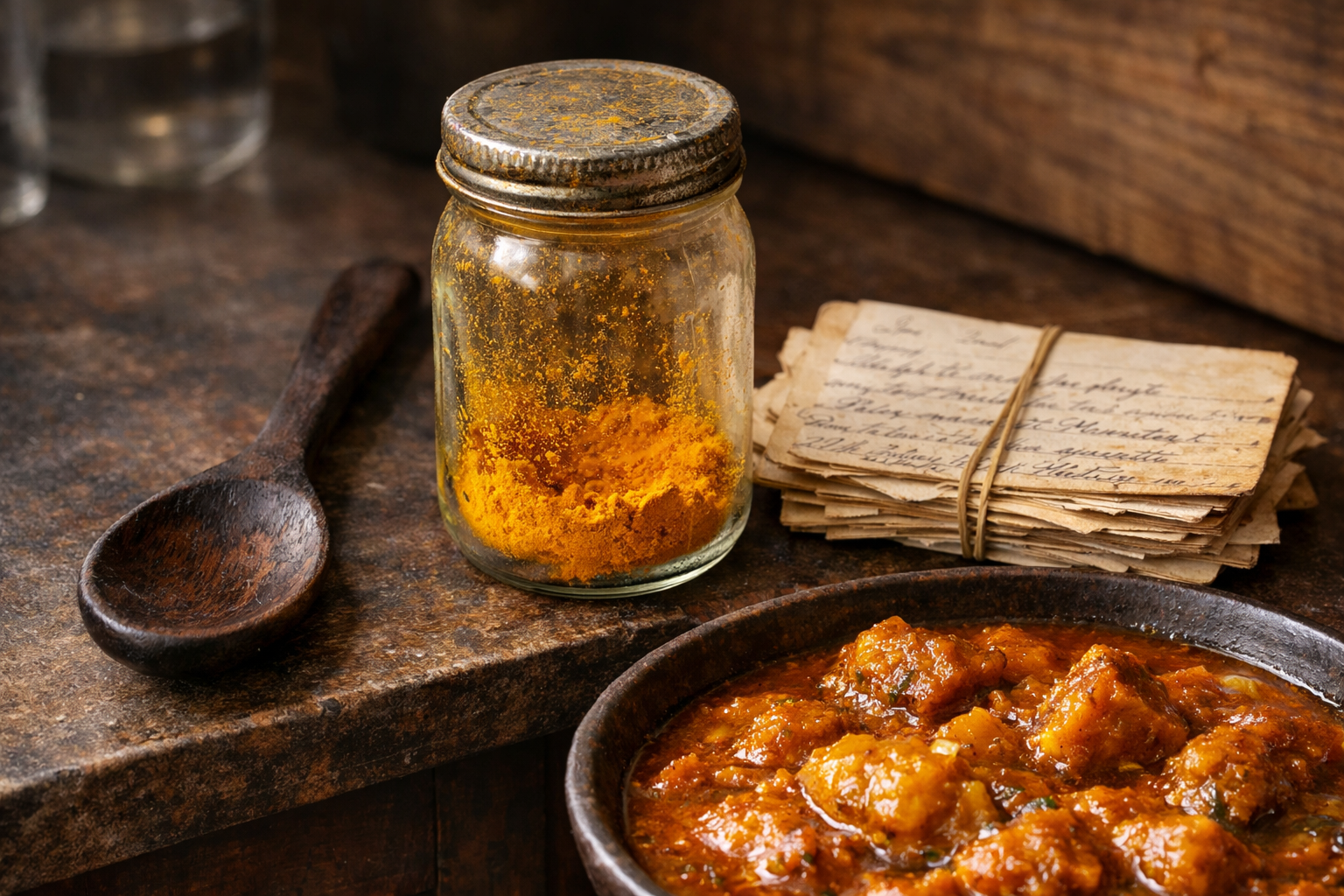
One kitchen warning worth knowing: turmeric stains almost everything it touches — cutting boards, plastic containers, countertops, and fingers included. Use a dedicated cutting board or one you don’t mind discoloring, wipe up spills immediately, and a little olive oil or dish soap rubbed on stained skin usually lifts the color before it sets.
Buying and Storing Turmeric for the Kitchen
Ground turmeric powder is the easiest option for daily cooking and is what most of the recipes above assume. If you want to try fresh turmeric root, look for pieces that are firm with smooth skin — avoid anything soft or shriveled — and grate it directly into a dish the way you would fresh ginger, using gloves if you’d rather not stain your hands.
Store ground turmeric in an airtight container away from light and heat; like most ground spices, it gradually loses potency and flavor after roughly six months to a year, so buying smaller quantities more often beats stockpiling a large jar. Fresh turmeric root keeps for a couple of weeks in the fridge, or you can grate and freeze it — even freeze grated turmeric mixed with a little water into ice cubes — so it’s ready to drop into a pot without prep.
A quick safety note: culinary amounts of turmeric — the quantities in these recipes — are considered safe for nearly everyone, including during pregnancy. The exception is if you’re on blood-thinning medication like warfarin or have gallbladder disease, in which case it’s worth a quick conversation with your doctor before making turmeric a daily habit in food or drinks, not just supplements.
Making It a Habit
The people who actually stick with turmeric long enough to notice a difference tend to rotate between these methods rather than relying on just one — golden milk at night, a latte or smoothie in the morning, and turmeric worked into a couple of dinners each week. That variety is what keeps it from feeling like a chore. Give it four to six weeks of genuinely consistent use before deciding whether it’s making a difference; a single golden milk here and there won’t tell you much either way.
On the days you genuinely don’t have time to cook or blend anything, a quality curcumin supplement is a reasonable stand-in — just know that food-based turmeric and a concentrated supplement are different tools, and if you want the full breakdown of supplement forms, dosing, and safety considerations, that’s a deeper topic than this recipe-focused guide covers.
About This Article

Written by Michael Torres. Michael Torres has had joint problems his whole life — hypermobile as a kid, chronic sprains and a dislocating shoulder through his twenties, an osteoarthritis diagnosis in his early fifties, and a right knee replacement since. He is not a doctor or a physical therapist and has no clinical training. He writes about what has helped him and what he has watched help the people around him, and says plainly when he has not tried something himself. More about this site.
Scope and limits. Michael has no medical or clinical training — he writes about living with his own joint pain, not about treating anyone else's. Nothing here is medical advice. Talk to a doctor before starting anything new, and get seen promptly for pain that is new, severe, worsening, or comes with swelling, fever, or numbness.
Verify this against a primary source
Specifics change, and your situation may differ from the one described here. These are the authorities worth checking directly:
- NIAMS — arthritis and musculoskeletal research from the NIH
- MedlinePlus — plain-language medical reference from the NIH
- Arthritis Foundation — condition guides and treatment overviews