
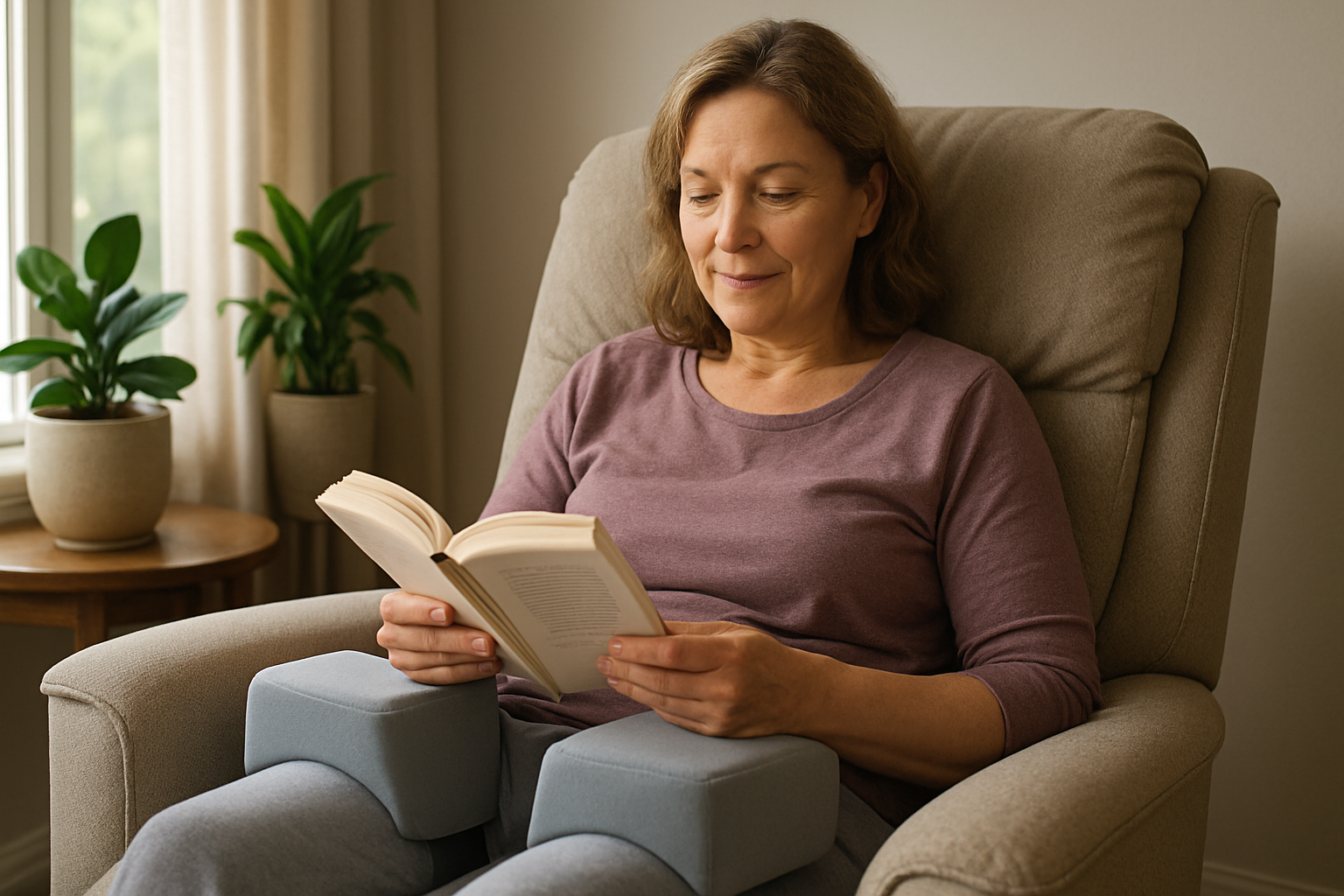
If you’ve recently had a hip replacement — or you’re preparing for one — you already know that the surgery itself is only half the story. The recovery is where the real work happens, and honestly, where the right hip replacement recovery support products can make a world of difference between a frustrating few months and a surprisingly manageable one. I still remember talking with a patient who told me she almost cried with relief the first time she could sit down on the toilet without gripping the wall in a panic. That moment of dignity and safety? It came from having the right tools in place before she even left the hospital.
This post contains affiliate links. As an Amazon Associate, I earn from qualifying purchases. This means I may earn a small commission if you purchase through my links, at no extra cost to you. I only recommend products I genuinely believe may help with hip replacement recovery.
As someone who has worked alongside physical therapists and walked with many post-surgical patients through their recoveries, I want to share what I’ve seen actually help people feel safer, sleep better, and move through the early weeks with more confidence. None of this is a substitute for your surgical team’s guidance — please always follow your doctor’s and PT’s specific instructions — but consider this the honest advice of a knowledgeable friend who’s seen what works.
Why the First Six Weeks After Hip Replacement Are So Critical
The first six weeks post-op are often called the “precautionary period” — and for good reason. Your new hip joint is still settling in. The surrounding muscles, tendons, and soft tissue are healing and learning to support the implant. During this window, most surgeons give their patients a list of movement restrictions (often called “hip precautions”) designed to protect against dislocation, one of the more common early complications after hip replacement surgery.
These precautions typically include avoiding bending your hip past 90 degrees, crossing your legs, and rotating your foot inward. Sounds simple enough — until you realize how many everyday activities involve those exact movements. Sitting on a low couch. Reaching for something on the floor. Getting on and off the toilet. This is exactly why having the right support products set up at home before surgery day may help you stay safer and feel less anxious during those early weeks.
Hip Replacement Recovery Support Products That Actually Help
Let me walk you through the categories of products I most often recommend, and the specific options that have earned real praise from real people going through this recovery.
Hip Abduction Pillows: The Nighttime Game-Changer
Ask almost anyone in hip replacement recovery what kept them up at night — sometimes literally — and they’ll tell you it was the anxiety of accidentally crossing their legs while sleeping. A hip abduction pillow (also called a wedge pillow or leg separator pillow) is designed to keep your legs properly positioned while you rest, reducing the risk of accidental dislocation during those vulnerable sleeping hours.
Many people find significant peace of mind from using one of these, and there are a few solid options worth considering.
The TYYIHUA Abduction Wedge Knee Separator is a versatile option that works both in bed and in a wheelchair, making it useful across different recovery scenarios. It’s designed specifically for hip surgery recovery and leg positioning support, and its wedge shape may help maintain proper alignment throughout the night.
If comfort is your top priority, the TYYIHUA Hip Abduction Pillow in Memory Foam brings an added layer of cushioning with its memory foam construction and soft plush cover. Memory foam tends to conform to the body more naturally, which many people find more comfortable for extended overnight use.
For those looking for a more complete recovery kit approach, the bibahala Hip Abduction Pillow is worth a look. It’s designed as part of a broader hip replacement recovery kit and may also help with post-knee replacement patients, making it a solid multi-purpose investment if someone in your household is managing joint recovery of any kind.
Raised Toilet Seats: Non-Negotiable Bathroom Safety
I can’t stress this enough — a raised toilet seat is one of the most important purchases you can make before hip surgery. Standard toilet heights require a bend well past that critical 90-degree hip angle, which is exactly what your surgical team is trying to help you avoid. A toilet seat riser brings the seat up enough that you can lower yourself safely, without the strain and risk that comes with a standard height.
The Drive Medical 2-in-1 Raised Toilet Seat with Removable Padded Arms is a well-regarded option from a trusted medical equipment brand. The padded armrests are a standout feature — they give you something to push up from when standing, which takes significant stress off your healing hip. The locking attachment mechanism is also reassuring for those worried about stability.
If you need more customization, the Adjustable Raised Toilet Seat with Handles offers both width and height adjustment, making it a great fit for a wider range of body types and toilet configurations. It supports up to 400 pounds and works with most standard toilets, which gives it broad appeal for many households.
A Few More Tips to Set Your Recovery Up for Success
Beyond the specific products above, here are a few practical principles that may help smooth out your recovery experience:
- Set up your recovery space before surgery day. Have everything within easy reach — medications, water, phone, TV remote — so you’re not reaching, bending, or twisting more than necessary in those first days home.
- Sleep on a firm surface. Overly soft mattresses can make it harder to maintain proper hip position and can make getting up much more difficult. Many people find a firmer mattress or a mattress topper helpful during recovery.
- Don’t skip your PT exercises. Research suggests that consistent physical therapy during hip replacement recovery is one of the strongest predictors of long-term outcomes. Even when it’s uncomfortable, gentle movement helps.
- Accept help graciously. Recovery is humbling for many people who are used to independence. Asking for and accepting help during the early weeks isn’t weakness — it’s strategy.
- Watch for warning signs. Sudden increased pain, swelling, redness, or warmth around the joint should prompt a call to your surgical team right away. Don’t wait and wonder.
It’s also worth remembering that recovery looks different for everyone. Age, fitness level before surgery, the surgical approach used, and how well you’re able to follow precautions all play a role. Be patient with yourself, and measure progress in weeks — not days.