
- Start with one class per week and observe how your joints feel in the 24–48 hours afterward.
- Choose low-impact formats first — water aerobics, chair yoga, and tai chi are excellent starting points.
- Talk to the instructor before class. A brief conversation about your joints can open the door to helpful modifications.
- Start with one class per week and observe how your joints feel in the 24–48 hours afterward.
- Choose low-impact formats first — water aerobics, chair yoga, and tai chi are excellent starting points.
- Talk to the instructor before class. A brief conversation about your joints can open the door to helpful modifications.
Picture this: a friend invites you to her Tuesday morning water aerobics class, and your first instinct is to make up an excuse. You’ve heard that group exercise for joints is either a miracle fix or a recipe for disaster — and honestly, you’re not sure which story to believe. I’ve been there myself, and as someone who has spent years working alongside people navigating joint pain, I can tell you that the truth is a lot more nuanced — and a lot more encouraging — than either extreme.
This post contains affiliate links. As an Amazon Associate, I earn from qualifying purchases. This means I may earn a small commission if you click through and make a purchase, at no extra cost to you. I only recommend products I genuinely believe may support your wellness journey.
Why So Many People Are Confused About Group Exercise for Joints
The myths around group fitness and joint health are surprisingly persistent. Some come from well-meaning family members warning you not to “wear out” your knees. Others come from outdated fitness culture that glorified the “no pain, no gain” mentality. And a few myths are hiding inside facts that are partially true but missing important context.
Let’s break down what’s actually going on — myth by myth, fact by fact — so you can make a genuinely informed decision about whether a group class belongs in your joint health routine.
Myth #1: Group Classes Are Too Intense for People With Joint Pain
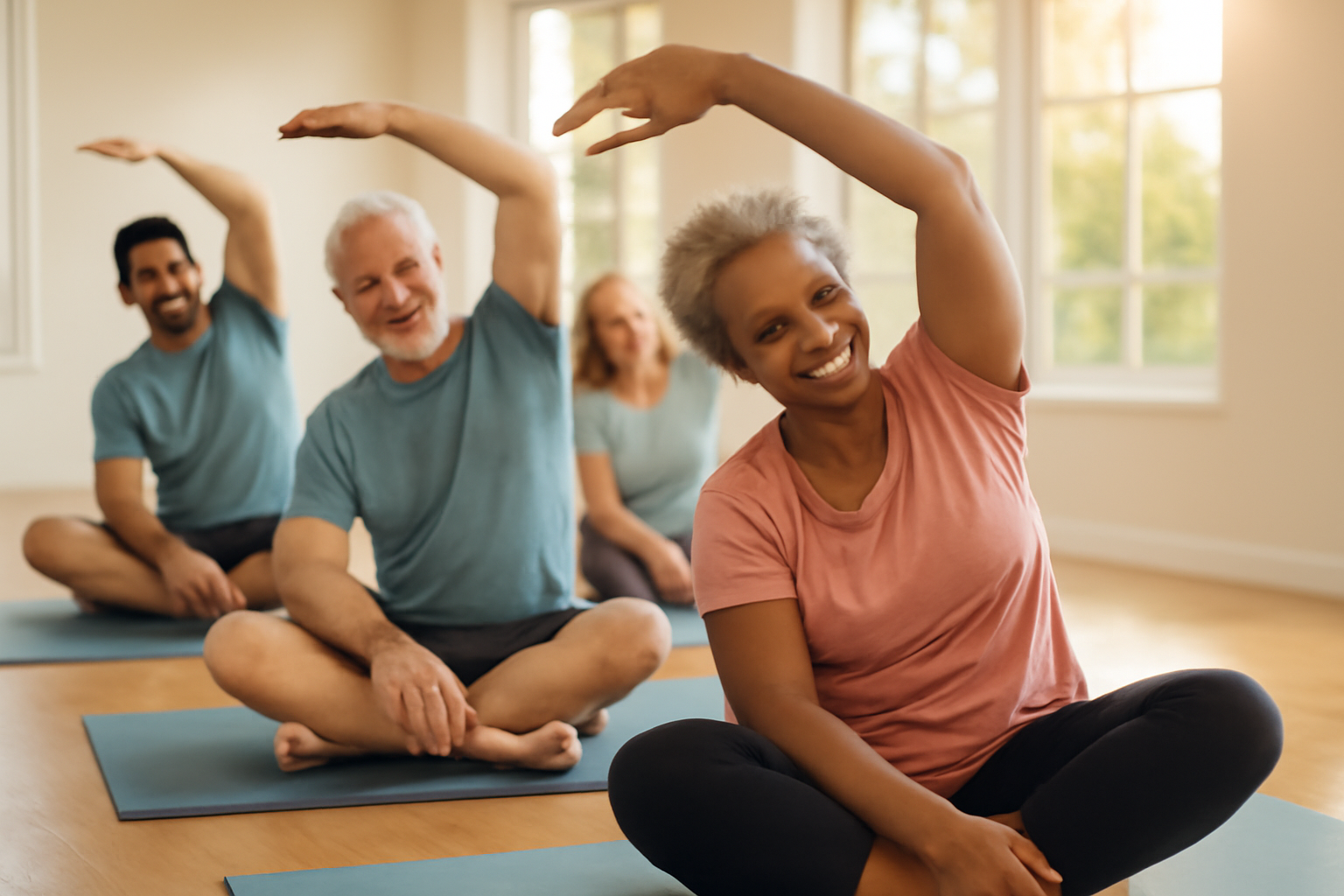
The Fact: Not all group classes are spin or boot camp. Low-impact options like water aerobics, gentle yoga, chair fitness, and tai chi are specifically designed to minimize joint stress while still building the strength and mobility your joints need. Research suggests that regular, moderate movement may actually help reduce joint stiffness and improve function over time — especially for people managing osteoarthritis or chronic inflammation.
The key is choosing the right class. A good instructor will offer modifications, and many community centers now offer classes specifically tailored for adults with arthritis or mobility challenges.
Myth #2: Resting Is Always Better Than Moving
The Fact: This one is tricky because rest absolutely has its place — particularly after a flare-up or acute injury. But long-term inactivity is generally not a friend to joint health. The muscles surrounding your joints play a huge protective role. When those muscles weaken from disuse, your joints end up absorbing more impact and stress than they should. Many people find that consistent, gentle movement through a structured group class actually helps them feel more capable and less stiff day to day.
Myth #3: If You Feel Discomfort, You’re Doing Damage
The Fact: There’s an important difference between the dull ache of muscles working hard and sharp, stabbing, or swelling pain that signals something is wrong. Learning to distinguish between the two is one of the most valuable things you can do for your joint health. In a good group class, an attentive instructor will help you understand the difference and encourage you to honor your body’s signals without giving up altogether.
Myth #4: Group Classes Can’t Be Personalized Enough for Joint Issues
The Fact: Many people assume that because a class serves a group, it can’t meet individual needs. In reality, many certified instructors — especially those with backgrounds in adaptive fitness or physical therapy — are skilled at offering real-time modifications. Arriving a few minutes early to introduce yourself and mention your concerns can make a meaningful difference in how supported you feel throughout class.
What the Research Actually Suggests
I want to be straightforward with you: exercise science is always evolving, and no single study tells the whole story. That said, the body of evidence is fairly consistent in suggesting that low-impact group exercise may help improve joint mobility, reduce perceived pain, and support mental well-being in people with chronic joint conditions.
Tai chi, in particular, has been studied extensively for its effects on balance and joint function in older adults. Aquatic exercise is widely recommended by rheumatologists because the buoyancy of water significantly reduces the load on weight-bearing joints. Even gentle yoga, when practiced mindfully, may help increase range of motion and reduce the tension that often builds up around stiff joints.
Perhaps just as importantly, group settings offer something that solo workouts often don’t: accountability, community, and the motivational boost that comes from moving alongside others. For many people, that social element is what keeps them showing up consistently — and consistency is where the real benefits tend to accumulate.
Products Worth Trying to Support Your Practice
Whether you’re easing into a yoga class or winding down after water aerobics, a few thoughtful tools can make your experience more comfortable and sustainable. Here are some options that many people in the joint health community find genuinely helpful:
For Floor-Based Classes and Meditation Sessions
Sitting on hard floors during yoga or meditation classes can be surprisingly tough on the hips and knees. A quality cushion can make a real difference in how long you can comfortably participate. The FelizMax Zafu Buckwheat Meditation Cushion is a firm, supportive round cushion that elevates your hips slightly and helps reduce strain on the lower back and knees during seated practice. If you prefer something with a bit more sensory comfort, the Black Velvet Embroidered Meditation Cushion — filled with buckwheat and a hint of lavender — offers that same supportive lift with a softer, more calming feel.
For Wind-Down and Stress Relief After Class
Joint pain and stress have a well-documented relationship — chronic tension in the body can amplify inflammation and discomfort. Many people find that incorporating a short mindfulness or sound meditation practice after group exercise helps them transition into recovery mode more effectively. The Silent Mind Tibetan Singing Bowl Set is beginner-friendly and comes with a cushion and mallet, making it easy to add a calming audio element to your post-class cooldown or evening wind-down routine.
For Tracking Your Progress and Patterns
One of the most empowering things you can do when managing joint health is start tracking how you feel — before and after exercise, on high-pain days, and on good days. Patterns often emerge that help you (and your healthcare provider) make smarter decisions. The OptiLiving Chronic Pain Journal for Women is designed specifically to help identify and eliminate triggers, while the BookFactory Pain Log Book offers a straightforward medical tracking format for anyone who prefers a clean, structured approach. Both may be especially useful if you’re starting a new group fitness routine and want to understand how your body is responding.
How to Get Started Without Overdoing It
If you’re new to group fitness or returning after a period of rest, here’s what I’d suggest: