- Always dilute properly. If you’re working with pure essential oils (not pre-diluted products), mix them in a carrier oil like coconut, jojoba, or sweet almond oil before applying to skin. A safe
You just finished a tough training session — maybe a long run, an intense game, or a grueling workout — and now your knees are aching, your shoulders feel stiff, and your joints are letting you know they noticed every rep. You’ve iced, you’ve stretched, you’ve foam rolled. But something still feels tight and inflamed. If you’ve ever found yourself in that situation, you’re not alone, and that’s exactly where aromatherapy for joint pain started showing up on my radar as a genuinely useful recovery tool.
This post contains affiliate links. As an Amazon Associate, I earn from qualifying purchases. This means I may earn a small commission if you purchase through my links, at no extra cost to you. I only recommend products I genuinely believe can support your recovery.
Now, I want to be upfront: aromatherapy isn’t a cure, and it won’t replace your physical therapy, your rest days, or your doctor’s advice. But many athletes and active people find that incorporating essential oils into their recovery routine helps them feel better, sleep deeper, and manage post-exercise discomfort more effectively. Let me walk you through what the research suggests and which products are actually worth adding to your sports recovery toolkit.
How Aromatherapy for Joint Pain Works During Recovery
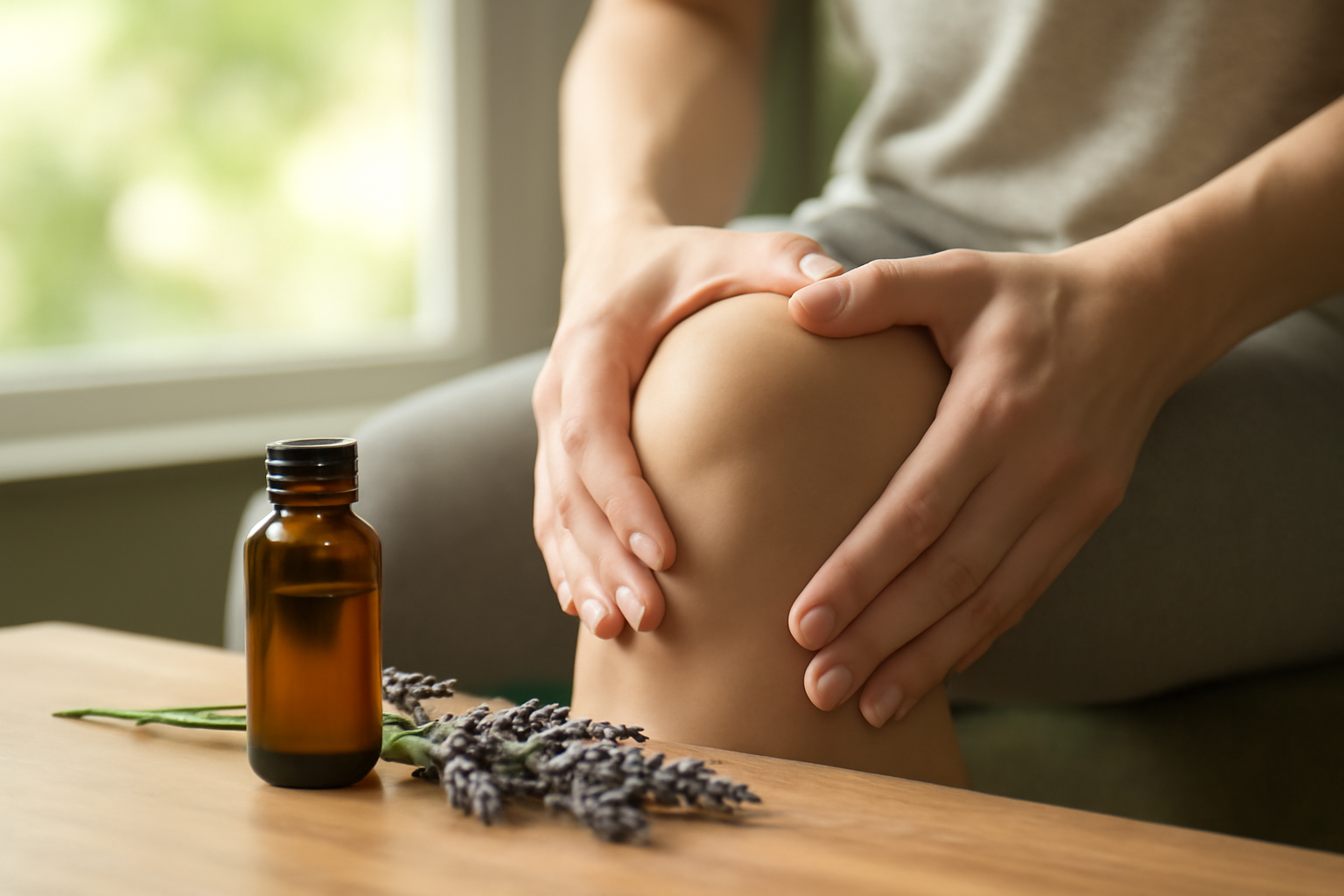
Essential oils work through two main pathways: inhalation and topical application. When you inhale certain aromatic compounds, they interact with the olfactory system and may influence how your brain processes pain signals and stress. When applied to the skin (always diluted in a carrier oil), certain oils may help with localized discomfort, circulation, and inflammation.
Research suggests several essential oils contain compounds with anti-inflammatory and analgesic properties. Here’s a breakdown of the ones most relevant for post-sport joint recovery:
Eucalyptus Oil
One of the most studied oils for musculoskeletal discomfort, eucalyptus contains 1,8-cineole, a compound that research suggests may help reduce inflammation and pain perception. Many athletes use it post-workout as part of a massage blend or diffuser session to ease that deep joint ache.
Frankincense Oil
Frankincense has been used for centuries for joint-related discomfort, and modern research is starting to back up why. It contains boswellic acids that may help inhibit inflammatory enzymes. It’s particularly popular among people dealing with knee and shoulder soreness, and many people find significant relief when it’s applied topically to affected areas.
Peppermint Oil
The cooling sensation of peppermint comes from menthol, which may help interrupt pain signals at the site of application. It’s a go-to for immediate post-exercise soreness and works beautifully in roll-on blends designed for active recovery.
Lavender Oil
Don’t underestimate lavender just because it’s associated with relaxation. Research suggests it has mild analgesic and anti-inflammatory properties, and its calming effect on the nervous system may help your body shift into genuine recovery mode — which is when real healing happens.
Myrrh Oil
Often paired with frankincense, myrrh is a powerful anti-inflammatory ally. The combination of frankincense and myrrh has a long history of use for joint and connective tissue discomfort, and the two oils appear to work synergistically when applied together.
Products Worth Trying for Your Recovery Routine
Here are the specific products I’d recommend based on quality, ease of use, and real-world feedback from active individuals:
For Diffusing During Post-Workout Cool Down or Sleep
Diffusing essential oils while you cool down or sleep may support your body’s recovery by promoting relaxation and reducing stress hormones that can worsen inflammation. These are three solid options at different price points:
- InnoGear Aromatherapy Diffuser with 10 Essential Oils Set (400ml) — This one is an excellent starter kit because it comes with ten essential oils right out of the box, including blends that are well-suited for recovery. The ultrasonic diffuser runs quietly and includes four timer settings, which is great for overnight use. If you’re new to aromatherapy for joint pain support, this is where I’d start.
- ASAKUKI 500ML Essential Oil Diffuser with Remote Control — The larger 500ml capacity means it runs longer between refills, which is a real plus if you want it going through a full night’s sleep. The remote control feature is a small luxury that actually makes a difference when you’re sore and don’t want to get up to adjust settings. It also doubles as a humidifier, which can benefit stiff joints, especially during dry seasons.
- Homeweeks 300ml Wood Grain Essential Oil Diffuser — If aesthetics matter to you (and for something sitting in your bedroom, they often do), this one has a beautiful natural wood grain finish that looks like it belongs there. Quiet operation, remote control, and a timer make it just as functional as it is attractive.
For Direct Topical Application to Sore Joints
Topical application gets essential oils right to the source of discomfort. These two options are specifically formulated for joint and muscle recovery:
- Frankincense & Myrrh Arthritis Pain Relief Rubbing Oil (2 fl. oz.) — This one combines two of the most research-backed oils for joint discomfort in a ready-to-use formula. Many people find it helpful for knees, shoulders, lower back, and hands. The rubbing oil format makes it easy to apply and massage directly into sore areas before or after activity. The frankincense and myrrh combination may help address both inflammation and pain perception at the local level.
- Nexon Botanics Muscle Relief Essential Oil Roll-On (10ml) — The roll-on format is perfect for athletes. It’s portable, mess-free, and pre-diluted so you can apply it directly without needing a carrier oil on hand. The blend targets sore muscles and aching joints, and the easy roller applicator means you can use it on the sidelines, in the locker room, or right after a game without any fuss.
Tips for Getting the Most Out of Your Aromatherapy Routine
A few practical guidelines that will help you use essential oils safely and effectively as part of your sports recovery:
- Always dilute properly. If you’re working with pure essential oils (not pre-diluted products), mix them in a carrier oil like coconut, jojoba, or sweet almond oil before applying to skin. A safe