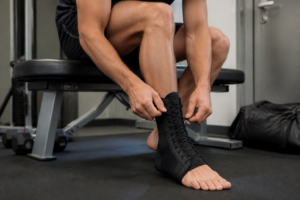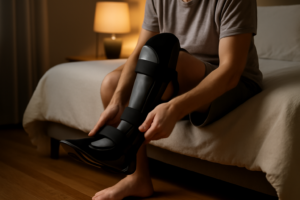

You know that feeling — you’ve been on your feet all day, and by the time you finally sit down, your feet are throbbing, your ankles feel stiff, and even taking your shoes off hurts. Maybe it happens after a long shift at work, a day of running errands, or a weekend hike you thought your body was ready for. If that sounds familiar, you’re not alone. Foot and ankle discomfort is one of the most common complaints I hear, and the good news is that foot joint pain prevention doesn’t have to be complicated. With the right habits and a few smart tools, most people can feel a meaningful difference — often faster than they expect.
Why Your Feet Take Such a Beating
Think about what your feet actually do every single day. Each foot contains 26 bones, 33 joints, and over 100 muscles, tendons, and ligaments. When you walk, your feet absorb a force roughly equal to 1.5 times your body weight with every step. Over the course of a day, that adds up to hundreds of thousands of pounds of cumulative stress. It’s honestly remarkable that our feet hold up as well as they do — but it also explains why the joints in our feet and ankles are so vulnerable to wear and inflammation over time.
A few of the most common culprits behind foot and ankle joint pain include unsupportive footwear, prolonged standing on hard surfaces, sudden increases in activity, excess body weight, and simply the natural aging of cartilage and connective tissue. Conditions like plantar fasciitis, Achilles tendonitis, and osteoarthritis in the small foot joints are all tied back to these same root causes. The encouraging part? Most of them are at least partially addressable through lifestyle changes and the right supportive gear.
Practical Foot Joint Pain Prevention Strategies That Actually Work
1. Prioritize Supportive Footwear Every Single Day
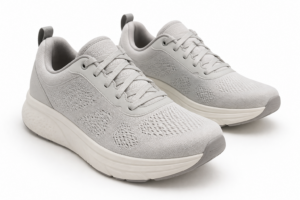
I can’t overstate this one. The shoes you wear are probably the single biggest controllable factor in how your foot joints feel day to day. Shoes with poor arch support, thin soles, or a narrow toe box force your foot into unnatural positions and place uneven stress on the joints. Many people find relief simply by switching to shoes with a firm midsole, adequate arch support, and enough room for the toes to spread naturally. This is especially important if you spend hours standing on concrete or tile floors.
Research suggests that footwear modifications, including insoles and orthotics, may help reduce joint load and lower extremity pain in people who spend extended time on their feet. Even if you’re not ready to overhaul your entire shoe wardrobe, adding a quality insole to what you already own is a fast, affordable starting point.
2. Stretch and Strengthen Your Feet Daily
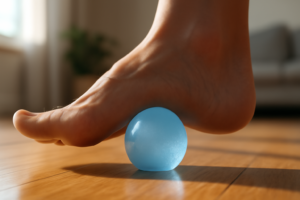
Tight calves, weak intrinsic foot muscles, and stiff ankle joints all contribute to foot pain over time. A short daily stretching routine can go a long way. Some moves worth trying include:
- Calf stretches against a wall — hold 30 seconds on each side, two to three times daily
- Towel toe curls — place a towel flat on the floor and scrunch it with your toes to strengthen the arch
- Ankle circles — rotate each ankle slowly in both directions to maintain joint mobility
- Plantar fascia stretch — pull your toes back gently toward your shin before getting out of bed in the morning
These don’t require any equipment and take about five minutes total. Many people who are consistent with these exercises report noticeable improvement in morning stiffness and end-of-day aching within a few weeks.
3. Manage Load and Recovery Smartly
One of the most common mistakes people make is doing too much too soon. Whether you’re starting a new exercise routine, picking up extra shifts at work, or just suddenly spending more time on your feet than usual, your foot joints need time to adapt. Gradual increases in activity — generally no more than a 10 percent jump in weekly volume — may help reduce the risk of overuse injuries. On high-demand days, elevating your feet in the evening and applying ice for 15–20 minutes can help calm any lingering inflammation.
Products Worth Trying for Everyday Foot Joint Support
I always encourage people to try the basics first — stretching, better shoes, activity pacing. But there are some affordable products that many people find genuinely helpful as part of a broader foot care routine. Here are a few I feel comfortable recommending:
The Insole That Actually Addresses End-of-Day Foot Fatigue
If your feet are throbbing by evening but you don’t have a specific diagnosis like plantar fasciitis, the problem often comes down to poor arch support and impact shock throughout the day. A quality insole with gel cushioning can reduce that constant compression on your foot joints and distribute pressure more evenly—which means less pain when you finally take your shoes off.
What works
- The gel layer absorbs impact shock at the heel and ball of the foot, where most daily pressure accumulates—research on gel-based insoles shows measurable reduction in plantar pressure during prolonged standing.
- The arch support is firm enough to prevent your foot from rolling inward excessively (overpronation), which is often the silent culprit behind cumulative foot and ankle stiffness.
- They fit in most work shoes and everyday footwear without adding bulk, so you’re actually likely to keep wearing them—which matters more than having the “perfect” insole you abandon after a week.
What doesn’t
- If you have actual plantar fasciitis or diagnosed structural issues, a basic insole isn’t a substitute for custom orthotics or physical therapy—this is preventive support, not corrective treatment.
- Results take time; you won’t notice a difference in the first day or two, and your feet may feel slightly sore for the first week as they adjust to better support (this is normal, not a sign it’s not working).
The reality is that no insole is going to fix poor footwear choices or habits—if you’re spending eight hours a day in shoes that don’t fit well, even good arch support can only do so much. That said, Dr. Scholl’s Work All-Day Superior Comfort Insoles with Massaging Gel is affordable enough to try without risk, and most people notice a meaningful difference in daily foot fatigue within 2–3 weeks.
About This Article

Written by Michael Torres. Michael Torres has had joint problems his whole life — hypermobile as a kid, chronic sprains and a dislocating shoulder through his twenties, an osteoarthritis diagnosis in his early fifties, and a right knee replacement since. He is not a doctor or a physical therapist and has no clinical training. He writes about what has helped him and what he has watched help the people around him, and says plainly when he has not tried something himself. More about this site.
Scope and limits. Michael has no medical or clinical training — he writes about living with his own joint pain, not about treating anyone else's. Nothing here is medical advice. Talk to a doctor before starting anything new, and get seen promptly for pain that is new, severe, worsening, or comes with swelling, fever, or numbness.
Verify this against a primary source
Specifics change, and your situation may differ from the one described here. These are the authorities worth checking directly:
- NIAMS — arthritis and musculoskeletal research from the NIH
- MedlinePlus — plain-language medical reference from the NIH
- Arthritis Foundation — condition guides and treatment overviews