
- Stand up and move for two minutes every 30–45 minutes if you sit at a desk
- Take the stairs instead of the elevator when your joints allow
- Gently roll your ankles and wrists while watching TV in the evening
- Stay hyd
You wake up in the morning, swing your legs over the side of the bed, and the moment your feet hit the floor — there it is. That familiar stiffness in your knees, hips, or ankles that makes the first few steps feel like you’re walking through cement. Sound familiar? You’re not alone. Millions of people deal with joint discomfort daily, and one of the most common questions I hear is: “Should I even be exercising?” The short answer is yes — but the how matters enormously. Incorporating consistent low-impact exercise for joints into your daily routine may be one of the most effective and sustainable things you can do to support long-term joint health without making things worse.
Affiliate disclosure: This post contains affiliate links. As an Amazon Associate, I earn from qualifying purchases. This means I may earn a small commission if you click through and make a purchase — at no extra cost to you. I only recommend products I believe may genuinely support your wellness journey.
Why Movement Is Medicine for Your Joints
I know it can feel counterintuitive. When your knees ache or your hips feel tight, the last thing you want to do is move. But here’s what research and years of observing patients has taught me: rest alone is rarely the answer. Joints are nourished through movement. The cartilage in your joints doesn’t have its own direct blood supply — it absorbs nutrients and flushes out waste through the compression and release that happens when you move. When you stay sedentary, that process slows down significantly.
Research suggests that regular, gentle movement may help reduce joint inflammation, improve the strength of the surrounding muscles that support your joints, and even slow cartilage breakdown over time. The key word here is gentle. High-impact activities like running on pavement or jumping exercises can place significant stress on joints that are already struggling. That’s exactly where low-impact alternatives shine.
Low-Impact Exercise for Joints: The Best Daily Habits to Build
Not all low-impact exercise is created equal, and what works beautifully for one person might not feel right for another. Here are some of the most joint-friendly movement habits worth building into your day — and why they work.
Walking on Softer Surfaces
Walking is underrated. A brisk 20–30 minute walk on grass, a rubberized track, or even a treadmill places far less impact on your joints than pavement or concrete. Many people find that consistent daily walking — even short distances — helps reduce morning stiffness over time. Start where you are. Ten minutes counts.
Swimming and Water Aerobics
Water exercise is genuinely one of the best things you can do for aching joints. The buoyancy of water reduces the load on your hips, knees, and spine by up to 90%, while still allowing you to build strength and cardiovascular fitness. If you have access to a pool, even gentle laps or a water aerobics class a few times a week may make a noticeable difference.
Cycling (Stationary or Outdoors)
Cycling puts your joints through a full range of motion without the pounding of running. A stationary bike is especially useful because you can control resistance and avoid uneven terrain. Many people with knee discomfort find cycling more comfortable than walking, particularly when the seat height is properly adjusted so your leg extends nearly fully at the bottom of the pedal stroke.
Yoga and Gentle Stretching
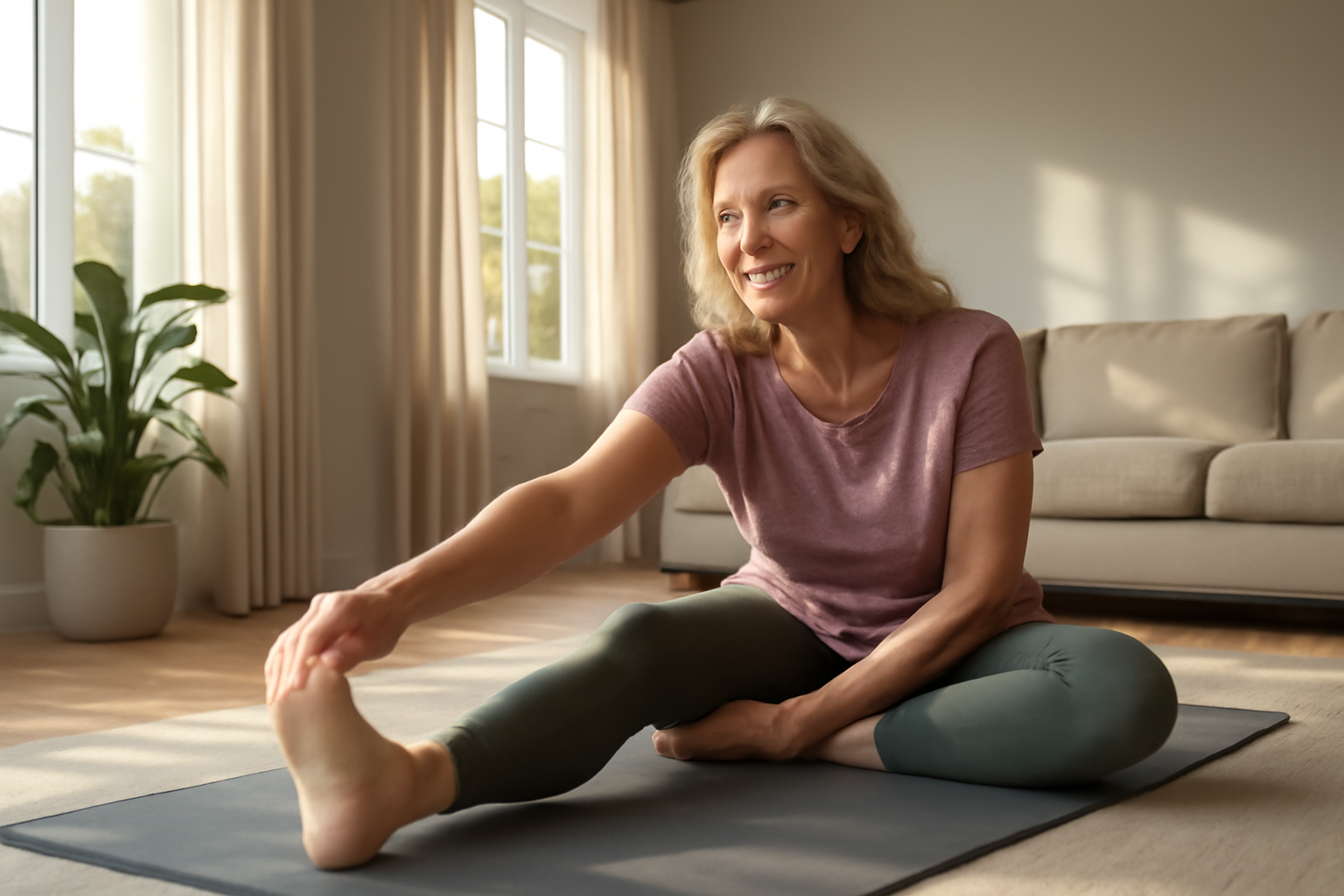
Flexibility and joint mobility go hand in hand. Yoga — particularly restorative or gentle yoga styles — may help maintain range of motion, reduce stiffness, and strengthen the stabilizing muscles around your joints. Even 10–15 minutes of mindful stretching in the morning or evening can set a positive tone for how your joints feel throughout the day.
Resistance Training with Bands or Light Weights
Strengthening the muscles that surround and support your joints is one of the most protective things you can do. Strong quadriceps take pressure off the knee joint. Strong glutes protect the hip. Resistance bands are a fantastic low-impact tool because they allow controlled, smooth movement without the jarring load of heavy weights. Start light, prioritize form, and build gradually.
Products Worth Trying to Support Your Joint Health Routine
Beyond movement itself, there are a few supportive tools that many people find helpful as part of a broader joint health strategy. Here are some worth considering.
Monitor Your Cardiovascular Health Alongside Your Exercise Routine
One thing that often gets overlooked is the connection between cardiovascular health and joint health. Inflammation that affects your joints can also affect your heart and blood pressure. If you’re starting a new exercise habit, tracking your blood pressure at home is a smart, proactive move — especially if you’re managing other health concerns. Having a reliable home monitor makes this easy to do consistently.
The Oklar Rechargeable Wrist Blood Pressure Monitor is a popular option with an LED backlit display, voice broadcast feature, and 240-reading memory storage for two users — making it easy for couples or household members to share. It also comes with a carrying case, which is convenient if you travel. Similarly, the Oklar Wrist BP Monitor in Blue offers the same solid feature set with a different color option if that matters to you.
If you prefer a larger display that’s easier to read at a glance, the MMIZOO Wrist Blood Pressure Monitor features a large LCD screen, an adjustable cuff, and 99×2 sets of memory storage — a solid, budget-friendly option for home monitoring.
Omega-3 Supplements for Inflammation Support
Research suggests that omega-3 fatty acids may help support a healthy inflammatory response in the body — which is relevant for joint comfort. Many people find that adding a daily fish oil supplement to their routine, alongside regular movement, makes a meaningful difference over time. As always, talk with your doctor before starting any supplement, especially if you take blood thinners.
Nature’s Bounty Fish Oil Omega-3 (1200mg, 200 Softgels) is a widely trusted, affordable option that’s easy to find and even easier to add to your daily routine. For those who want a higher-potency option, Sports Research Triple Strength Omega-3 Fish Oil (1250mg) is sourced from wild Alaskan Pollock, is MSC-certified sustainable, non-GMO, and soy-free — a great pick if ingredient quality is a priority for you.
Small Daily Habits That Make a Big Difference
Beyond formal exercise sessions, the small movement habits you build throughout your day matter just as much. Here are a few simple ones to weave in:
- Stand up and move for two minutes every 30–45 minutes if you sit at a desk
- Take the stairs instead of the elevator when your joints allow
- Gently roll your ankles and wrists while watching TV in the evening
- Stay hyd