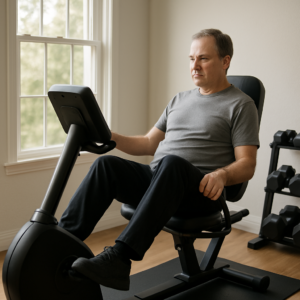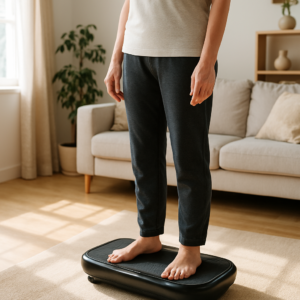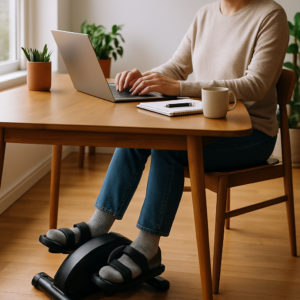


You wake up stiff, shuffle to the bathroom, and somewhere between the bedroom and the coffee maker, you notice that your knees ache, your hips feel locked up, and honestly — you just feel down. Sound familiar? If you live with chronic joint discomfort, that morning ritual probably feels all too real. What many people don’t realize is that the physical pain and the emotional heaviness often feed each other in a frustrating loop. The good news? Research suggests that low-impact exercise for joint pain may help break that cycle — lifting your mood while gently easing the stiffness that started your day on the wrong foot.
The Connection Between Joint Pain and Low Mood
Here’s something I want you to hear, because it took me a long time to fully appreciate it as someone who works closely with people managing chronic pain: feeling depressed or anxious when your joints hurt is not weakness. It’s physiology. Persistent pain triggers the body’s stress response, elevates cortisol, disrupts sleep, and chips away at the activities that normally bring you joy. When you can’t walk the dog, play with your grandkids, or even get through the grocery store without discomfort, your world gets smaller — and your mood follows.
According to research highlighted by Apex Medical Center, depression and chronic pain frequently co-occur, and each condition can make the other worse. Inflammation — a major driver of joint pain in conditions like osteoarthritis and rheumatoid arthritis — has also been linked to changes in brain chemistry that affect mood regulation. In other words, your aching knees and your low spirits may literally share the same biological roots. That’s important, because it means addressing one can meaningfully support the other.
Why Low-Impact Exercise Is the Sweet Spot for Joint Pain Relief and Mood Support
When I tell patients to exercise more, the most common response I get is a look of pure skepticism — sometimes outright horror. “Move more? My joints already hurt.” I completely understand that reaction. But here’s the distinction that changes everything: not all exercise is created equal. High-impact activities like running or jumping can put stress on already-compromised cartilage. Low-impact exercise, on the other hand, keeps you moving without pounding your joints, and that distinction matters enormously.
Low-impact exercise for joint pain — think swimming, water aerobics, cycling, yoga, tai chi, and brisk walking — may help in several meaningful ways:
- Lubricates the joints. Movement encourages synovial fluid circulation, which acts like WD-40 for your cartilage. Many people find that gentle, consistent movement actually reduces morning stiffness over time.
- Strengthens supporting muscles. When the muscles around a joint are stronger, they absorb more of the load — taking pressure off the joint itself. This is especially impactful for knees and hips.
- Triggers endorphin release. Exercise stimulates your brain’s natural feel-good chemicals. Research suggests even moderate-intensity, low-impact sessions may meaningfully reduce symptoms of anxiety and depression.
- Reduces inflammatory markers. Regular moderate exercise has been associated with lower levels of certain inflammatory proteins, which may benefit both joint health and mood.
- Improves sleep quality. Better sleep is one of the most underrated tools for both pain management and emotional resilience — and low-impact movement may help you get there.
Even 20 to 30 minutes of gentle movement most days of the week can make a noticeable difference. You don’t need a gym membership or a complicated program. A slow walk around the block counts. A chair yoga video on YouTube counts. Pool noodles in shallow water absolutely count.
Getting Started: Practical Tips to Move More with Less Pain
Starting — or restarting — an exercise habit when your joints are painful requires some strategy. Here’s what I recommend to people I work with:
Start Smaller Than You Think You Need To
Seriously. Five minutes is a legitimate starting point. The goal at first isn’t fitness — it’s building the habit and proving to your nervous system that movement is safe. Gradually increase duration and intensity over weeks, not days.
Warm Up Every Single Time
Cold joints don’t like sudden demands. Spend five minutes doing gentle range-of-motion movements before any session. Ankle circles, gentle shoulder rolls, slow knee bends — these signal your joints to prepare rather than brace.
Try Water-Based Exercise First
If land-based movement still feels too painful, water is your best friend. The buoyancy reduces the load on your joints by up to 90 percent in chest-deep water, which means many people who can’t walk pain-free on land move comfortably in a pool. Many community centers offer affordable aquatic classes specifically for people with arthritis.
Pay Attention to the Difference Between Pain and Discomfort
Some muscle fatigue and mild achiness after exercise is normal and okay. Sharp, stabbing, or worsening joint pain is a signal to stop and reassess. Always listen to your body, and loop in your doctor or physical therapist if you’re unsure what’s normal for your situation.
Products Worth Trying: Supporting Your Mood While You Build the Habit
Here’s something I always tell people: exercise is powerful, but it doesn’t have to carry the full load alone — especially in the early weeks when stress and anxiety about pain can make it hard to stay consistent. Managing your stress response during this transition may make it easier to stick with movement long enough to feel the benefits. A few supplements have research-backed ingredients that many people find helpful for supporting a calmer mood and restful sleep. These are not replacements for professional mental health care, but as part of a broader wellness routine, they may offer some gentle support.
Supporting Mood Stability When Joint Pain Makes Movement Harder
When chronic joint discomfort keeps you from moving, mood often takes a hit — and that low mood can make you less likely to do the gentle exercise that actually helps both your joints and your mental state. A stress-support supplement can help break that cycle, especially during the first few weeks when you’re building a new movement routine and your body hasn’t yet experienced the mood lift that consistent activity provides.
What works
- OLLY’s formula includes L-theanine and lemon balm, ingredients with research support for promoting calm without sedation — useful when anxiety around movement or pain is part of the picture.
- The gummy format makes consistency easier; most people report a noticeable shift in overall tension after 3–5 days of regular use, which can remove one mental barrier to starting low-impact exercise.
- Unlike some stress supplements, this one doesn’t cause afternoon energy crashes, so it won’t interfere with your ability to do evening stretching or walking routines.
What doesn’t
- This is a mood support, not a pain reliever — it won’t reduce joint inflammation or physical stiffness. You still need the movement piece to address the underlying joint issue.
- If you’re on SSRIs or other psychiatric medications, check with your doctor first; some of these ingredients can interact, and results vary widely depending on your individual brain chemistry.
Stress supplements work best as a bridge tool while you’re establishing a new exercise habit — they’re not a long-term replacement for the mood benefits that low-impact movement actually delivers.
About This Article

Written by Michael Torres. Michael Torres has had joint problems his whole life — hypermobile as a kid, chronic sprains and a dislocating shoulder through his twenties, an osteoarthritis diagnosis in his early fifties, and a right knee replacement since. He is not a doctor or a physical therapist and has no clinical training. He writes about what has helped him and what he has watched help the people around him, and says plainly when he has not tried something himself. More about this site.
Scope and limits. Michael has no medical or clinical training — he writes about living with his own joint pain, not about treating anyone else's. Nothing here is medical advice. Talk to a doctor before starting anything new, and get seen promptly for pain that is new, severe, worsening, or comes with swelling, fever, or numbness.
Verify this against a primary source
Specifics change, and your situation may differ from the one described here. These are the authorities worth checking directly:
- NIAMS — arthritis and musculoskeletal research from the NIH
- MedlinePlus — plain-language medical reference from the NIH
- Arthritis Foundation — condition guides and treatment overviews