
- Aquatic exercise:
You wake up in the morning, swing your legs over the side of the bed, and the moment your feet hit the floor — there it is. That deep, achy stiffness in your ankles that makes the first few steps of the day feel like you’re walking on gravel. If you’re managing diabetes, this experience is frustratingly common, and what you’re feeling may well be diabetes ankle joint pain — a real, documented consequence of how elevated blood sugar affects the joints, nerves, and soft tissues in your lower extremities. You’re not imagining it, and you’re definitely not alone.
Affiliate disclosure: This post contains affiliate links. As an Amazon Associate, I earn from qualifying purchases. This means I may earn a small commission if you click through and make a purchase — at no extra cost to you. I only recommend products I genuinely believe may help support your comfort and joint health.
Why Diabetes and Ankle Joint Pain Go Hand in Hand
Here’s what’s actually happening inside your body. Chronically elevated blood glucose can damage small blood vessels and nerves over time — a process called diabetic neuropathy and peripheral vascular disease. When circulation to the feet and ankles is reduced, the joints don’t receive adequate oxygen and nutrients. The soft tissues around the ankle — cartilage, tendons, and ligaments — become stiffer and more vulnerable to inflammation. Many people with diabetes also experience a condition called diabetic cheiroarthropathy, where connective tissue throughout the body, including around the ankle joints, thickens and tightens.
On top of that, nerve damage can alter the way you walk without you even realizing it. You may unconsciously shift your weight to compensate for numbness or tingling, placing unusual stress on the ankle joint over months and years. Research suggests this mechanical imbalance contributes significantly to joint degeneration and chronic ankle pain in people with diabetes.
Understanding the “why” is genuinely empowering. It means there are real, targeted strategies you can use every single day — not just painkillers and hope.
Daily Habits That May Protect Your Ankle Joints
Start With Gentle Morning Mobility Work
Before you take that first painful step, spend two to three minutes in bed doing ankle circles, flexing your foot up and down, and gently rotating each ankle ten times in each direction. This warms up the synovial fluid in the joint and signals blood flow back into the area. Many people find this simple habit dramatically reduces that “gravel underfoot” feeling in the morning. It costs nothing and takes less time than brewing your coffee.
Prioritize Blood Sugar Stability Throughout the Day
I know this feels obvious, but I want to frame it specifically for joint health: every spike and crash in your blood glucose creates an inflammatory environment that may accelerate joint tissue breakdown. Working closely with your healthcare provider to stabilize glucose levels isn’t just about heart and kidney health — it’s one of the most direct things you can do to slow the progression of ankle joint damage over time.
Inspect Your Feet Every Evening
Neuropathy can mask pain signals, meaning a small wound, blister, or pressure sore can go unnoticed until it becomes serious. A nightly foot check — looking at the tops, bottoms, between the toes, and around the ankles — takes under two minutes and can prevent complications that would otherwise devastate joint health and mobility long-term.
Choose Supportive Footwear Consistently
Your footwear choices directly affect ankle joint loading. Shoes with a wide toe box, cushioned midsole, and firm heel counter distribute pressure more evenly across the foot and reduce the torque placed on ankle joints with every step. Avoid walking barefoot on hard floors — even around the house — as this removes any shock absorption your ankles depend on.
Products Worth Trying for Diabetes-Related Ankle and Foot Comfort
Let me be straightforward here: no sock or sleeve will cure joint pain. But the right products may meaningfully support circulation, reduce swelling, and protect vulnerable tissue — all of which matter enormously when you’re managing diabetes. Here are five options that many people find genuinely helpful.
For Everyday Circulation Support
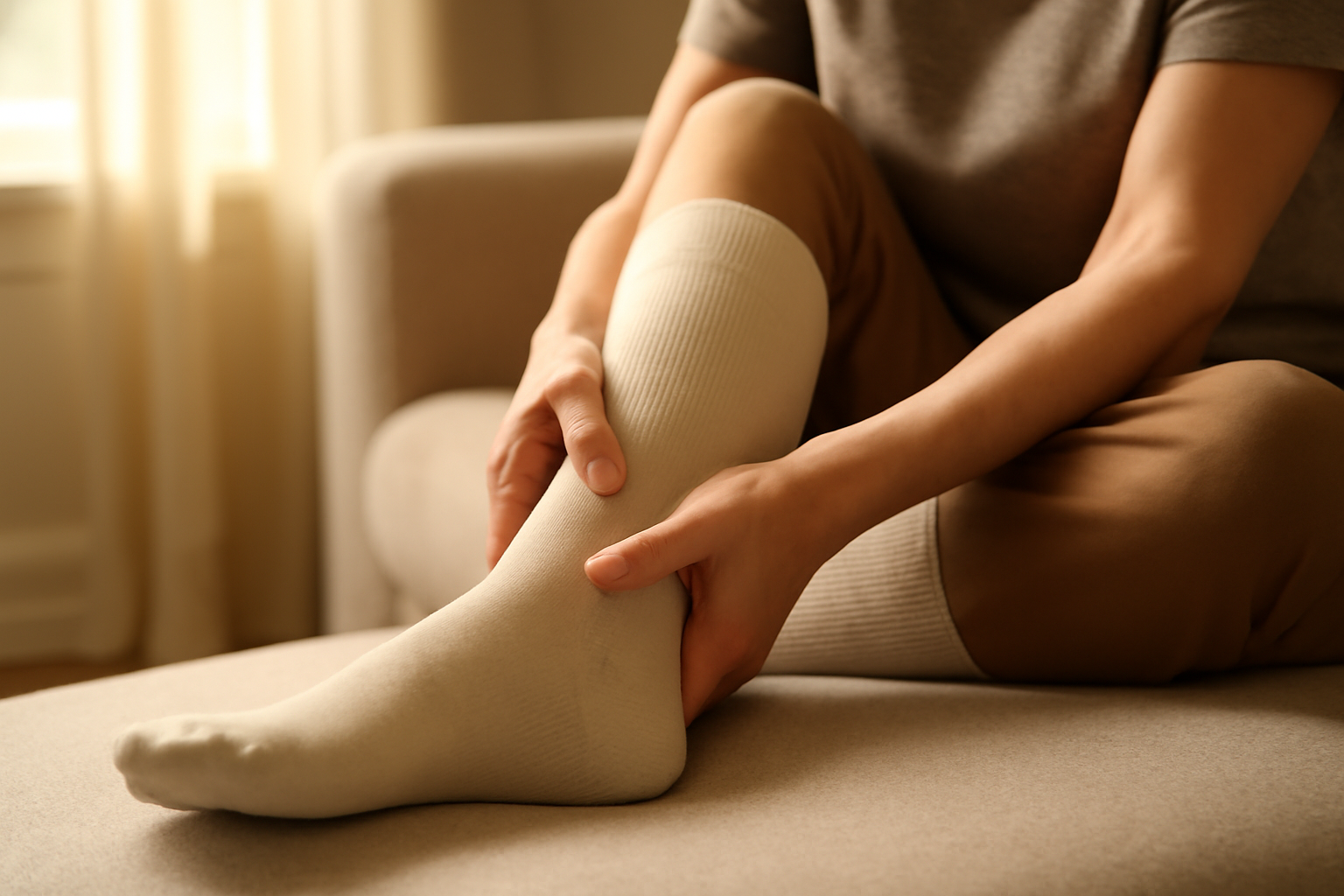
If you’re looking for an accessible, everyday compression option, the CHARMKING Compression Socks (8 Pairs, 15-20 mmHg) are a solid starting point. At 15-20 mmHg of graduated compression, they provide gentle but meaningful support to encourage blood flow back up from the feet and ankles. The copper-infused fabric and knee-high design make them a comfortable all-day option, and getting eight pairs means you can rotate them through the week without thinking twice. Many nurses and people who stand or sit for long periods swear by this compression range for reducing end-of-day ankle swelling.
If you need something specifically formulated for diabetic foot needs, Dr. Scholl’s Diabetes & Circulatory Non-Binding Socks are worth considering. These are designed with a non-binding top band — critical for people with diabetes, since restrictive sock bands can impair already-compromised circulation. The moisture management fabric also helps reduce the risk of skin breakdown, which is especially important around the ankle area where skin can become fragile.
For Higher Compression and Active Days
On days when you’re more active — walking, traveling, or spending long hours on your feet — the FITRELL 3 Pairs Compression Socks (20-30 mmHg) offer a firmer level of graduated compression. Research suggests that 20-30 mmHg compression may provide more significant support for reducing edema and improving venous return in people with circulatory challenges. These come in a practical three-pack with different color options and are well-reviewed for holding their compression through repeated washing.
For Neuropathy-Specific Relief
If tingling, burning, or numbness in your feet is part of your picture, toeless compression sleeves may offer a different kind of relief. The BraceAbility Neuropathy Socks — Peripheral Neuritis Compression Diabetic Toeless Foot Sleeves are specifically designed for nerve-related foot pain. The open-toe design means sensitive toe tips aren’t compressed, while the sleeve still wraps and supports the ankle and arch. Many people find the targeted compression around the ankle and midfoot helps calm that uncomfortable “electric” sensation that comes with peripheral neuropathy.
A similar option worth comparing is the 3 Pairs Neuropathy Toeless Compression Socks for Women and Men. These open-toe foot compression sleeves provide arch and ankle support while leaving the toes free — helpful for people whose toe sensitivity makes closed-toe socks uncomfortable. The three-pair pack makes them easy to rotate and keep clean, and the arch support component may help correct the subtle gait imbalances that contribute to ankle joint stress over time.
A Few More Things That May Help Long-Term
- Aquatic exercise: