
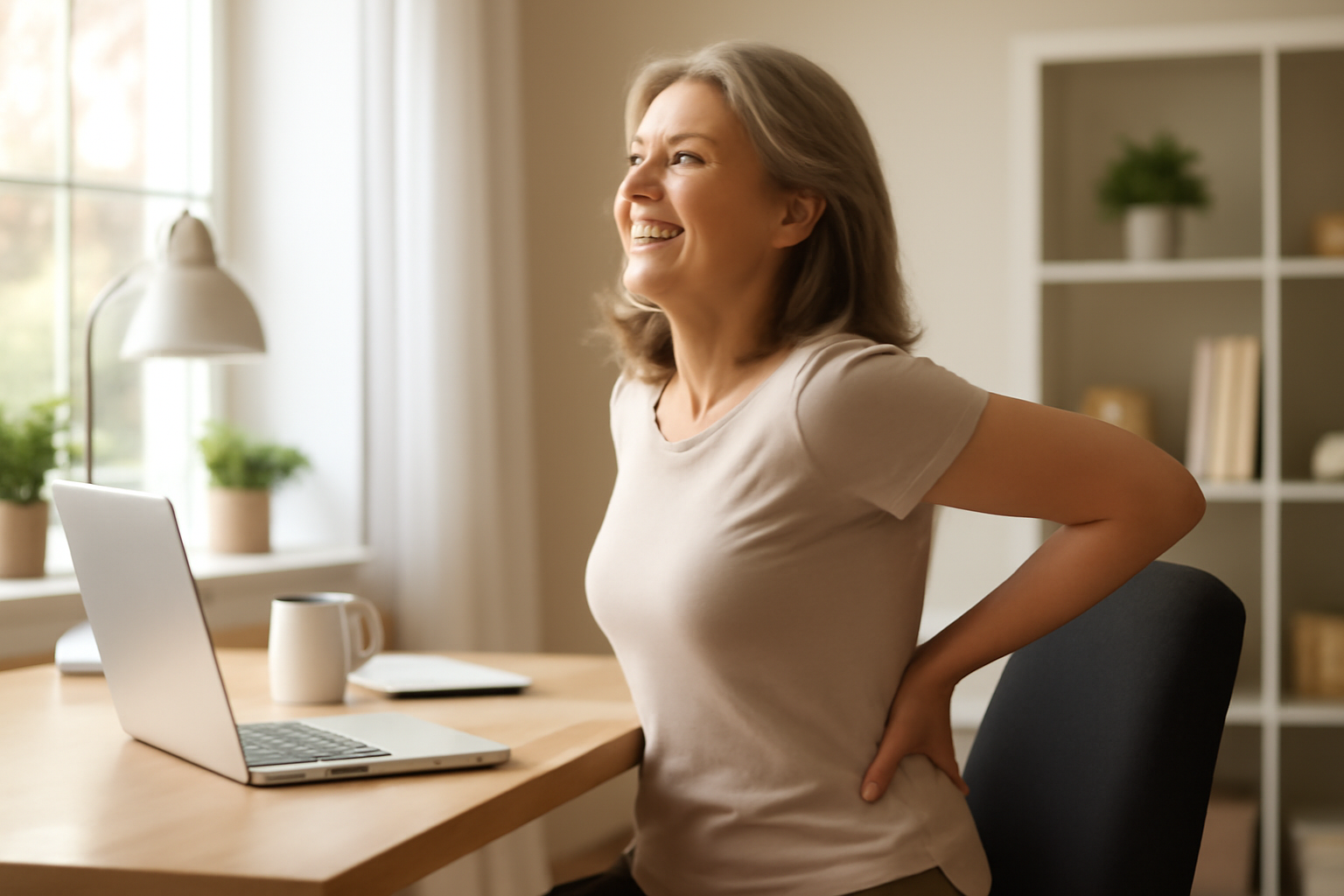
You wake up, swing your legs over the side of the bed, and feel that familiar stiffness in your lower back and hips. Sound familiar? Maybe you chalk it up to getting older or sleeping in a weird position. But here’s the truth I share with patients all the time: that daily discomfort is often the result of small, repeated habits that quietly chip away at your back and hip joint health over weeks, months, and years. The good news? Once you know what those habits are, you can actually do something about them.
Affiliate Disclosure: This post contains affiliate links. As an Amazon Associate, I earn from qualifying purchases. This helps support the site at no extra cost to you — thank you!
Why Your Daily Routine May Be the Real Culprit
Most people assume joint pain comes from a dramatic injury — a fall, an accident, a heavy lift gone wrong. And sometimes it does. But far more often, I see discomfort that builds gradually from lifestyle patterns that seem completely harmless. The spine and hips are deeply connected structures, and both are sensitive to the cumulative stress of everyday choices. Let’s walk through seven of the most common habits that may be working against you — and what you can realistically do to change them.
7 Habits That May Be Hurting Your Back and Hip Joint Health
1. Sitting for Long Stretches Without Moving
Prolonged sitting is one of the most well-documented contributors to lower back and hip discomfort. When you stay seated for hours, your hip flexors shorten, your glutes essentially “switch off,” and the lumbar spine loses its natural curve. Research suggests that breaking up sitting time every 30 to 45 minutes with even a brief walk or stretch may significantly reduce strain on spinal structures. Set a phone timer if you have to — your joints will thank you.
2. Sitting on a Flat, Unsupportive Surface
It’s not just about how long you sit — it’s about what you’re sitting on. Hard, flat chairs with no contouring force your pelvis into a tucked position, which flattens the lumbar curve and compresses the discs. Many people find real relief by adding a quality seat cushion to their office chair, car seat, or wheelchair. Two options worth trying are the CushyOasis Gel Seat Cushion, which combines gel and memory foam with an anti-slip base, and the Everlasting Comfort Doctor Recommended Memory Foam Seat Cushion, designed specifically to reduce tailbone pressure and support healthier spinal alignment during long sitting sessions. Both are popular among people dealing with sciatica and general lower back discomfort.
3. Ignoring Your Posture While Standing
Poor standing posture is sneaky. Shifting your weight to one hip, locking your knees, or letting your belly push forward all create uneven loading across the pelvis and lumbar spine. Over time, this imbalance may contribute to chronic tightness and joint irritation. Try standing with your weight evenly distributed, knees soft, and core lightly engaged. It feels strange at first — but it becomes second nature with practice.
4. Skipping Warm-Ups Before Activity
Jumping straight into exercise, yard work, or even heavy housecleaning without warming up puts cold, stiff muscles and joints under sudden demand. The hip joint in particular needs circulation and lubrication before it handles load. A five-minute dynamic warm-up — leg swings, hip circles, gentle cat-cow stretches — may help prepare your body and reduce the risk of strain. Think of it as protecting your investment in staying active.
5. Wearing Unsupportive Footwear
Your feet are the foundation for everything above them. Flat, worn-out shoes or high heels alter the way force travels up through your ankles, knees, hips, and spine. Research suggests that poor foot support can contribute to compensatory movement patterns that place extra stress on the hip and lumbar joints. Investing in supportive footwear — or adding quality insoles — is one of the simplest structural changes you can make for your back and hip comfort.
6. Lifting Without Thinking
We all know we’re “supposed to” lift with our legs, but most of us still bend at the waist when picking something up off the floor — especially light objects we don’t think twice about. The cumulative effect of hundreds of small, poorly-executed lifts each week can overload the lumbar discs and SI joint. Practice hinging at the hips, keeping the load close to your body, and bracing your core before you pick anything up. It sounds overly cautious until the day it saves you from a week of pain.
7. Neglecting Core and Glute Strength
Your lower back and hips don’t work in isolation — they depend on surrounding muscles for stability and support. Weak glutes and an underdeveloped core force your spine and hip joints to absorb stress they were never designed to handle alone. Even 10 to 15 minutes of targeted strengthening exercises a few times per week — think glute bridges, bird-dogs, and dead bugs — may make a meaningful difference in how your joints feel day to day.
Products Worth Trying for Extra Support
Sometimes, while you’re building better habits, a little added support can make the process a whole lot more comfortable. If you deal with lower back pain, sciatica, or disc-related discomfort, a well-fitting back brace may help stabilize the lumbar region during activity and reduce muscle fatigue throughout the day.
The FEATOL Back Brace Support Belt is a highly-rated option that features adjustable support straps and a removable lumbar pad — making it easy to customize the level of compression you need. It works well for both men and women and is designed for use during daily activities, light work, or exercise.
If breathability is a priority — especially during warmer months or physical activity — many people find the Sparthos Back Brace to be a comfortable, effective choice. It comes in two size ranges to ensure a proper fit: the Sparthos Large (fits 44–52″ waist) and the Sparthos Small (fits 31–38″ waist). Both versions include a lumbar support pad and are designed for relief from sciatica, herniated disc discomfort, and general lower back strain. Always check the size chart before ordering to get the best fit and support.
Keep in mind: back braces are intended to complement good movement habits, not replace them. They can be a helpful tool during flare-ups or high-demand activities, but continued strengthening and postural work remains the long-term foundation of joint health.
Small Changes, Real Results for Your Back and Hip Joint Health
Here’s what I want you to walk away with: you don’t have to overhaul your entire life to feel better. Pick one or two habits from this list that resonate most with your daily routine and focus there first. Add a seat cushion to your desk chair. Start setting a movement reminder. Work in five minutes of hip stretches before your morning walk. These aren’t dramatic interventions — but they’re the kind of consistent, intentional choices that genuinely support long-term back and hip joint health. Your body is remarkably adaptable when you give it what it needs. Start small, stay consistent, and keep going.