
You wake up after a weekend barbecue — ribs, potato chips, soda, maybe a little too much dessert — and your knees feel like they’ve aged ten years overnight. Sound familiar? If you’ve ever noticed your joints feeling stiffer or more achy after certain meals, you’re not imagining it. There’s a very real connection between what’s on your plate and how your joints feel the next morning. Understanding which foods that cause joint inflammation are sneaking into your diet is one of the most practical, empowering steps you can take for your joint health — and I want to walk you through it like a friend who’s spent years in physical therapy clinics watching patients transform how they feel simply by cleaning up their eating habits.
Why What You Eat Shows Up in Your Joints
Inflammation is your body’s natural defense response — it’s not always a bad thing. Short-term inflammation helps you heal. But chronic, low-grade inflammation that simmers quietly in the background? That’s where joint pain, stiffness, and cartilage breakdown can start to take hold. And your gut plays a bigger role in this than most people realize.
Your digestive system isn’t just processing food — it’s also communicating with your immune system. When your gut lining becomes irritated or imbalanced, it can trigger systemic inflammation that your joints feel the brunt of. This is why many people who clean up their diet report that their joints feel noticeably better within just a few weeks. It’s not magic. It’s biology.
Foods That Cause Joint Inflammation: The Biggest Offenders
Let’s be real — I’m not here to take all the joy out of eating. But knowing which foods tend to stoke the inflammatory fire gives you the power to make smarter choices on most days, even if you indulge occasionally.
Refined Sugars and High-Fructose Corn Syrup
Sodas, candy, packaged pastries, sweetened cereals — these foods cause rapid spikes in blood sugar, which triggers the release of inflammatory cytokines. Research suggests that high sugar intake may worsen symptoms in people with arthritis. Check your labels, because high-fructose corn syrup hides in places you wouldn’t expect, like salad dressings and bread.
Processed and Fried Foods
French fries, fast food burgers, packaged snack foods — these are typically cooked in oils high in omega-6 fatty acids, which may promote inflammation when consumed in excess relative to omega-3s. Many people find that cutting back on fried and ultra-processed foods leads to noticeably less joint stiffness over time.
Refined Carbohydrates
White bread, white rice, and most conventional pasta behave a lot like sugar in your body. They’re quickly broken down and can spike blood sugar similarly to sweets. Swapping in whole grains like quinoa, oats, and brown rice is a gentle but meaningful shift for your inflammatory load.
Alcohol
Moderate alcohol consumption affects different people differently, but regular or heavy drinking can increase inflammation, disrupt gut health, and interfere with how your body metabolizes medications. If your joints are already struggling, it’s worth paying attention to how your body feels after a night of drinking.
Dairy and Gluten (For Some People)
This one is more individual. Not everyone is sensitive to dairy or gluten, but for those who are, these foods may trigger gut inflammation that radiates outward. If you’ve tried other dietary changes without much relief, a short elimination trial — ideally with guidance from a healthcare provider — may be worth exploring.
What to Eat Instead: Joint-Friendly Foods Worth Stocking Up On
Here’s where I love to flip the conversation, because an anti-inflammatory diet is actually full of delicious, satisfying food. This isn’t about deprivation — it’s about crowding out the bad stuff with things your joints will genuinely thank you for.
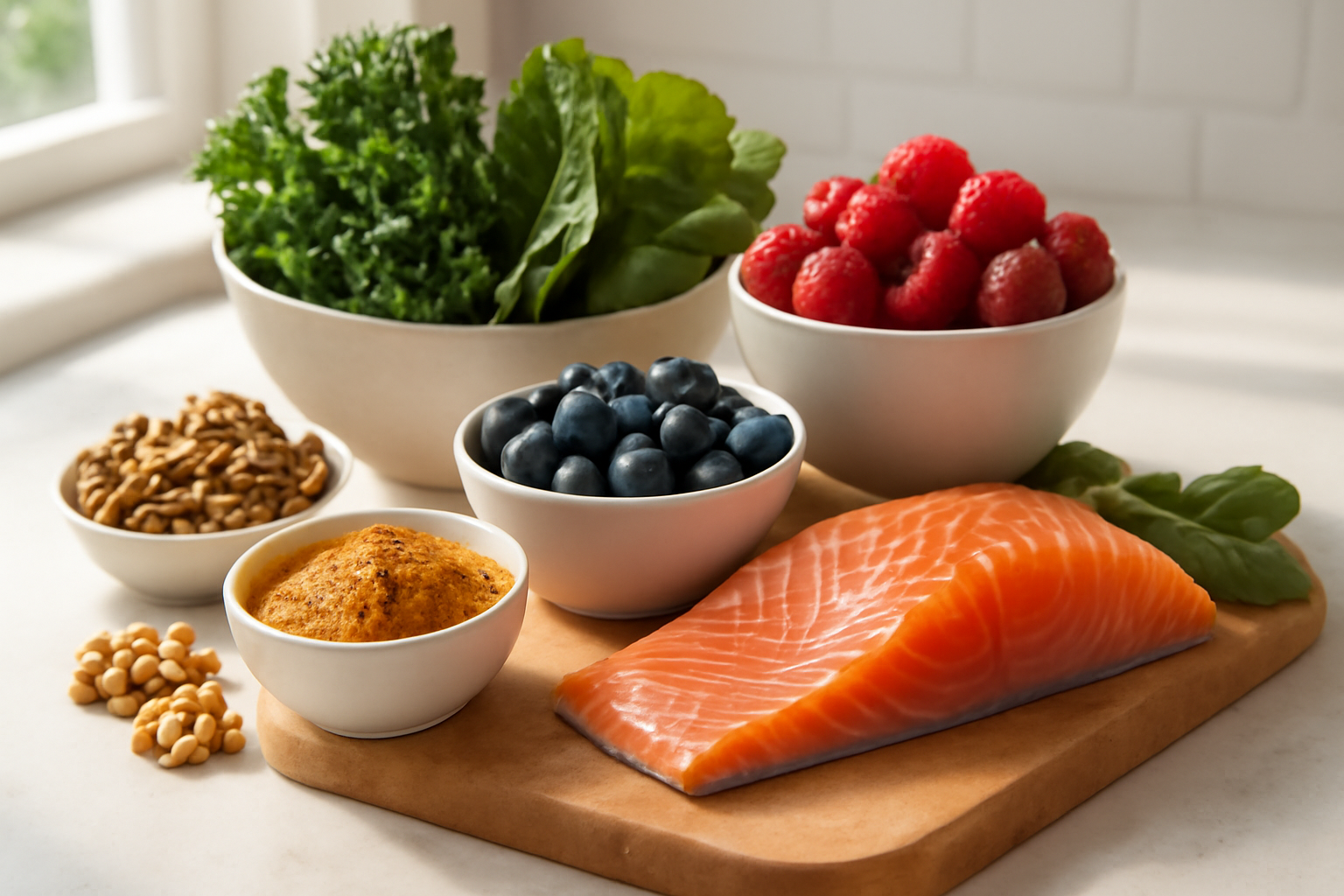
- Fatty fish (salmon, sardines, mackerel) — rich in omega-3 fatty acids, which research suggests may help reduce inflammatory markers in the body.
- Leafy greens (spinach, kale, arugula) — loaded with antioxidants and vitamin K, which may play a role in bone and cartilage health.
- Berries (blueberries, strawberries, cherries) — high in polyphenols and anthocyanins that may help calm inflammatory pathways.
- Olive oil — extra virgin olive oil contains oleocanthal, a compound with properties that research suggests may mimic anti-inflammatory effects.
- Turmeric and ginger — classic anti-inflammatory spices that many people find helpful when used consistently in cooking or as supplements.
- Nuts and seeds (walnuts, flaxseeds, chia seeds) — great plant-based sources of omega-3s and fiber.
- Bone broth — a source of collagen and amino acids that may support joint cartilage over time.
The Gut-Joint Connection: Why Digestive Support Matters
One thing I always mention to patients curious about nutrition and joint health is this: if your gut isn’t breaking down food efficiently, even a healthy diet won’t deliver its full benefit. Poor digestion can lead to partially digested food particles triggering immune responses — and that low-grade immune activation may contribute to joint inflammation over time.
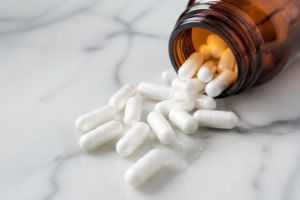
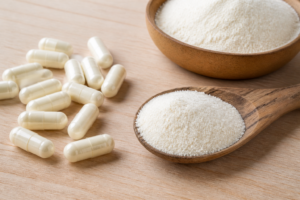
Supporting your gut health with a balanced diet, fermented foods, and high-fiber whole foods is a great foundation. Some people also find that adding digestive enzymes or a quality probiotic helps them absorb nutrients more effectively and reduces the bloating and gut stress that can accompany dietary changes.
Products Worth Trying: Gut and Digestive Support
I want to be upfront: these are not cures, and no supplement will undo a consistently poor diet. But for many people, adding targeted digestive support alongside dietary changes may help the whole system work more smoothly. Here are a few options I think are worth considering:
Digestive Enzymes: Fixing Absorption When Your Gut Can’t Break Down Anti-Inflammatory Foods
Here’s what most people miss: you can eat all the right anti-inflammatory foods, but if your digestion isn’t working properly, your body won’t absorb the compounds that actually reduce joint inflammation. If you’ve noticed bloating, slow digestion, or joint flare-ups even after cleaning up your diet, weak digestive enzyme production might be the hidden culprit.
What works
- Enzyme blends with protease, amylase, and lipase help break down proteins, carbs, and fats more completely—meaning anti-inflammatory nutrients like polyphenols and omega-3s actually get absorbed instead of passing through undigested.
- Most users report noticing less bloating and gas within 3–7 days of consistent use, which often correlates with reduced joint stiffness the following morning (better digestion = less systemic inflammation).
- Physician’s CHOICE formula includes a full-spectrum blend with added probiotics, which supports the gut microbiome—a major regulator of inflammatory cytokines that directly impact joint pain.
What doesn’t
- Enzymes won’t fix poor food choices—if you’re still eating fried foods and refined carbs regularly, enzymes just help you digest the damage more efficiently; they’re not a workaround.
- Results take consistency and time; you won’t feel the joint-pain difference overnight, and some people with severe enzyme deficiencies or IBS may need prescription-strength enzymes instead.
Think of enzymes as removing one barrier to healing, not as a solution on their own—your diet still has to do the heavy lifting. Try Physician’s CHOICE Digestive Enzymes if you suspect absorption is part of your joint issue.
About This Article

Written by Michael Torres. Michael Torres has had joint problems his whole life — hypermobile as a kid, chronic sprains and a dislocating shoulder through his twenties, an osteoarthritis diagnosis in his early fifties, and a right knee replacement since. He is not a doctor or a physical therapist and has no clinical training. He writes about what has helped him and what he has watched help the people around him, and says plainly when he has not tried something himself. More about this site.
Scope and limits. Michael has no medical or clinical training — he writes about living with his own joint pain, not about treating anyone else's. Nothing here is medical advice. Talk to a doctor before starting anything new, and get seen promptly for pain that is new, severe, worsening, or comes with swelling, fever, or numbness.
Verify this against a primary source
Specifics change, and your situation may differ from the one described here. These are the authorities worth checking directly:
- NIAMS — arthritis and musculoskeletal research from the NIH
- MedlinePlus — plain-language medical reference from the NIH
- Arthritis Foundation — condition guides and treatment overviews