
You just finished a tough training session — maybe a long run, an intense game, or a grueling workout — and now your knees are aching, your shoulders feel stiff, and your joints are letting you know they noticed every rep. You’ve iced, you’ve stretched, you’ve foam rolled. But something still feels tight and inflamed. If you’ve ever found yourself in that situation, you’re not alone, and that’s exactly where aromatherapy for joint pain started showing up on my radar as a genuinely useful recovery tool.
Now, I want to be upfront: aromatherapy isn’t a cure, and it won’t replace your physical therapy, your rest days, or your doctor’s advice. But many athletes and active people find that incorporating essential oils into their recovery routine helps them feel better, sleep deeper, and manage post-exercise discomfort more effectively. Let me walk you through what the research suggests and which products are actually worth adding to your sports recovery toolkit.
How Aromatherapy for Joint Pain Works During Recovery
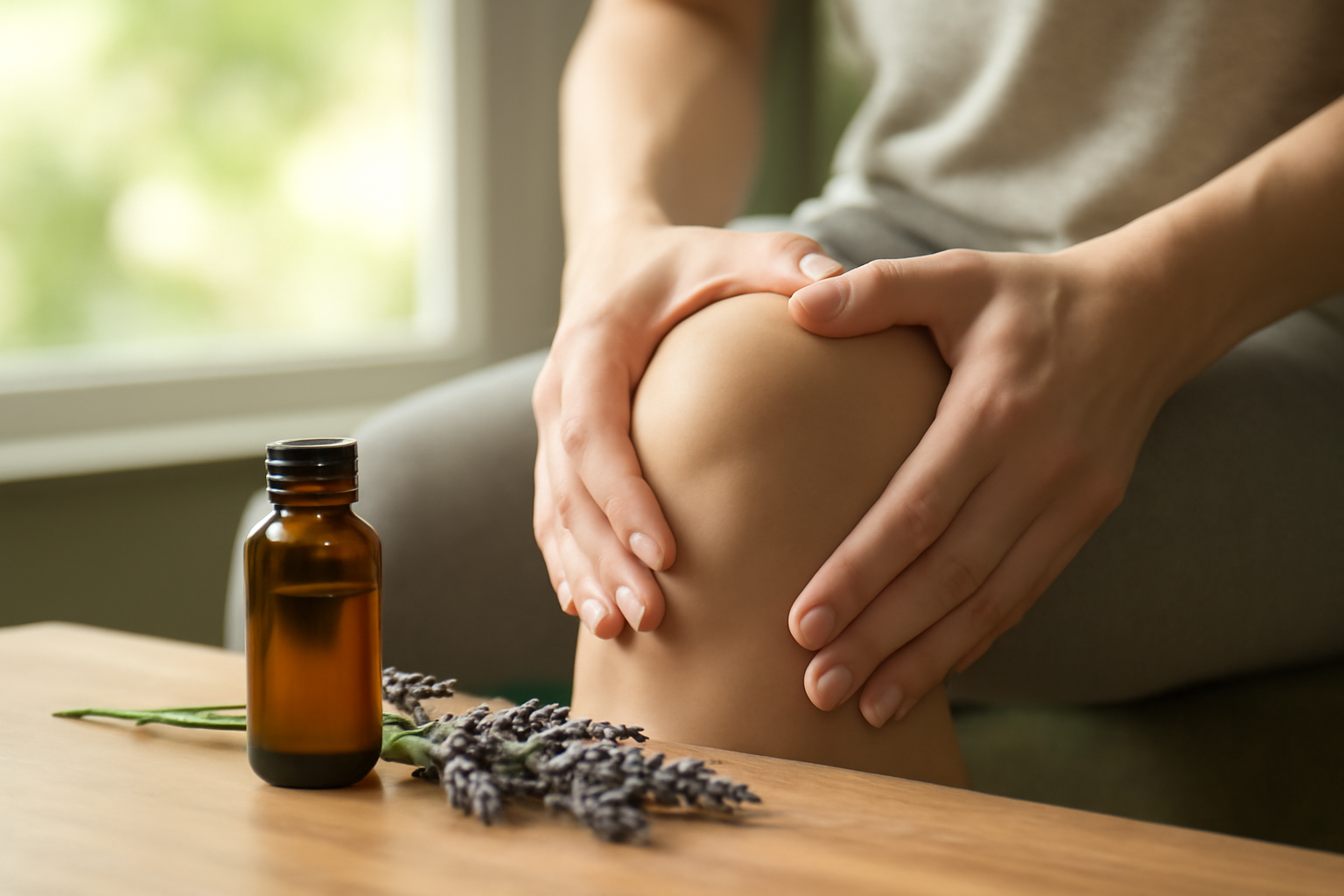
Essential oils work through two main pathways: inhalation and topical application. When you inhale certain aromatic compounds, they interact with the olfactory system and may influence how your brain processes pain signals and stress. When applied to the skin (always diluted in a carrier oil), certain oils may help with localized discomfort, circulation, and inflammation.
Research suggests several essential oils contain compounds with anti-inflammatory and analgesic properties. Here’s a breakdown of the ones most relevant for post-sport joint recovery:
Eucalyptus Oil
One of the most studied oils for musculoskeletal discomfort, eucalyptus contains 1,8-cineole, a compound that research suggests may help reduce inflammation and pain perception. Many athletes use it post-workout as part of a massage blend or diffuser session to ease that deep joint ache.
Frankincense Oil
Frankincense has been used for centuries for joint-related discomfort, and modern research is starting to back up why. It contains boswellic acids that may help inhibit inflammatory enzymes. It’s particularly popular among people dealing with knee and shoulder soreness, and many people find significant relief when it’s applied topically to affected areas.
Peppermint Oil
The cooling sensation of peppermint comes from menthol, which may help interrupt pain signals at the site of application. It’s a go-to for immediate post-exercise soreness and works beautifully in roll-on blends designed for active recovery.
Lavender Oil
Don’t underestimate lavender just because it’s associated with relaxation. Research suggests it has mild analgesic and anti-inflammatory properties, and its calming effect on the nervous system may help your body shift into genuine recovery mode — which is when real healing happens.
Myrrh Oil
Often paired with frankincense, myrrh is a powerful anti-inflammatory ally. The combination of frankincense and myrrh has a long history of use for joint and connective tissue discomfort, and the two oils appear to work synergistically when applied together.
Products Worth Trying for Your Recovery Routine
Here are the specific products I’d recommend based on quality, ease of use, and real-world feedback from active individuals:
The Diffuser Setup That Actually Makes Topical Oils Worth Using for Joint Recovery
Here’s the thing: essential oils work best when you’re actually *using* them consistently, and that means having a setup that doesn’t feel like a chore. A quality diffuser makes it easy to create an environment where you’re getting the benefit of anti-inflammatory oils while you recover — not just applying them once and forgetting about it.
What works
- The 400ml capacity means you’re not refilling every few hours — it runs long enough that diffusing becomes a genuine part of your recovery routine, not something you abandon after day two.
- Coming with 10 pre-selected oils (including frankincense and eucalyptus, both cited in research for their anti-inflammatory properties) removes the guesswork of which oils actually matter for joint pain — you’re not buying five separate bottles to figure out what works.
- Ultrasonic diffusers preserve the oil compounds better than heat diffusers, which means the therapeutic compounds actually make it into the air instead of being broken down — this matters if you’re counting on the research to back up your effort.
What doesn’t
- Diffusing oils is not a substitute for addressing the actual cause of joint pain — if your inflammation is driven by overuse, poor movement patterns, or underlying joint damage, inhaling frankincense won’t fix that, though it may help you feel more comfortable while you do the real work.
- Results are subtle and take consistency — you won’t notice joint pain vanishing after one evening of diffusing, and some people don’t respond to aromatherapy at all, which is fine; it’s a recovery *support*, not a treatment.
Aromatherapy works best as part of a broader recovery strategy, not as the main event. InnoGear Aromatherapy Diffuser with 10 Essential Oils Set (400ml)
About This Article

Written by Michael Torres. Michael Torres has had joint problems his whole life — hypermobile as a kid, chronic sprains and a dislocating shoulder through his twenties, an osteoarthritis diagnosis in his early fifties, and a right knee replacement since. He is not a doctor or a physical therapist and has no clinical training. He writes about what has helped him and what he has watched help the people around him, and says plainly when he has not tried something himself. More about this site.
Scope and limits. Michael has no medical or clinical training — he writes about living with his own joint pain, not about treating anyone else's. Nothing here is medical advice. Talk to a doctor before starting anything new, and get seen promptly for pain that is new, severe, worsening, or comes with swelling, fever, or numbness.
Verify this against a primary source
Specifics change, and your situation may differ from the one described here. These are the authorities worth checking directly:
- NIAMS — arthritis and musculoskeletal research from the NIH
- MedlinePlus — plain-language medical reference from the NIH
- Arthritis Foundation — condition guides and treatment overviews