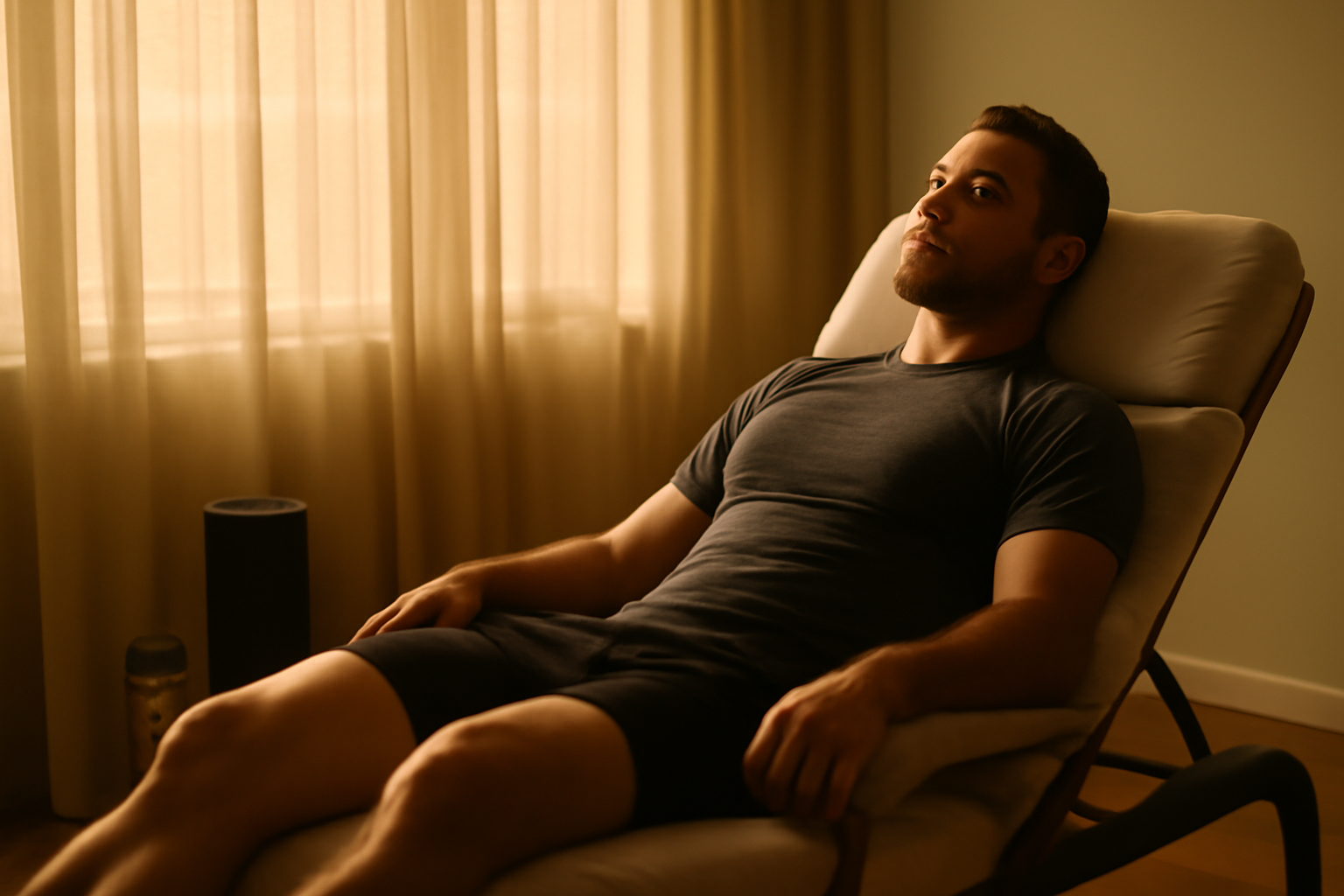

You’ve just finished a tough training session — knees aching, shoulders tight, that familiar throb in your hip that’s been nagging you for weeks. You’ve tried ice, compression, stretching, and probably half the recovery aisle at the pharmacy. But someone recently mentioned something that made you raise an eyebrow: hypnotherapy for joint pain. Maybe it sounds a little out there. I get it. As someone who works closely with athletes navigating chronic and acute joint discomfort, I’ve heard plenty of skepticism — and I’ve also seen people genuinely surprised by what this approach can do when it’s part of a well-rounded recovery plan.
What Is Hypnotherapy for Joint Pain, and Why Are Athletes Talking About It?
Hypnotherapy is a therapeutic technique that guides you into a deeply relaxed, focused state — often called a trance — where your mind becomes more open to suggestion and reframing. It’s not the theatrical stuff you see on TV. It’s calm, intentional, and conducted by trained professionals. And while it’s been used for decades to help with anxiety, smoking cessation, and chronic pain conditions, more athletes are now exploring hypnotherapy for joint pain as a complementary tool alongside physical therapy and medical treatment.
Here’s why this matters for your joints specifically: pain is not purely mechanical. Your nervous system plays a massive role in how pain signals are processed and amplified. Research suggests that hypnotherapy may help modulate pain perception by influencing how the brain interprets those signals. For athletes dealing with persistent joint discomfort — whether it’s a lingering runner’s knee, post-surgical shoulder pain, or arthritic flare-ups — that mind-body connection is worth paying attention to.
What the Research Actually Says
I always want to be straight with you: hypnotherapy is not a cure, and it’s not a replacement for medical care or physical rehabilitation. What it may do is complement those treatments in meaningful ways. Several studies have explored hypnosis in the context of chronic pain management, and the findings are genuinely interesting.
- A review published in the International Journal of Clinical and Experimental Hypnosis found that hypnotic interventions consistently reduced pain intensity in participants with chronic pain conditions.
- Research suggests that hypnotherapy may help reduce the emotional distress that often accompanies persistent joint pain — that cycle of anxiety and tension that can actually make pain feel worse.
- Many people find relief with hypnosis as a way to improve sleep quality, which is one of the most underrated factors in joint recovery and inflammation management.
- Some sports medicine practitioners are beginning to incorporate guided imagery and hypnotic suggestion into pre- and post-surgical recovery protocols.
If you’re curious about what an actual session looks like, resources like Apex Medical Center’s guide on what to expect at your hypnotherapy session can give you a grounded, practical overview before you book an appointment. Walking in knowing what’s ahead makes a real difference.
How Athletes Can Realistically Incorporate This Into Recovery
Let me be honest with you the way I’d be honest with a training partner: hypnotherapy works best when it’s one piece of a bigger recovery puzzle — not a standalone solution. Here’s how I’d suggest thinking about integrating it:
Work With a Qualified Practitioner
Look for a licensed clinical hypnotherapist or a healthcare provider who offers hypnosis as part of pain management. Credentials matter here. Ask about their experience with athletes or musculoskeletal pain specifically. Many practitioners now offer virtual sessions, which makes this far more accessible than it used to be.
Combine It With Physical Recovery Strategies
Hypnotherapy is most effective when your body is also getting the physical support it needs. That means consistent sleep, appropriate loading and rest cycles, proper nutrition, and targeted physical therapy exercises. Think of hypnotherapy as addressing the neurological and psychological layers of pain while your PT and rest address the structural ones.
Use Self-Hypnosis and Relaxation Tools at Home
Between sessions, many practitioners teach self-hypnosis techniques — guided breathing, progressive muscle relaxation, or visualization — that you can use during your recovery window at home. Pairing these practices with physical comfort tools can make your downtime genuinely restorative.
Products Worth Trying to Support Your Recovery Routine
If you’re creating a recovery space at home — whether you’re winding down after hypnotherapy-inspired relaxation techniques or just trying to give your joints some relief after training — these are tools I think are genuinely worth your attention.
The Acupressure Mat for Athletes Who Need Tension Relief Between Sessions
Hypnotherapy works partly by helping your nervous system downregulate — but you don’t need a therapist’s office to practice that reset. An acupressure mat activates the same parasympathetic response through physical stimulation, giving your joints and muscles a chance to genuinely relax when soreness is keeping you locked up.
What works
- Consistent use (10–20 minutes daily) noticeably reduces muscle tension around problem joints within 2–3 weeks, which translates to less guarding and better mobility during training.
- The mat triggers endorphin release through acupressure points — research supports this as a legitimate (if modest) pain modulator, especially for tension-driven aches rather than structural damage.
- Unlike supplements or medications, there’s no lag time or dose optimization — you lie on it and feel the effect immediately, making it easier to stick with long-term.
What doesn’t
- If your joint pain is driven by inflammation, structural wear, or instability, an acupressure mat won’t fix that — it’s a tool for tension management, not a replacement for addressing the root cause.
- It takes discipline to use consistently, and the novelty wears off fast; athletes who expect miracle results after one session will be disappointed and abandon it.
Think of this as a recovery habit that compounds over weeks, not a quick fix — and it works best alongside other interventions like proper training load management or physical therapy. Check out the ProsourceFit Acupressure Mat and Pillow Set in Black/Black (Large) if you’re ready to add a low-friction recovery tool to your routine.
About This Article

Written by Michael Torres. Michael Torres has had joint problems his whole life — hypermobile as a kid, chronic sprains and a dislocating shoulder through his twenties, an osteoarthritis diagnosis in his early fifties, and a right knee replacement since. He is not a doctor or a physical therapist and has no clinical training. He writes about what has helped him and what he has watched help the people around him, and says plainly when he has not tried something himself. More about this site.
Scope and limits. Michael has no medical or clinical training — he writes about living with his own joint pain, not about treating anyone else's. Nothing here is medical advice. Talk to a doctor before starting anything new, and get seen promptly for pain that is new, severe, worsening, or comes with swelling, fever, or numbness.
Verify this against a primary source
Specifics change, and your situation may differ from the one described here. These are the authorities worth checking directly:
- NIAMS — arthritis and musculoskeletal research from the NIH
- MedlinePlus — plain-language medical reference from the NIH
- Arthritis Foundation — condition guides and treatment overviews