
You rolled your ankle at the gym, your knee flared up after a long hike, or you woke up with that familiar stiffness in your hip — and your first instinct was to reach for something cold or something warm. But then you paused. Which one is it again? If you’ve ever stood in front of your freezer debating this, you’re not alone. The question of ice vs heat for joint pain is one of the most common things people get confused about, and honestly, even some well-meaning advice out there makes it worse. So let’s clear it up together — practically, honestly, and without the guesswork.
Why Ice vs Heat for Joint Pain Is More Nuanced Than You Think
Most people operate on a simple rule they half-remember from childhood: ice for injuries, heat for soreness. And while that’s not entirely wrong, it’s oversimplified in a way that leads to real mistakes. I’ve seen people apply heat to an acutely swollen knee and wonder why it felt worse. I’ve also seen people ice a chronically stiff joint first thing in the morning and then be surprised when it doesn’t loosen up. The truth is, your body’s healing process is nuanced — and the right therapy depends on what’s actually happening in that joint, not just how much it hurts.
Here’s the core principle that changed how I think about this: ice is for inflammation and acute injury, heat is for stiffness and muscle tension. When a joint is actively inflamed — swollen, hot to the touch, and recently injured — ice may help reduce that inflammatory response and numb the pain signal. When a joint is stiff, achy from overuse, or dealing with chronic tightness, heat may help relax the surrounding muscles and increase blood flow to the area, which many people find brings meaningful relief.
When to Use Ice: The Acute Injury Window
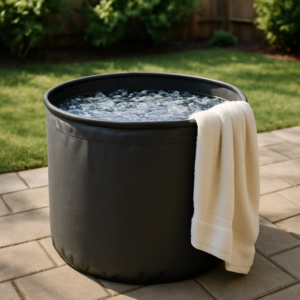
Think about the first 24 to 72 hours after an injury. Whether it’s a sprained ankle, a post-surgery knee, or a flare-up from arthritis or a meniscus issue, this is typically when cold therapy shines. Research suggests that applying cold to an acutely inflamed joint may help slow local circulation temporarily, which can reduce swelling and ease that sharp, throbbing pain that makes you not want to move.
A few signs that ice is probably the right call:
- The joint feels warm or hot to the touch
- There’s visible swelling or puffiness around the area
- The pain came on suddenly from a specific event or movement
- It’s within the first few days after a procedure like knee replacement surgery
- An arthritis flare-up is actively underway with redness and swelling
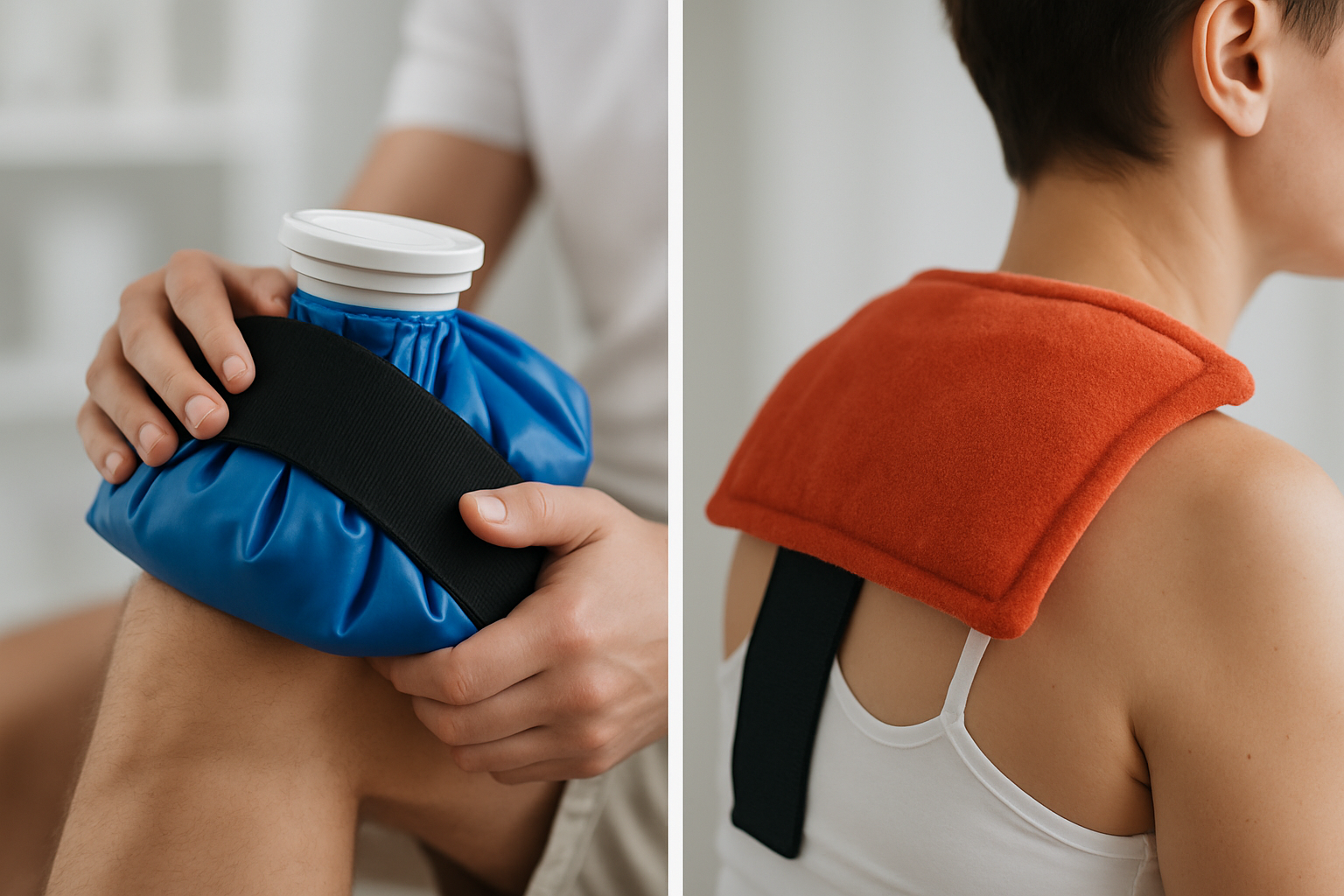
The key is not to overdo it. Most recommendations suggest 15 to 20 minutes at a time, with a cloth or barrier between the ice and your skin, and never while sleeping. A well-designed gel ice wrap makes this much easier — it conforms to the joint so you get even coverage without holding an awkward bag of frozen peas in place.
The Ice Pack That Actually Stays Cold When You Need It Most
If you’re in that acute phase — first 48 hours after a flare-up, fresh injury, or post-workout swelling — you need an ice pack that conforms to your joint, doesn’t leak, and holds temperature long enough to actually make a difference. The AiricePac is built for exactly this scenario: joint-specific shapes, reusable gel that stays flexible even when frozen, and the kind of durability that survives repeated use without degrading.
What works
- The contoured design actually stays in place on knees, ankles, and shoulders without straps that cut off circulation or slip down mid-application — research backs that targeted cold reduces localized swelling more effectively than generic packs.
- The gel stays pliable even at freezing temperatures, which means it conforms to the joint rather than staying rigid — people consistently report they can leave it on longer and tolerate it better than traditional brick-hard ice packs.
- It holds cold for 20-30 minutes consistently, which is the therapeutic window most research shows is effective for reducing acute inflammation without risking tissue damage from over-icing.
What doesn’t
- This is not a solution for chronic stiffness or mobility loss — ice is for acute inflammation, not the underlying joint degradation that happens over months or years.
- If you have poor circulation, nerve damage, or certain skin conditions, cold therapy carries real risks that no product design can overcome — talk to your doctor first if you fall into that category.
Cold therapy only works if you actually use it consistently in those first 48 hours, and even then it’s managing the symptom, not fixing what caused the flare-up in the first place. AiricePac Ice Pack for Knee Pain Relief
About This Article

Written by Michael Torres. Michael Torres has had joint problems his whole life — hypermobile as a kid, chronic sprains and a dislocating shoulder through his twenties, an osteoarthritis diagnosis in his early fifties, and a right knee replacement since. He is not a doctor or a physical therapist and has no clinical training. He writes about what has helped him and what he has watched help the people around him, and says plainly when he has not tried something himself. More about this site.
Scope and limits. Michael has no medical or clinical training — he writes about living with his own joint pain, not about treating anyone else's. Nothing here is medical advice. Talk to a doctor before starting anything new, and get seen promptly for pain that is new, severe, worsening, or comes with swelling, fever, or numbness.
Verify this against a primary source
Specifics change, and your situation may differ from the one described here. These are the authorities worth checking directly:
- NIAMS — arthritis and musculoskeletal research from the NIH
- MedlinePlus — plain-language medical reference from the NIH
- Arthritis Foundation — condition guides and treatment overviews