
You know that moment when you sit down after a long day and your knees just ache? Or maybe you wake up with stiff, throbbing wrists and spend the first hour of your morning trying to shake it off. If that sounds familiar, you’re not alone — and you’ve probably already tried ice packs, heating pads, and more ibuprofen than you’d care to admit. That’s exactly the moment when many people start asking about a TENS unit for joint pain relief, and honestly, it’s one of the questions I love answering most.
What Is a TENS Unit and How Does It Actually Work?
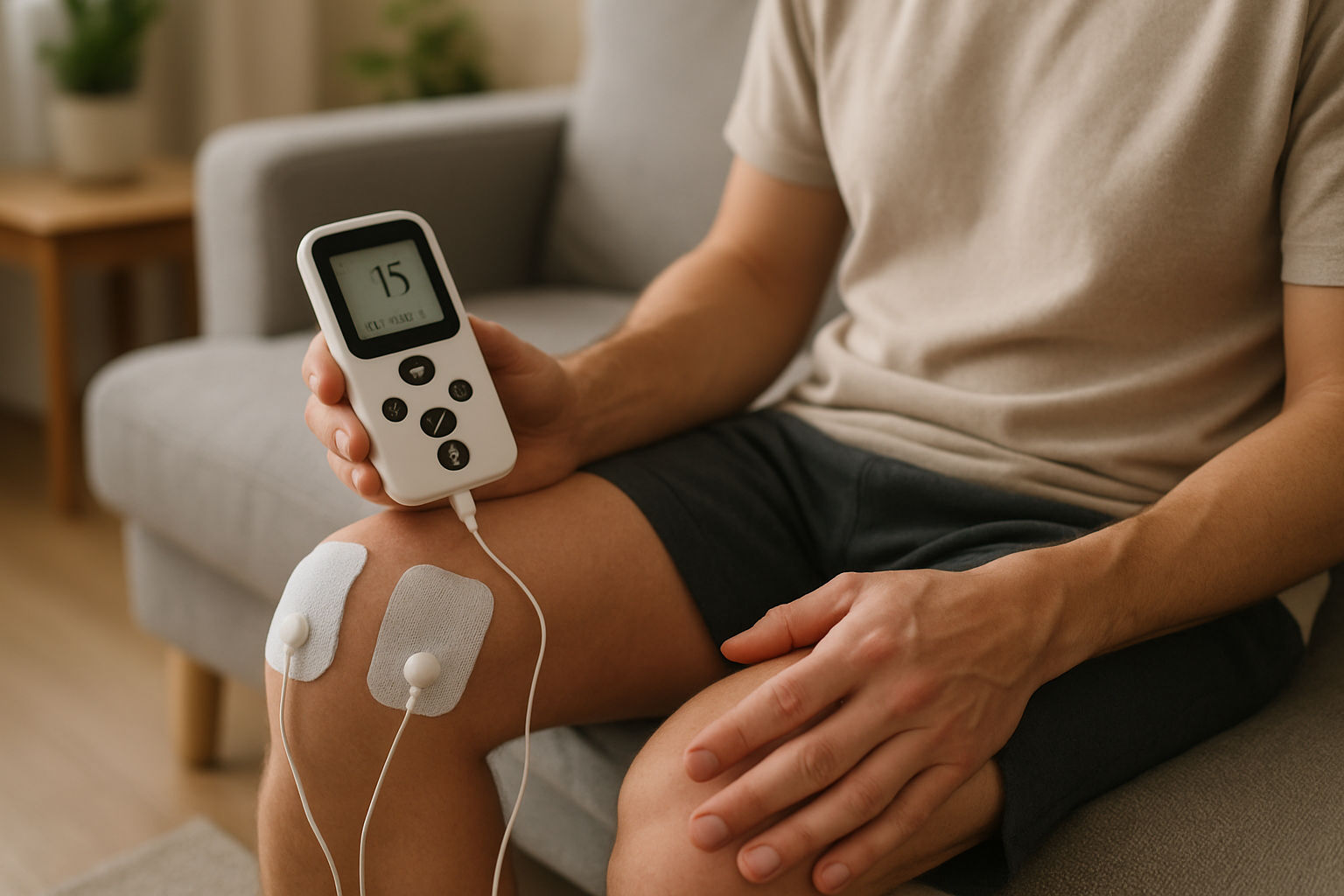
TENS stands for Transcutaneous Electrical Nerve Stimulation — which sounds intimidating, but the concept is surprisingly straightforward. A TENS unit delivers small, low-voltage electrical pulses through electrode pads placed on your skin near the area of discomfort. Those gentle pulses travel through your nerves and may help interrupt or reduce the pain signals your body is sending to your brain.
There are two main theories behind why this works. The first is called the Gate Control Theory — the idea that electrical stimulation may “close the gate” on pain signals traveling to your brain, essentially crowding them out. The second involves the potential release of endorphins, your body’s natural pain-fighting chemicals, triggered by the stimulation. Research suggests both mechanisms may play a role, which is part of why so many people find consistent relief with regular TENS therapy.
Physical therapists report that patients with knee osteoarthritis, shoulder bursitis and lower back issues see meaningful reductions in discomfort after incorporating TENS into their routines. It’s not magic, and it’s not a cure — but it can be a genuinely useful tool in your pain management toolkit.
Using a TENS Unit for Joint Pain Relief: What the Research Suggests
When it comes to joint-specific pain — think knees, hips, shoulders, wrists, and the spine — TENS therapy has been studied more than most people realize. Several clinical reviews suggest that TENS may help reduce perceived pain intensity in people with osteoarthritis and chronic musculoskeletal conditions. The evidence isn’t conclusive for everyone, but for many people, it offers a non-invasive, drug-free option worth exploring.
Here’s what tends to make the biggest difference in my experience:
- Placement matters. Pads should go near the painful area, not directly on bone or broken skin. For knee pain, flanking the kneecap on both sides often works well.
- Frequency and mode selection. Higher frequencies (80–150Hz) are often used for acute pain relief, while lower frequencies (2–10Hz) may support longer-lasting comfort through endorphin release. Many modern units offer both.
- Consistency helps. Short daily sessions — even 20 to 30 minutes — tend to produce better results than occasional marathon sessions.
- Intensity should feel strong but comfortable. You should feel a noticeable tingling sensation, not pain. Start low and gradually increase.
Always check with your doctor or physical therapist before starting TENS therapy, especially if you have a pacemaker, are pregnant, or have certain neurological conditions.
The TENS Unit That Actually Fits Into Daily Life (and Delivers Consistent Relief)
If you’ve been cycling through ice packs and heating pads without lasting results, a quality TENS unit bridges the gap between temporary relief and something you can actually use multiple times a day without thinking about it. The right device needs to be small enough to wear under clothes, intuitive enough to use without a manual, and reliable enough that you’ll reach for it instead of another painkiller.
What works
- Research consistently shows TENS activates the gate control theory of pain — electrical stimulation genuinely interrupts pain signals before they reach your brain, not just distraction or placebo.
- Most people notice a reduction in acute joint ache within 15-20 minutes of use, and that relief typically lasts 1-4 hours depending on the intensity setting and your individual pain threshold.
- Unlike oral pain relievers, TENS is non-systemic and targets the specific joint — you can use it throughout the day without worrying about stomach irritation or medication interactions.
What doesn’t
- TENS is pain management, not healing — it won’t fix cartilage damage, reduce inflammation long-term, or address the root cause of your joint issue (that’s why physical therapy, strength work, and sometimes supplements still matter).
- Effectiveness drops significantly if you have metal implants, a pacemaker, or severe arthritis with nerve damage; also, some people simply don’t respond to electrical stimulation the way others do, and there’s no way to predict that until you try.
TENS works best as part of a broader approach to joint health, not a replacement for addressing mobility and strength — think of it as a tool that buys you time and comfort to actually do the work that matters.
About This Article

Written by Michael Torres. Michael Torres has had joint problems his whole life — hypermobile as a kid, chronic sprains and a dislocating shoulder through his twenties, an osteoarthritis diagnosis in his early fifties, and a right knee replacement since. He is not a doctor or a physical therapist and has no clinical training. He writes about what has helped him and what he has watched help the people around him, and says plainly when he has not tried something himself. More about this site.
Scope and limits. Michael has no medical or clinical training — he writes about living with his own joint pain, not about treating anyone else's. Nothing here is medical advice. Talk to a doctor before starting anything new, and get seen promptly for pain that is new, severe, worsening, or comes with swelling, fever, or numbness.
Verify this against a primary source
Specifics change, and your situation may differ from the one described here. These are the authorities worth checking directly:
- NIAMS — arthritis and musculoskeletal research from the NIH
- MedlinePlus — plain-language medical reference from the NIH
- Arthritis Foundation — condition guides and treatment overviews