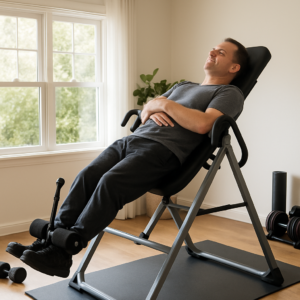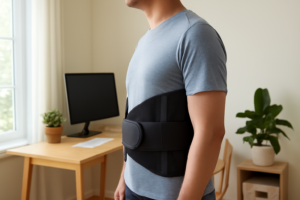


You wake up at 3 a.m. with that familiar ache radiating through your lower back and hip. You shift positions, but it doesn’t help. And then, before you know it, your mind starts spiraling — Is this serious? Will it ever get better? What if I can never exercise again? If that scenario sounds painfully familiar, you’re not alone. The connection between hip and back pain anxiety is real, and it’s something I see played out constantly — both in clinical settings and in everyday conversations with people who are quietly struggling with both the physical pain and the emotional weight that comes with it.
Why Hip and Back Pain Anxiety Often Go Hand in Hand
Here’s something that doesn’t get talked about enough: chronic or recurring pain doesn’t just hurt your body — it messes with your mind. Research suggests that people dealing with ongoing musculoskeletal pain, especially in the hip and lower back, are significantly more likely to experience heightened anxiety and worry. And the reverse is also true. Anxiety can amplify your perception of pain, making even a manageable ache feel overwhelming.
This is called the pain-anxiety cycle, and once you’re in it, it can feel almost impossible to break. Your body tenses up because you’re anxious, which puts more strain on already irritated joints and muscles. That extra tension makes the pain worse. And worse pain makes the anxiety spike higher. Round and round it goes.
It’s also worth noting that there’s a difference between ordinary worry — the kind that pops up naturally when something hurts — and a full anxiety disorder that may need professional support. Ordinary worry tends to be situational and manageable. An anxiety disorder involves persistent, excessive fear that interferes with daily life. If you’re unsure which category you fall into, talking to a healthcare provider is always a smart move. You don’t have to figure that out alone.
What’s Actually Happening in Your Hip and Back
Before we talk solutions, let me give you a quick, no-jargon breakdown of what’s usually going on physically — because understanding your body genuinely helps reduce fear around it.
The hip and lower back are deeply interconnected. The muscles, ligaments, and nerves in that region don’t operate in isolation. When your hip flexors get tight — which happens easily from prolonged sitting — they pull on your lumbar spine and create tension and pain in your lower back. Similarly, weak glute muscles force your lower back to overcompensate during movement, leading to strain and soreness over time.
Common culprits behind hip and back pain include:
- Tight hip flexors from too much sitting
- Weak core and glute muscles that can’t properly support the spine
- SI joint dysfunction or hip bursitis
- Herniated discs or degenerative disc changes
- Piriformis syndrome, which can mimic sciatica
None of these are a life sentence. Many people find significant relief with consistent, appropriate movement, targeted stretching, and the right lifestyle support. That’s the honest truth, and I want you to hold onto it.
Practical Steps That May Help You Break the Cycle
Move Gently — Even When You Don’t Want To
I know rest feels like the obvious answer when something hurts. But for most types of hip and back pain, gentle movement is actually more beneficial than bed rest. Walking, light yoga, swimming, or targeted physical therapy exercises may help reduce stiffness, improve blood flow to the affected area, and — importantly — signal to your nervous system that movement is safe. That last part matters enormously when anxiety is part of the picture.
Start small. Even a 10-minute walk or a few gentle hip circles in the morning can begin to shift the cycle in your favor.
Address the Stress Directly
Because anxiety and muscle tension are so tightly linked to pain perception, actively managing your stress levels isn’t optional — it’s part of the treatment. Diaphragmatic breathing, mindfulness meditation, and progressive muscle relaxation are all techniques that research suggests may help calm the nervous system and reduce pain sensitivity. Many people are surprised by how much these practices help once they commit to them consistently.
Prioritize Sleep and Recovery
Poor sleep and chronic pain have a notoriously bad relationship. When you’re not sleeping well, your body’s ability to manage pain decreases, and anxiety tends to spike. Working on sleep hygiene — consistent bedtimes, a cool dark room, limiting screens before bed — can make a meaningful difference in how both your pain and your mood feel the next day.
Products Worth Trying for Stress and Muscle Support
I want to be upfront: supplements are not a substitute for physical therapy, medical evaluation, or lifestyle changes. But for some people, the right support supplements may help take the edge off — particularly when it comes to the stress and tension side of the equation. Here are a few options I think are worth knowing about.
The Stress Supplement That Actually Helps Break the Pain-Anxiety Cycle
When pain spirals into anxiety, your nervous system gets stuck in a loop that makes everything worse — including your actual joint symptoms. Ashwagandha has real research behind it for stress and cortisol management, which is why I reach for it when the 3 a.m. worry spiral starts before the physical pain does.
What works
- Studies on KSM-66 ashwagandha (the form in this product) show measurable reductions in cortisol and anxiety scores within 4–8 weeks of consistent use — not overnight, but real enough that you notice the spiral getting quieter.
- Unlike some stress supplements that leave you foggy, ashwagandha users typically report staying alert while feeling less reactive to pain signals and worst-case-scenario thinking.
- The softgel format beats gummies for consistent dosing and is easier to take on an empty stomach if you’re sensitive to timing — no taste to negotiate with at 3 a.m.
What doesn’t
- This isn’t a pain reliever — it won’t reduce the actual joint discomfort, only your nervous system’s reaction to it, so you still need to address the underlying hip or back issue.
- Results take 4+ weeks to show up reliably, and if you’re in acute crisis mode or have significant anxiety disorder, ashwagandha alone won’t be enough — you may need to talk to someone alongside supplementing.
This works best when you’re consistent and realistic about what it is: a nervous system tool, not a joint fix. Nature’s Bounty Stress Relief with Ashwagandha KSM-66
About This Article

Written by Michael Torres. Michael Torres has had joint problems his whole life — hypermobile as a kid, chronic sprains and a dislocating shoulder through his twenties, an osteoarthritis diagnosis in his early fifties, and a right knee replacement since. He is not a doctor or a physical therapist and has no clinical training. He writes about what has helped him and what he has watched help the people around him, and says plainly when he has not tried something himself. More about this site.
Scope and limits. Michael has no medical or clinical training — he writes about living with his own joint pain, not about treating anyone else's. Nothing here is medical advice. Talk to a doctor before starting anything new, and get seen promptly for pain that is new, severe, worsening, or comes with swelling, fever, or numbness.
Verify this against a primary source
Specifics change, and your situation may differ from the one described here. These are the authorities worth checking directly:
- NIAMS — arthritis and musculoskeletal research from the NIH
- MedlinePlus — plain-language medical reference from the NIH
- Arthritis Foundation — condition guides and treatment overviews