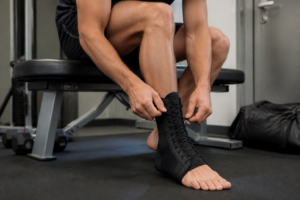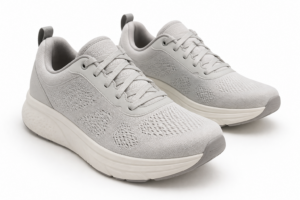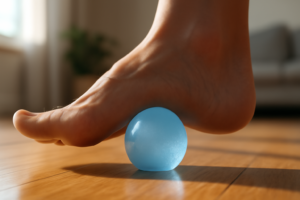
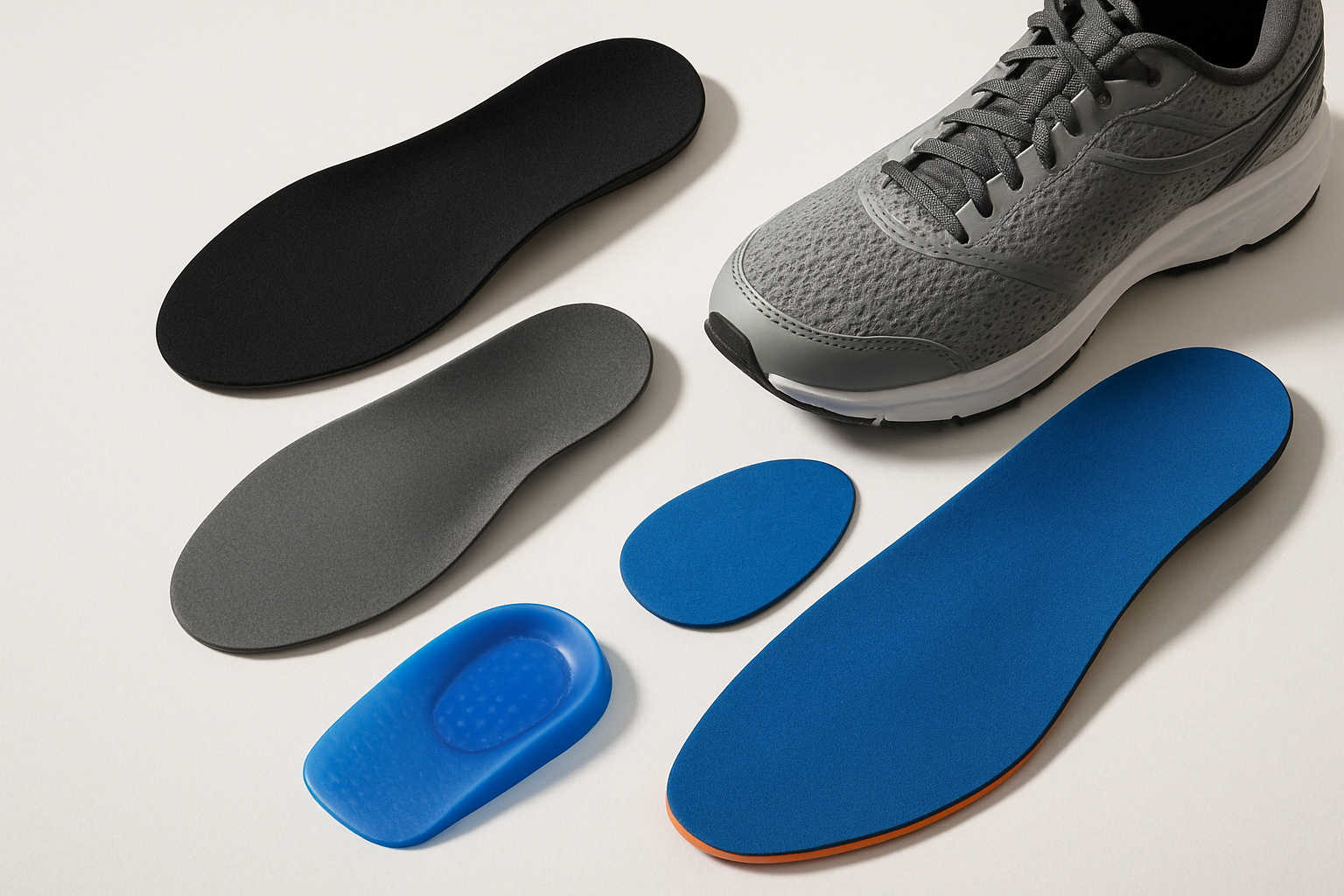

You know that moment when you get out of bed in the morning, take your first few steps, and feel that sharp, stabbing pain in your heel or arch? Or maybe it’s the dull ache that builds through a long day on your feet — the kind that radiates from your ankles up into your knees by the time you finally sit down. If that sounds familiar, you’ve probably already gone down the rabbit hole of searching for orthotics insoles for joint pain and wondering if any of it actually works — or if you’d be better off spending the money on a custom pair from a specialist. I’ve been there, and I’ve compared notes with a lot of people navigating this exact question. Let me give you the honest breakdown.
Why Your Feet Matter More Than You Think for Joint Health
Here’s something worth understanding: your feet are the foundation of your entire musculoskeletal system. When your arch collapses, when you overpronate, or when your heel isn’t properly cushioned, that misalignment doesn’t just stay in your foot. It travels. It can affect your ankle alignment, stress your knee joints, shift load onto your hips, and even contribute to lower back discomfort. The kinetic chain is real, and it starts at the ground.
Conditions like plantar fasciitis, Achilles tendinopathy, flat feet, and metatarsalgia are incredibly common — and all of them can be influenced by the support (or lack thereof) inside your shoes. Research suggests that appropriate foot support may help reduce strain on surrounding joints and soft tissue, which is why so many healthcare providers recommend some form of orthotic intervention as part of a broader management plan.
Custom Orthotics vs Over-the-Counter Insoles for Joint Pain: The Real Difference
This is the question I get asked most often, so let’s be direct about it.
Custom Orthotics
Custom orthotics are prescribed and fabricated specifically for your foot after a biomechanical assessment. They’re typically made from a cast or 3D scan of your foot and designed to address your unique structural needs. The upside? Precision. If you have a significant deformity, post-surgical needs, or a complex condition like severe overpronation combined with ankle instability, custom orthotics may provide support that over-the-counter options simply can’t match.
The downside is cost — custom orthotics can run anywhere from $300 to $800 or more, and insurance coverage varies widely. They also require fitting appointments and time to adjust to.
Over-the-Counter Insoles
Quality OTC insoles have come a long way. For many people dealing with mild to moderate arch pain, heel pain, or general fatigue from standing, a well-designed over-the-counter insole may provide meaningful relief at a fraction of the cost. Several studies suggest that for conditions like plantar fasciitis, prefabricated insoles can be just as effective as custom ones for a large portion of patients. That’s genuinely encouraging news if you’re not ready to spend hundreds of dollars.
My practical advice: start with a quality OTC option. If you’ve tried two or three well-reviewed insoles consistently for six to eight weeks and you’re still struggling, that’s when I’d suggest seeing a podiatrist or physical therapist for a custom evaluation.
The Arch Support Insole That Actually Holds Up Under Daily Wear
If you’re dealing with plantar fasciitis or flat feet, you need an insole that provides real arch support without collapsing after a few months. This one is built with firmer cushioning and structured arch support specifically designed to handle the repetitive stress that causes heel and arch pain.
What works
- The arch support is firm enough to actually reduce strain on the plantar fascia during walking and standing — you’ll feel the difference, especially in the morning when pain is typically worst.
- Most people report noticeable relief within 1–2 weeks of consistent use, with continued improvement over a month as your feet fully adapt to the support.
- The material holds its shape better than generic drugstore insoles, meaning you’re not replacing them every 4–6 months if you’re on your feet regularly.
What doesn’t
- If your shoes are too tight or don’t have enough room, these insoles will create pressure points — you may need to size up or switch to shoes with more volume.
- They won’t fix the problem on their own if you’re also dealing with tight calves, weak ankle stabilizers, or ongoing activities that aggravate the condition; they’re a support tool, not a cure.
Results aren’t instant, and not everyone responds the same way — some people feel relief in days, others take a full month of consistent wear to notice a real difference. Inserts Relieve Plantar Fasciitis Flat Feet Insoles with Arch Support
About This Article

Written by Michael Torres. Michael Torres has had joint problems his whole life — hypermobile as a kid, chronic sprains and a dislocating shoulder through his twenties, an osteoarthritis diagnosis in his early fifties, and a right knee replacement since. He is not a doctor or a physical therapist and has no clinical training. He writes about what has helped him and what he has watched help the people around him, and says plainly when he has not tried something himself. More about this site.
Scope and limits. Michael has no medical or clinical training — he writes about living with his own joint pain, not about treating anyone else's. Nothing here is medical advice. Talk to a doctor before starting anything new, and get seen promptly for pain that is new, severe, worsening, or comes with swelling, fever, or numbness.
Verify this against a primary source
Specifics change, and your situation may differ from the one described here. These are the authorities worth checking directly:
- NIAMS — arthritis and musculoskeletal research from the NIH
- MedlinePlus — plain-language medical reference from the NIH
- Arthritis Foundation — condition guides and treatment overviews