
You wake up one morning, swing your legs over the side of the bed, and the moment your heel touches the floor — ouch. That sharp, burning pain radiating up the back of your ankle is instantly recognizable to anyone who has dealt with Achilles tendonitis. Whether you’re a runner who ramped up mileage too fast, a weekend warrior who overdid it at a pickup game, or someone who simply spends too many hours on their feet, that tendon can flare up and sideline you fast. If you’ve been searching for the right Achilles tendonitis ankle support to help you manage the pain and get back to moving comfortably, you’re in the right place. I want to walk you through what’s actually going on, what the research suggests helps, and the specific products I personally recommend to the friends I help.
What’s Actually Happening With Your Achilles Tendon
The Achilles tendon is the largest and strongest tendon in your body, connecting your calf muscles to your heel bone. When it gets overloaded — through repetitive stress, sudden increases in activity, tight calves, or worn-out footwear — the tendon tissue can become irritated and inflamed. That’s Achilles tendonitis, and it’s incredibly common. In fact, it accounts for a significant percentage of running injuries and is frequently seen in people who are on their feet for work.
There are two main types: insertional Achilles tendonitis, which affects the spot where the tendon meets the heel bone, and non-insertional, which involves the middle portion of the tendon. Both can cause stiffness in the morning, tenderness when you press along the back of the ankle, and pain that worsens with activity. Understanding which type you’re dealing with matters, because it can influence which supports and heel lifts work best for you — something worth discussing with your physical therapist or doctor.
Why Achilles Tendonitis Ankle Support and Heel Lifts Work Together
Here’s something many people don’t realize: simply resting the tendon without any additional support often prolongs recovery. Research suggests that gentle compression around the ankle may help reduce swelling and improve proprioception — your body’s awareness of joint position — which can actually protect the tendon during light movement and daily activities. Compression sleeves and braces don’t just hold things together; they may also encourage better circulation to the area, which supports the healing process.
Heel lifts work on a different but equally important principle. By slightly elevating the heel, they reduce the amount of stretch placed on the Achilles tendon with every step you take. Think of it like giving the tendon a small break — less tension means less irritation, especially during that critical early phase of recovery. Many people find significant relief from combining compression support with heel lifts used consistently throughout the day.
Of course, these tools work best as part of a broader recovery approach that includes targeted stretching, eccentric heel drops (a gold-standard exercise for tendon rehab), and gradual return to activity. But having the right gear can make a meaningful difference in your day-to-day comfort and confidence.
The Ankle Brace That Actually Reduces Achilles Pain Without Limiting Your Stride
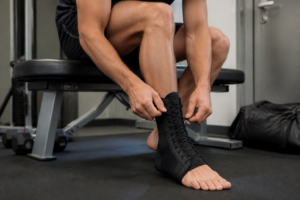
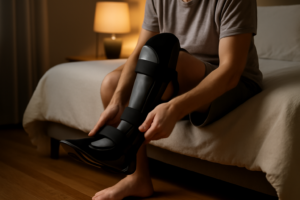
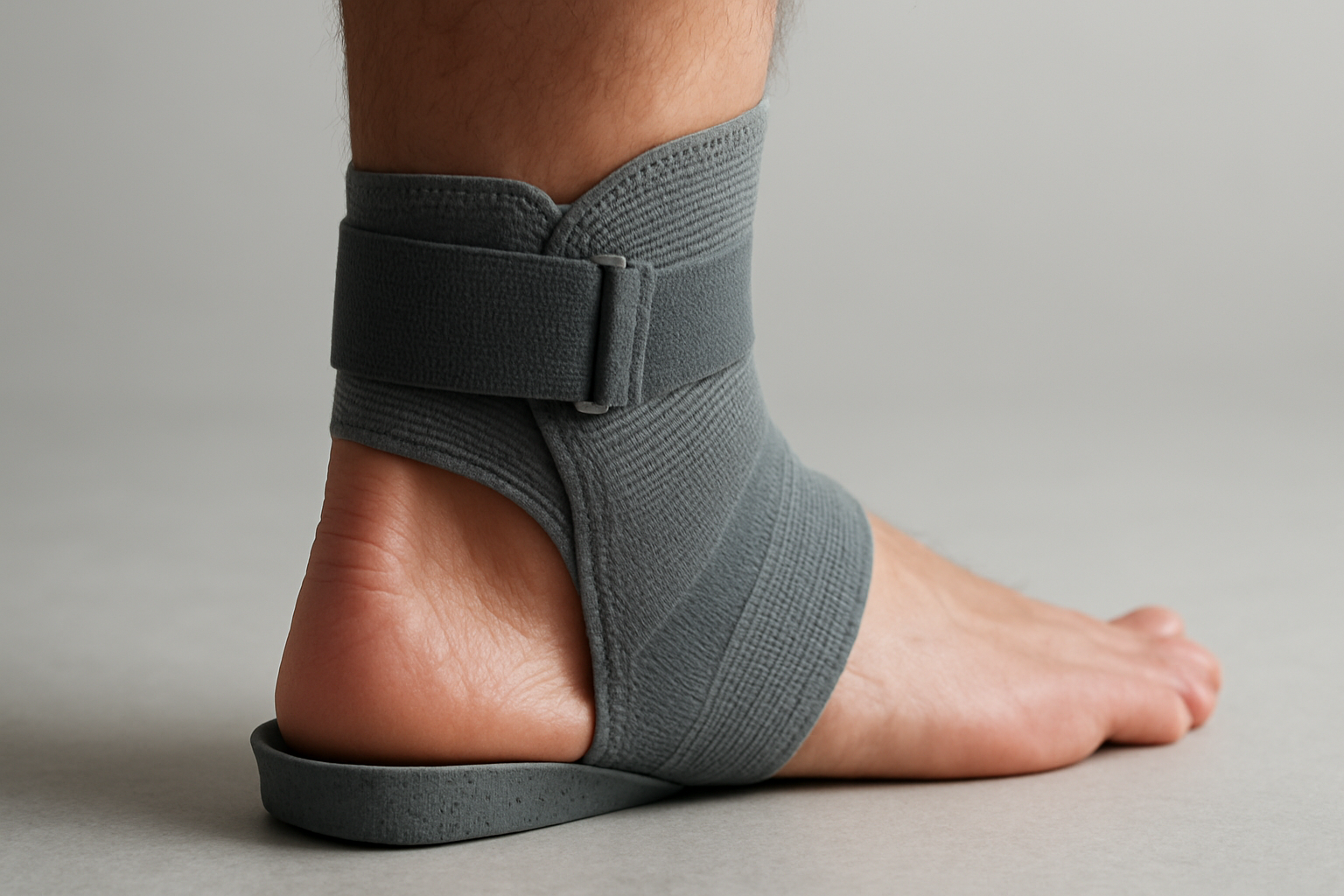
Achilles tendonitis demands compression and stability, not just rest — and the right brace can meaningfully reduce pain while you’re actually moving through your day. This is where a well-designed ankle support makes the difference between limping through recovery and actually functioning while your tendon heals.
What works
- Targeted compression around the Achilles and lower calf reduces micro-movements that trigger inflammation — most people report noticeable pain relief within the first few days of consistent wear, especially on stairs and during walking.
- The design doesn’t over-restrict ankle mobility, which matters because complete immobilization can actually delay tendon remodeling; you need just enough support to let your tendon work safely while it repairs.
- Unlike rigid boots or heavy wrapping, this stays in place throughout the day without slipping or creating pressure points that aggravate the surrounding tissue — durability and consistent fit are what separate a brace you’ll actually wear from one that ends up in a drawer.
What doesn’t
- This is a symptom manager, not a cure — wearing the brace doesn’t address the underlying issue (overuse, biomechanics, weak calf muscles), so you’ll need to combine it with gradual loading and strength work or pain will return when you stop wearing it.
- If your Achilles pain is severe or involves actual swelling or warmth, you may need medical evaluation first; a brace works best alongside load management, not as a substitute for assessing whether you have a partial tear or other structural damage.
A brace speeds up your ability to stay active during recovery, but it’s not magic — you still need to respect your tendon’s healing timeline and gradually rebuild what you’re asking it to do. Check out the INDEEMAX Ankle Brace if you’re looking for reliable daily support without the bulk.
About This Article

Written by Michael Torres. Michael Torres has had joint problems his whole life — hypermobile as a kid, chronic sprains and a dislocating shoulder through his twenties, an osteoarthritis diagnosis in his early fifties, and a right knee replacement since. He is not a doctor or a physical therapist and has no clinical training. He writes about what has helped him and what he has watched help the people around him, and says plainly when he has not tried something himself. More about this site.
Scope and limits. Michael has no medical or clinical training — he writes about living with his own joint pain, not about treating anyone else's. Nothing here is medical advice. Talk to a doctor before starting anything new, and get seen promptly for pain that is new, severe, worsening, or comes with swelling, fever, or numbness.
Verify this against a primary source
Specifics change, and your situation may differ from the one described here. These are the authorities worth checking directly:
- NIAMS — arthritis and musculoskeletal research from the NIH
- MedlinePlus — plain-language medical reference from the NIH
- Arthritis Foundation — condition guides and treatment overviews