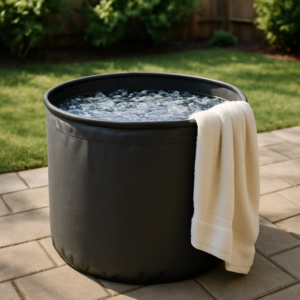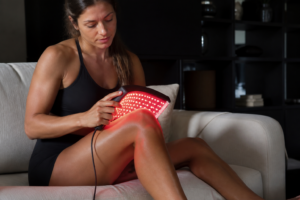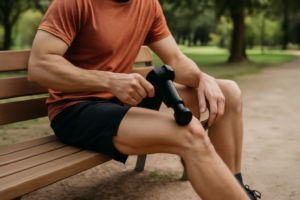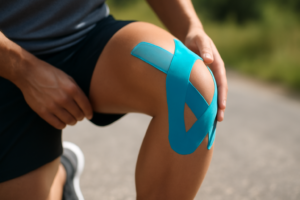


Picture this: you finally push through a tough weekend game, feel that familiar twinge in your knee during the third quarter, and wake up Monday morning barely able to bend your leg. If that sounds like your life, you are not alone. Sports injuries happen to weekend warriors and serious athletes alike, and figuring out how to manage the pain safely — without reaching for something that does more harm than good — is one of the most common questions I hear. Finding the right approach to joint pain relief sports recovery does not have to be complicated, but it does require a little more thought than just grabbing whatever is in the medicine cabinet.
Why Pain Relief Choices Matter More Than You Think During Sports Recovery
Here is something a lot of people do not fully appreciate: pain after a sports injury is not just an annoyance — it is your body communicating something important. The inflammation around a strained knee or a tweaked shoulder is part of the natural healing process. That does not mean you have to suffer through it, but it does mean that how you manage pain can either support healing or quietly work against it.
Oral NSAIDs like ibuprofen, for example, may help reduce swelling in the short term, but research suggests that long-term or heavy use during recovery can potentially interfere with tissue repair. And opioids — even when legitimately prescribed — carry real risks of dependence that make them a poor first-line choice for musculoskeletal sports injuries in otherwise healthy people. I always encourage people to start with the most targeted, lowest-risk options first and escalate only if truly necessary under a doctor’s guidance.
The good news? There are genuinely effective, safer alternatives that many athletes and active people have found helpful — and most of them are accessible without a prescription.
The PEACE & LOVE Approach: What Modern Sports Recovery Actually Looks Like
If you have not heard of the PEACE & LOVE framework, it has largely replaced the old RICE method (Rest, Ice, Compression, Elevation) in sports medicine thinking. Rather than just focusing on reducing inflammation immediately, this updated approach respects the body’s natural healing timeline.
- Protect the injured area initially to avoid further damage
- Elevate the limb to help manage swelling
- Avoid anti-inflammatories aggressively in the early days when possible
- Compress to manage swelling without restricting circulation
- Educate yourself — understand what is happening in your body
- Load the joint progressively as healing allows
- Optimism — mindset genuinely influences recovery outcomes
- Vascularization — gentle movement encourages blood flow to healing tissues
- Exercise — structured, progressive rehab is the cornerstone of real recovery
Pain relief strategies work best when they support this framework — not replace it. The goal is to feel well enough to move, not to mask pain so completely that you push too hard too soon.
Joint Pain Relief Sports Recovery: Products Worth Trying
I want to be straightforward with you here: no topical cream or device is going to heal a torn ligament on its own. What these products may do is make the day-to-day reality of recovery more manageable, reduce discomfort enough to allow gentle movement, and support the overall healing environment. Many people find meaningful relief with these options, and they carry far fewer risks than systemic pain medications.
Topical NSAIDs for Immediate Post-Injury Inflammation Without Oral Side Effects
When you’re dealing with acute swelling and localized joint pain in the first few days after a sports injury, a topical NSAID like diclofenac (Voltaren) gets anti-inflammatory medication directly to the problem area without running it through your digestive system. This is the fastest-acting topical option I’ve found that actually has the research backing it up.
What works
- Clinical studies show diclofenac gel reduces pain and swelling more effectively than generic menthol creams, with noticeable relief in 2–5 days of consistent application.
- You absorb significantly less systemic NSAID this way compared to oral ibuprofen, which means fewer GI issues and drug interactions if you’re taking other medications.
- It’s thin enough to absorb without greasy residue, and you can use it under compression wraps or tape without everything sliding around.
What doesn’t
- This is not a long-term solution—it’s meant for acute inflammation in the first 2–3 weeks post-injury, not chronic pain management.
- If your skin is sensitive or you’re allergic to NSAIDs, you’ll have the same reaction topically as orally; also, it won’t replace physical therapy or rest if the injury is structural.
Results depend on consistency—skip applications and you lose the momentum, so treat it like a real part of your recovery protocol, not a one-time fix. Voltaren Arthritis Pain Gel
About This Article

Written by Michael Torres. Michael Torres has had joint problems his whole life — hypermobile as a kid, chronic sprains and a dislocating shoulder through his twenties, an osteoarthritis diagnosis in his early fifties, and a right knee replacement since. He is not a doctor or a physical therapist and has no clinical training. He writes about what has helped him and what he has watched help the people around him, and says plainly when he has not tried something himself. More about this site.
Scope and limits. Michael has no medical or clinical training — he writes about living with his own joint pain, not about treating anyone else's. Nothing here is medical advice. Talk to a doctor before starting anything new, and get seen promptly for pain that is new, severe, worsening, or comes with swelling, fever, or numbness.
Verify this against a primary source
Specifics change, and your situation may differ from the one described here. These are the authorities worth checking directly:
- NIAMS — arthritis and musculoskeletal research from the NIH
- MedlinePlus — plain-language medical reference from the NIH
- Arthritis Foundation — condition guides and treatment overviews