
You know that feeling — you wake up in the morning, swing your legs over the side of the bed, and your knees or hips greet you with that familiar stiffness and ache before the day has even started. Maybe you’ve tried rest, ice, over-the-counter pain relievers, and still feel like you’re just managing symptoms rather than actually addressing what’s going on underneath. I’ve heard this from so many people, and honestly, it’s exhausting. What a lot of folks don’t realize is that what you put on your plate every single day can play a meaningful role in how your joints feel. Following an anti-inflammatory diet for joints isn’t a magic cure, but research suggests it may help reduce the chronic low-grade inflammation that contributes to joint pain and stiffness over time.
Why Inflammation Is the Real Problem for Your Joints
Inflammation gets a bad reputation, but it’s worth understanding what it actually is. Acute inflammation — the kind that shows up when you sprain your ankle — is your body doing its job. The swelling, redness, and heat are signs that your immune system is working to repair tissue. That’s healthy and necessary.
Chronic inflammation is a very different story. It’s low-level, persistent, and often driven by lifestyle factors including diet, stress, poor sleep, and inactivity. For people with conditions like osteoarthritis or rheumatoid arthritis, chronic inflammation can accelerate cartilage breakdown and increase joint pain significantly. What’s encouraging is that certain foods contain compounds that researchers believe may help dial down that inflammatory response in the body. You don’t have to overhaul your entire life overnight — even gradual, consistent dietary changes may help you notice a real difference in how your joints feel day to day.
Anti-Inflammatory Foods That May Actually Help Your Joints
Let’s talk specifics, because “eat healthier” isn’t advice anyone can actually use. Here are the foods and nutrients that show up consistently in the research and that many people with joint issues report genuine benefit from.
Fatty Fish
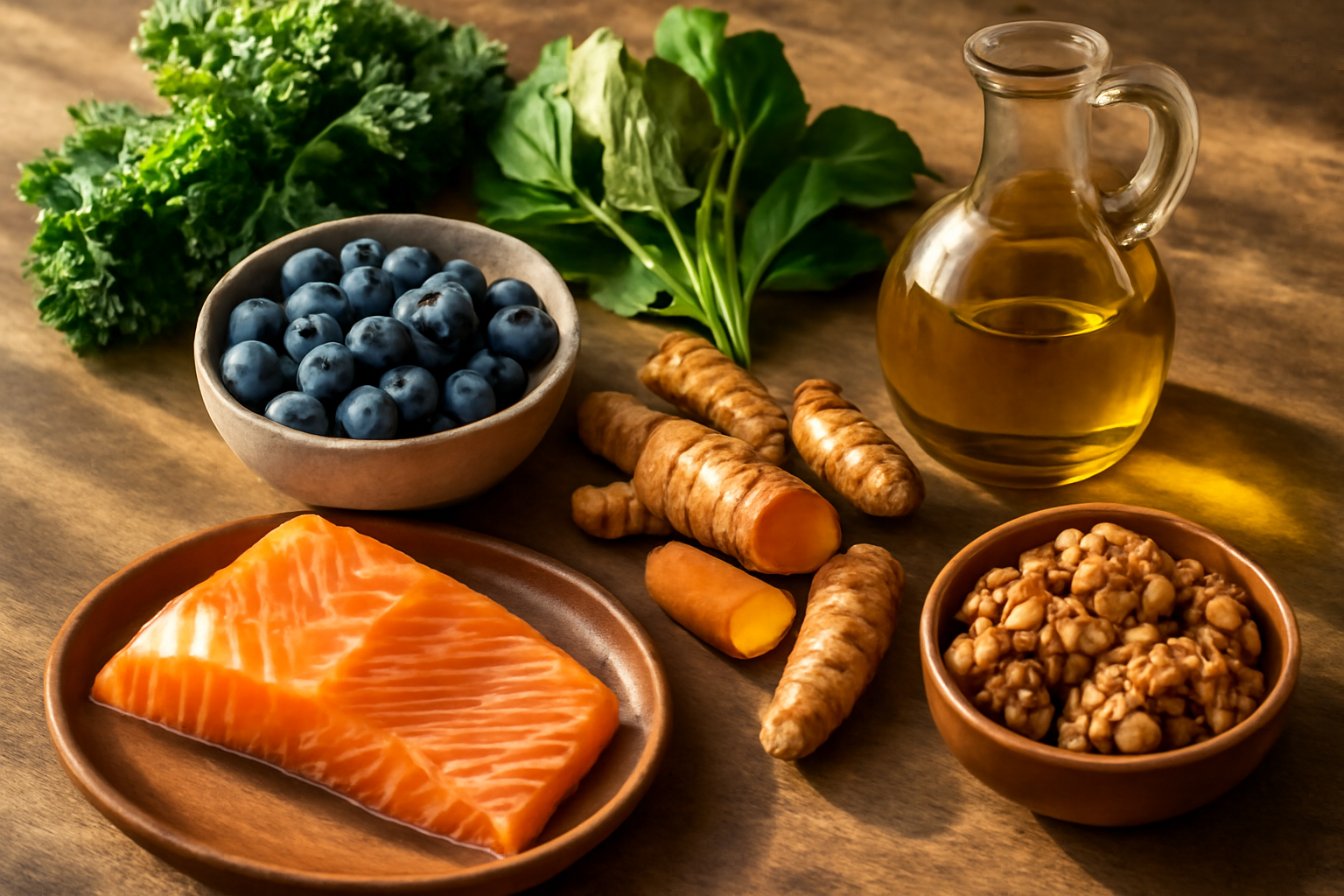
Salmon, mackerel, sardines, and herring are rich in omega-3 fatty acids — specifically EPA and DHA — which research suggests may help reduce inflammatory markers in the body. Many people find that adding two to three servings of fatty fish per week is one of the most impactful dietary changes they can make for joint comfort. If you’re not a big fish eater or simply want a more consistent daily dose, a quality fish oil supplement can fill that gap nicely.
Colorful Vegetables and Fruits
Leafy greens like spinach, kale, and Swiss chard are packed with antioxidants and vitamins C and K, both of which play roles in joint tissue health. Brightly colored berries — blueberries, strawberries, cherries — contain anthocyanins, plant compounds that research suggests may help reduce oxidative stress and inflammation. Think of the color variety on your plate as a rough guide to antioxidant diversity.
Turmeric and Ginger
These two root spices have been used in traditional medicine for centuries, and modern research is starting to back up what generations of people already knew. Curcumin — the active compound in turmeric — has been studied extensively for its potential anti-inflammatory properties. The catch is that curcumin on its own is poorly absorbed by the body. Pairing it with black pepper (which contains piperine) significantly enhances absorption. Adding turmeric and ginger to soups, stir-fries, and smoothies is a great start, but getting a therapeutic amount through diet alone is genuinely difficult.
Olive Oil and Nuts
Extra virgin olive oil contains oleocanthal, a compound that some researchers have compared to ibuprofen in terms of its anti-inflammatory mechanism — though at much gentler levels, of course. Walnuts, almonds, and other nuts provide healthy fats and vitamin E that may support joint health. Swapping processed cooking oils for extra virgin olive oil and keeping a small handful of mixed nuts as a daily snack are simple, sustainable changes most people can actually stick with.
Foods to Limit
The other side of an anti-inflammatory diet for joints is reducing the foods that may fuel inflammation. Refined sugars, processed snack foods, fried foods, and refined carbohydrates are among the most commonly cited dietary contributors to systemic inflammation. You don’t have to be perfect — but being aware of where these foods show up in your daily routine is a genuinely useful first step.
Products Worth Trying to Support Your Anti-Inflammatory Routine
Getting enough turmeric curcumin and omega-3s through food alone is tough for most people. These are the supplements I’d point a friend toward — all well-reviewed, transparently formulated, and reasonably priced for everyday use.
The Curcumin Dose That Actually Shows Up in Joint Inflammation Research
If you’re looking to actually reduce joint inflammation rather than just mask pain, curcumin from turmeric is one of the few supplements with solid research behind it — but only if you’re taking enough and pairing it with black pepper extract so your body can actually absorb it. This combination addresses the root inflammatory process that’s keeping your joints stiff and achy in the morning.
What works
- Curcumin blocks inflammatory pathways (specifically TNF-alpha and IL-6) that contribute to joint stiffness — the research on this is real, which is why it shows up in so many clinical trials for joint health.
- Black pepper extract (piperine) increases curcumin absorption by 2000% — without it, most of what you take passes right through you, which is why cheap turmeric supplements don’t work.
- Most people report noticeable reduction in morning stiffness and joint aches within 4-6 weeks of consistent use, with continued improvement over 8-12 weeks — this is the timeline you should actually expect.
What doesn’t
- If you have severe joint damage or advanced osteoarthritis, curcumin alone won’t reverse structural degradation — it helps reduce inflammation and pain, but it’s not a replacement for physical therapy or medical intervention when you need it.
- It takes 4-6 weeks minimum to notice anything, and it doesn’t work the same way for everyone — some people see dramatic improvement, others see modest benefits, and a small percentage don’t respond noticeably at all.
Curcumin works best as part of an anti-inflammatory strategy, not as a standalone fix, so make sure you’re also addressing diet, movement, and sleep alongside supplementation. Turmeric Curcumin with Black Pepper Extract 1500mg
About This Article

Written by Michael Torres. Michael Torres has had joint problems his whole life — hypermobile as a kid, chronic sprains and a dislocating shoulder through his twenties, an osteoarthritis diagnosis in his early fifties, and a right knee replacement since. He is not a doctor or a physical therapist and has no clinical training. He writes about what has helped him and what he has watched help the people around him, and says plainly when he has not tried something himself. More about this site.
Scope and limits. Michael has no medical or clinical training — he writes about living with his own joint pain, not about treating anyone else's. Nothing here is medical advice. Talk to a doctor before starting anything new, and get seen promptly for pain that is new, severe, worsening, or comes with swelling, fever, or numbness.
Verify this against a primary source
Specifics change, and your situation may differ from the one described here. These are the authorities worth checking directly:
- NIAMS — arthritis and musculoskeletal research from the NIH
- MedlinePlus — plain-language medical reference from the NIH
- Arthritis Foundation — condition guides and treatment overviews