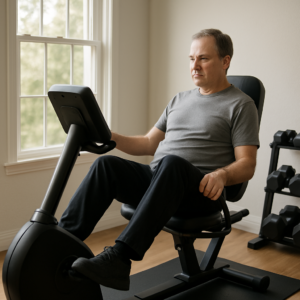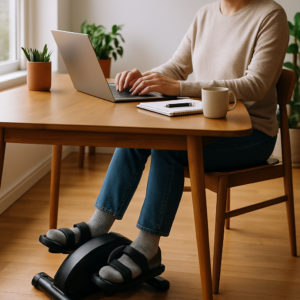

You wake up one morning with a scratchy throat, puffy eyes, and joints that feel like they’ve been filled with wet cement. Sound familiar? Whether it’s a seasonal cold, allergies kicking in, or something more serious, that achy, stiff feeling in your knees, hips, and shoulders can make you want to do absolutely nothing — and honestly, sometimes that’s the right call. But here’s what I’ve learned from years of working with patients: knowing when and how to do low-impact exercise when sick can be the difference between a slow, painful recovery and bouncing back faster with your mobility intact.
First Things First: Is It a Cold, Allergies, or Something Else?
This question matters more than most people realize — especially for your joints. According to Apex Medical Center, there’s a meaningful difference between a seasonal allergy flare, a common cold, and a viral illness like COVID-19. Allergies typically bring itchy eyes, sneezing, and a runny nose, but no fever. A cold usually comes with congestion, a sore throat, and mild fatigue. A more serious illness may include fever, body aches, chest tightness, and deep fatigue that knocks you flat.
Why does this matter for your joints? Because inflammation is at the center of all three. When your immune system goes on high alert, it releases inflammatory cytokines throughout your body. If you already live with joint sensitivity — whether from arthritis, an old injury, or general wear and tear — that systemic inflammation can make your joints feel significantly worse, even if they’re not directly involved in the illness. It’s not in your head. Your body is legitimately struggling, and your joints are along for the ride.
The “Above the Neck” Rule and What It Actually Means for Joint Movement
You’ve probably heard the old fitness guideline: if symptoms are above the neck (runny nose, mild headache, sneezing), gentle exercise is usually fine. If symptoms are below the neck (chest congestion, body aches, fever, nausea), rest is the smarter move. I find this rule to be a solid starting point, but I’d add a layer specifically for joint health.
Even when you’re cleared for light activity, this is not the time to push range of motion, try a new workout, or stress already-inflamed joints. Your connective tissue is more vulnerable when you’re fighting something off. Ligaments and tendons can be more susceptible to strain when the body is systemically inflamed. What I tell people: move gently and purposefully, not ambitiously.
What “Gentle and Purposeful” Actually Looks Like
- Seated joint circles: Slowly rotate ankles, wrists, and shoulders while seated. This keeps synovial fluid moving without stressing the joint.
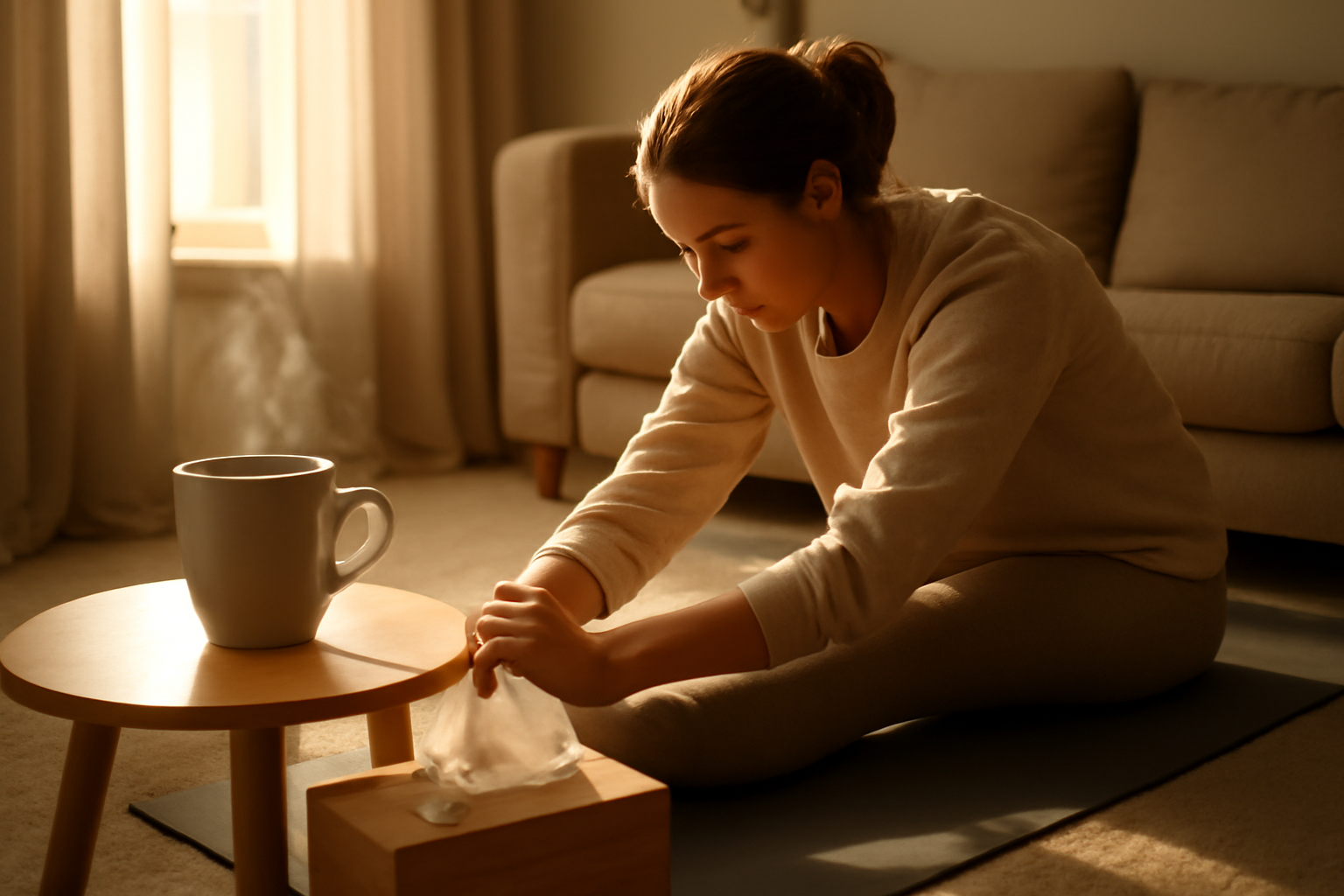
- Supine knee-to-chest stretches: Lying on your back, gently pull one knee toward your chest and hold for 20–30 seconds. Many people find this relieves lower back and hip stiffness.
- Short, slow walks: Even 5–10 minutes around your home or a flat outdoor path may help circulation without taxing your system.
- Gentle yoga or stretching: Child’s pose, cat-cow, and seated forward folds can maintain flexibility with minimal strain.
- Warm water movement: If you have access to a warm bath or pool, gentle movement in warm water is one of the kindest things you can do for stiff joints.
If any movement causes sharp pain, dizziness, or increased shortness of breath — stop. Full stop. That’s your body asking for rest, and rest is a legitimate form of recovery.
Low-Impact Exercise When Sick: Supporting Your Immune System From the Inside Out
Here’s something I wish more people understood: sustainable joint health during illness isn’t just about what you do physically. It’s also about giving your immune system the raw materials it needs to do its job efficiently so inflammation doesn’t linger longer than necessary. That’s where thoughtful supplementation may play a supporting role.
I’m not a big fan of overhyping supplements — the research is mixed on a lot of products. But a few key nutrients have enough consistent evidence behind them that I feel comfortable mentioning them to patients dealing with both immune stress and joint discomfort.
Why Vitamin C + Zinc Matters When Your Immune System is Dragging Your Joints Down
When you’re fighting off a cold or dealing with allergy flare-ups, your body is working overtime — and that inflammatory state hits your joints hard. Vitamin C and zinc are two of the few micronutrients with actual research backing their role in immune function, and keeping your levels up while you’re sick can help shorten the duration and reduce the joint stiffness that comes with it.
What works
- Zinc taken early in illness (within 24 hours of symptoms) has solid research showing it can reduce cold duration by a day or two — and less time sick means less time with that inflammatory joint achiness.
- Vitamin C at higher doses (500mg+) doesn’t prevent colds in most people, but it does appear to reduce symptom severity, which translates to less systemic inflammation affecting your joints.
- This combo formulation saves you from juggling two bottles and makes it more likely you’ll actually take it consistently during the messy days when you’re too tired to think straight.
What doesn’t
- This won’t stop you from getting sick in the first place — if you’re already symptomatic, you’re already symptomatic; the window for zinc’s preventive effect is narrow and closing.
- Taking zinc long-term or in excess can actually impair copper absorption and suppress immunity over time, so this is a “while you’re actively sick” tool, not a daily insurance policy.
Supplements work best when you’re already doing the basics — rest, fluids, and realistic expectations — and this one is no different. Nature’s Bounty Vitamin C + Zinc
About This Article

Written by Michael Torres. Michael Torres has had joint problems his whole life — hypermobile as a kid, chronic sprains and a dislocating shoulder through his twenties, an osteoarthritis diagnosis in his early fifties, and a right knee replacement since. He is not a doctor or a physical therapist and has no clinical training. He writes about what has helped him and what he has watched help the people around him, and says plainly when he has not tried something himself. More about this site.
Scope and limits. Michael has no medical or clinical training — he writes about living with his own joint pain, not about treating anyone else's. Nothing here is medical advice. Talk to a doctor before starting anything new, and get seen promptly for pain that is new, severe, worsening, or comes with swelling, fever, or numbness.
Verify this against a primary source
Specifics change, and your situation may differ from the one described here. These are the authorities worth checking directly:
- NIAMS — arthritis and musculoskeletal research from the NIH
- MedlinePlus — plain-language medical reference from the NIH
- Arthritis Foundation — condition guides and treatment overviews