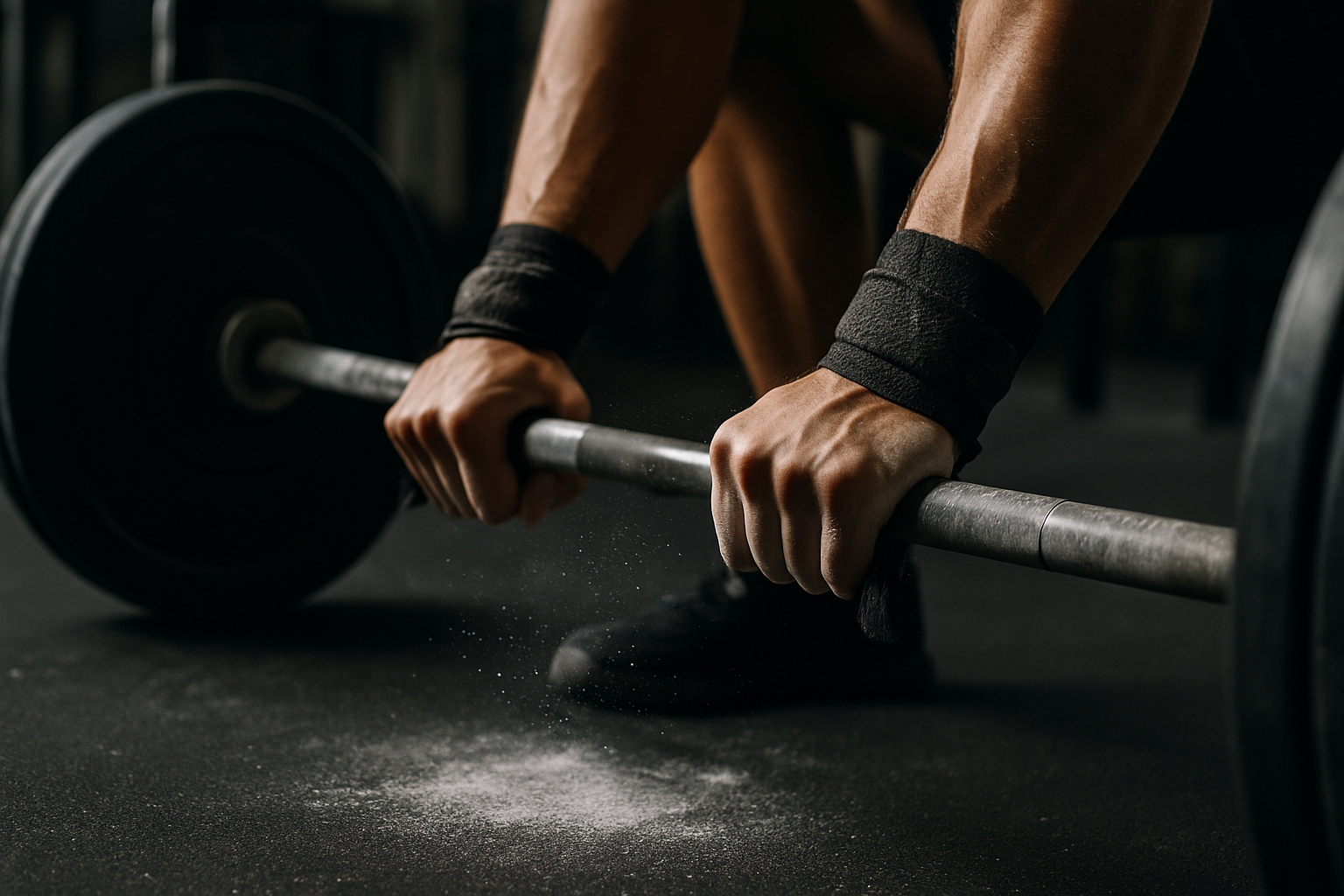

You’re halfway through a heavy bench press session when that familiar ache starts creeping into your wrists. Maybe you’ve been pushing through it for weeks, telling yourself it’ll pass. Or maybe a gym buddy hands you a pair of wrist wraps for weightlifting and suddenly — relief. The bar feels more stable, your confidence goes up, and you actually finish your sets. So now you’re wondering: are these things actually protecting my wrists, or am I just fooling myself into feeling better? I get that question a lot, and the honest answer is more nuanced than a simple yes or no.
What Wrist Wraps Actually Do (And What They Don’t)
Let’s start with the mechanics. When you’re pressing, squatting, or performing any overhead movement under load, your wrist joint is asked to maintain a neutral or slightly extended position while absorbing significant force. If the stabilizing muscles and tendons around the wrist are fatigued, underdeveloped, or irritated, that joint can drift into hyperextension — and that’s where strain and injury risk go up.
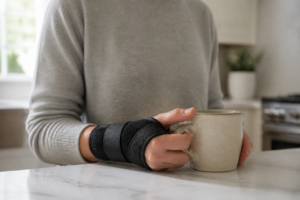
Wrist wraps work by providing external compression and limiting excessive range of motion. Think of them as a temporary reinforcement for the joint — like adding a supporting wall when the existing structure is under stress. Research suggests that compression around a joint may help reduce localized inflammation and improve proprioception, which is your body’s awareness of where a joint is in space. Better proprioception often translates to better control and more confident movement patterns under load.
Here’s the part I always make sure to say clearly: wraps are a tool, not a fix. They don’t strengthen the muscles around your wrist. They don’t correct poor lifting mechanics. And they won’t address an underlying injury that needs attention. What they can do is reduce load on an irritated joint during training while you work on the root cause — and for many lifters, that’s genuinely valuable.
Who Should Actually Be Using Wrist Wraps for Weightlifting
Not everyone needs wraps, and honestly, I’d encourage newer lifters to develop wrist stability through unassisted training first. If your wrists are healthy and your loads are manageable, going without wraps will help you build the intrinsic strength that supports long-term joint health. That said, there are situations where wraps genuinely make sense.
- Maximal or near-maximal lifting: When you’re testing a heavy one-rep max on bench, overhead press, or front squat, wraps may help stabilize the wrist under loads your supporting tissues wouldn’t otherwise tolerate.
- Managing wrist irritation or mild strain: If you’ve got some ongoing wrist discomfort that isn’t serious enough to stop training but still flares under load, wraps can allow you to continue training with reduced stress on the joint. Always check with a healthcare provider for persistent or sharp pain.
- High-volume pressing days: Accumulative load adds up. Many people find relief with wraps during high-rep bench or push press sessions where wrist fatigue sets in over multiple sets.
- Competitive powerlifting: If you’re competing, wraps are a standard part of the equipment toolkit, and using IPF-approved wraps during training helps you practice with competition gear.
The Wrist Wrap That Actually Stabilizes Without Being a Crutch
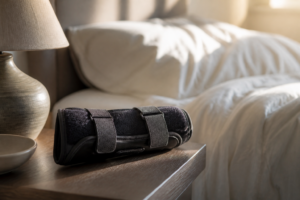
If you’re dealing with wrist pain during pressing movements or heavy compound lifts, a quality compression wrap provides immediate structural support while you address the underlying mobility or strength issue. The Gymreapers Competition Grade wraps are built specifically for this — rigid enough to limit excessive extension without sacrificing the feedback you need to actually improve your form.
What works
- The rigid construction (vs. stretchy alternatives) actually prevents wrist extension during heavy lifts — you feel more stable under the bar, not just psychologically, but mechanically. This is the difference between support and false confidence.
- Users consistently report reduced sharp pain during bench press and overhead work within the first few sessions, especially those with mild wrist instability or previous minor sprains that flare up under load.
- Competition-grade wraps are longer (18″) and use velcro-and-hook closures that stay tight throughout your set — cheaper wraps slip or loosen, which defeats the purpose and trains poor habits.
What doesn’t
- These wraps are NOT a fix for chronic wrist pain or underlying mobility issues — they’re a tool that buys you time to actually work on wrist flexion, extension, and radial/ulnar deviation. If your pain comes from poor positioning or weak stabilizers, the wraps will mask the problem, not solve it.
- There’s a learning curve to wrapping tight enough to get benefit without cutting off circulation, and some people find the setup time annoying when they’re just trying to get through a workout — this is a non-issue if you’re serious about lifting, but it’s worth knowing.
Wrist wraps work best when they’re paired with actual wrist mobility work and attention to your pressing form — they’re not a substitute for addressing why your wrists hurt in the first place. Check out the Gymreapers Weightlifting Wrist Wraps (Competition Grade) 18″ if you’re ready to stabilize your lifts while you build the foundation underneath.
About This Article

Written by Michael Torres. Michael Torres has had joint problems his whole life — hypermobile as a kid, chronic sprains and a dislocating shoulder through his twenties, an osteoarthritis diagnosis in his early fifties, and a right knee replacement since. He is not a doctor or a physical therapist and has no clinical training. He writes about what has helped him and what he has watched help the people around him, and says plainly when he has not tried something himself. More about this site.
Scope and limits. Michael has no medical or clinical training — he writes about living with his own joint pain, not about treating anyone else's. Nothing here is medical advice. Talk to a doctor before starting anything new, and get seen promptly for pain that is new, severe, worsening, or comes with swelling, fever, or numbness.
Verify this against a primary source
Specifics change, and your situation may differ from the one described here. These are the authorities worth checking directly:
- NIAMS — arthritis and musculoskeletal research from the NIH
- MedlinePlus — plain-language medical reference from the NIH
- Arthritis Foundation — condition guides and treatment overviews