
When Your Body Sends the Bill
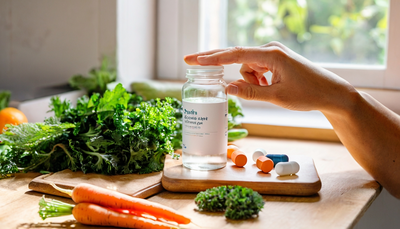
That swollen knee wasn’t random. It was the result of months of low-grade inflammation quietly building pressure. Chronic inflammation doesn’t always announce itself dramatically. Instead, it whispers — through stiffness, fatigue, and joints that ache without obvious injury.
Common early warning signs most people ignore:
- Morning stiffness lasting more than 30 minutes
- Persistent puffiness around joints
- Unexplained tiredness after full sleep
- Recurring headaches or brain fog
Furthermore, many people blame lifestyle factors — wrong shoes, cold weather, desk posture — before considering internal inflammation. That delay matters enormously.
—
The Offhand Turmeric Mention
Doctors sometimes recommend turmeric almost casually. However, that casualness is deceiving. Turmeric contains curcumin, a compound with significant anti-inflammatory research behind it.
My grandmother kept dried turmeric root in her kitchen like a staple — she called it “the joint medicine that tastes like earth.”
Therefore, when a doctor mentions it, take notes. It’s underappreciated precisely because it’s natural, affordable, and unglamorous.
What Makes Turmeric So Special?
Turmeric isn’t just a kitchen staple. It’s one of the most researched spices on the planet. For thousands of years, Ayurvedic and traditional Chinese medicine practitioners used it to treat everything from joint pain to digestive issues. Modern science has finally caught up — and the results are genuinely impressive.
The real power lives inside a compound called curcumin. Source Curcumin gives turmeric its vivid golden color and drives most of its health benefits. However, curcumin makes up only about 2–5% of turmeric by weight, which matters when you’re choosing between food and supplements.

Turmeric as a Natural Anti-Inflammatory
Inflammation is your body’s defense system. Short-term, it protects you. Long-term, it quietly destroys joints, arteries, and cells. This is where turmeric steps in with real authority.
Curcumin blocks NF-kB, a molecule that travels into cell nuclei and activates inflammation-related genes. Source Additionally, it suppresses several inflammatory enzymes — COX-2 and LOX — that common pain medications also target.
This matters enormously for people managing arthritis, muscle soreness, or post-workout recovery. In contrast to NSAIDs like ibuprofen, turmeric doesn’t damage the stomach lining with regular use. Therefore, many people find it a gentler long-term option.
The Antioxidant Bonus
Beyond inflammation, curcumin neutralizes free radicals directly. Source It also boosts your body’s own antioxidant enzymes. As a result, regular turmeric consumption may slow cellular aging and reduce oxidative stress linked to chronic disease.
The Bioavailability Problem — and the Fix
Here’s the frustrating part. Curcumin absorbs poorly on its own. Your gut processes it quickly, and very little enters your bloodstream. However, there’s a simple, well-documented solution.
Black pepper. Piperine, the Source active compound in black pepper, increases curcumin absorption by up to 2,000%. Always pair your turmeric with black pepper — in food, drinks, or supplements.
Fat also helps significantly. Curcumin is fat-soluble, meaning it absorbs better alongside healthy fats like coconut oil, olive oil, or full-fat milk. Therefore, golden milk made with whole milk or coconut milk isn’t just delicious — it’s strategically smart.

How to Actually Use Turmeric Every Day
Knowing the benefits means nothing without consistent action. Fortunately, turmeric fits into daily life more easily than most people realize.
Golden Milk (The Classic)
This soothing elixir, often called “Golden Milk,” offers more than just warmth. Begin by gently heating your chosen liquid; full-fat dairy provides richness, while almond or oat milk offers a lighter, plant-based alternative. Warming ensures the spices dissolve perfectly, creating a smooth, comforting drink.
Each ingredient plays a crucial role. Turmeric, with its vibrant color, contains curcumin, a powerful anti-inflammatory compound. However, curcumin’s absorption needs a boost. Therefore, a tiny pinch of black pepper is essential; it significantly enhances bioavailability. Moreover, cinnamon adds a delightful warmth and helps stabilize blood sugar. Finally, a touch of honey or maple syrup sweetens the blend naturally. Whisk thoroughly to prevent any grittiness, then sip this nourishing brew about an hour before sleep.
This synergistic blend profoundly impacts well-being. Curcumin targets inflammation pathways throughout the body, directly easing joint discomfort. Many individuals report a noticeable reduction in morning stiffness. Such improvements often appear within two to three weeks of consistent nightly consumption. Beyond physical comfort, Golden Milk promotes restful sleep. The warm liquid is inherently calming, and the spices support relaxation. My grandmother swore by her nightly cup, claiming it kept her knees spry for gardening. I remember the comforting aroma filling her kitchen. Together, these elements create a serene environment, preparing your body for restorative rest.
Turmeric Latte (Coffee Shop Style)
Brew strong espresso or strong black tea. Steam oat milk or almond milk separately. Add half a teaspoon of turmeric, a pinch of pepper, and a dash of vanilla extract. Combine and froth. Additionally, a small amount of coconut oil blended in creates a creamier texture and improves curcumin absorption simultaneously.
Smoothies
Turmeric blends seamlessly into fruit smoothies. Source Combine frozen mango, banana, coconut milk, one teaspoon of turmeric, a pinch of black pepper, and fresh ginger. The mango masks any bitterness entirely. Meanwhile, the ginger amplifies turmeric’s anti-inflammatory effects — both compounds share overlapping mechanisms.

Cooking with Turmeric
Sprinkle turmeric into scrambled eggs, soups, lentil dishes, roasted vegetables, or rice. Even small daily amounts — a quarter to half a teaspoon — contribute meaningfully over time. Consistency beats intensity every single time.
Supplements: When Food Isn’t Enough
Some health goals require higher doses than food alone delivers. For active inflammation management or pain relief, supplements offer a more concentrated approach.
Choosing the Right Supplement
Look for supplements containing standardized curcumin extract (typically 95% curcuminoids) rather than plain turmeric powder. Additionally, choose products that include piperine or use enhanced delivery systems like liposomal curcumin or phytosome technology. These formats dramatically improve absorption without requiring black pepper.
Dosage Guidance for Pain and Inflammation
Finding Your Turmeric Sweet Spot: Dosage Made Simple
Starting low is always the smartest move. For general wellness, 500–1,000 mg of curcumin daily gives your body time to adjust. This range suits people who want:
- Everyday antioxidant support
- Mild digestive comfort
- General anti-inflammatory maintenance
Therefore, think of this tier as your foundation dose.
—
When Pain or Inflammation Calls for More
For active joint discomfort, practitioners often recommend 1,500–2,000 mg daily. Splitting this across two or three meals improves absorption significantly. For example, 500 mg at breakfast, lunch, and dinner works well for many people.
My aunt swore by her post-lunch turmeric capsule after her knee surgery — her rheumatologist actually encouraged it alongside her prescribed care.
—
Critical Safety Considerations
However, dosage isn’t one-size-fits-all. Always consult your doctor first, particularly if you:
- Take blood thinners like warfarin or aspirin
- Have upcoming surgery scheduled
- Manage gallbladder conditions
Curcumin’s mild anticoagulant properties can consequently amplify bleeding risk when combined with certain medications.
Don’t expect overnight results. Most people report noticeable changes after four to eight weeks of consistent use. Therefore, patience and routine matter more than any single large dose.
Real Results: What Consistency Looks Like
Anecdotally, the people who benefit most from turmeric share one trait — they don’t stop after a week. Source One reader described adding golden milk to her nightly routine for six weeks before her morning knee pain noticeably decreased. Another incorporated turmeric into post-workout smoothies and found his recovery time shortened measurably.
In contrast, people who try turmeric once or twice and expect dramatic results almost always feel disappointed. The spice rewards commitment, not experimentation.
A Few Things to Watch
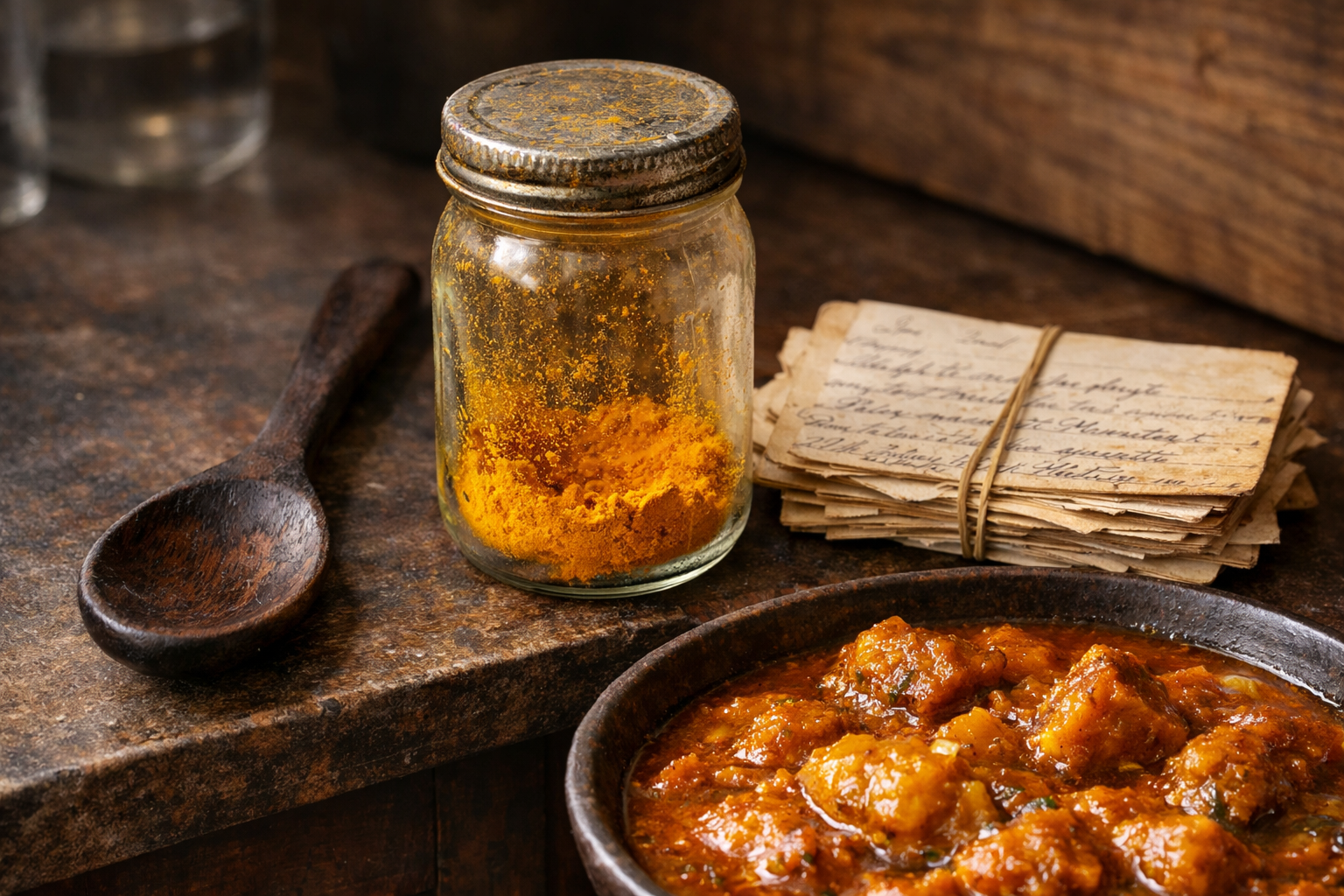
For most individuals, incorporating turmeric into daily life is quite safe. Typically, culinary use involves adding the vibrant spice to curries, soups, or golden lattes. These amounts are generally well-tolerated. Similarly, moderate supplemental doses — often 500-1000 mg of curcuminoids daily — pose little risk. This active compound, curcumin, is widely studied.
However, exceeding these recommended levels can lead to unwanted side effects. Very high doses, for instance, several grams of concentrated extract, may trigger discomfort. Specifically, some users report mild digestive upset, nausea, or even diarrhea. This can happen because excessive curcumin irritates the gastrointestinal tract. Moreover, individual sensitivity varies greatly. Therefore, starting with a lower dose is always a wise approach when beginning supplementation.
Furthermore, a specific caution applies to individuals with gallbladder disease. Curcumin actively stimulates bile production. While beneficial for some, this can exacerbate issues like gallstones or blockages. Consequently, if you have a history of gallbladder problems, always consult your doctor first. Professional medical guidance is essential before taking turmeric supplements.
Moreover, expectant mothers require particular care. Stick to culinary amounts of turmeric in food during pregnancy. High-dose supplements lack sufficient safety data for this sensitive period. Animal studies, at extreme levels, hint at potential uterine effects. Thus, always seek advice from your healthcare provider before considering any supplement. My grandmother always said, “When in doubt, ask the expert,” especially concerning health.
Bringing It All Together
Turmeric earns its reputation honestly. The science supports it, traditional medicine has validated it for centuries, and millions of people use it successfully every day. The key is combining it with black pepper and fat for proper absorption, maintaining consistent daily intake, and choosing quality supplements when food isn’t enough.
Start simple. Add turmeric to your morning smoothie this week. Try golden milk before bed. Give it six weeks before you judge the results. Your joints, your cells, and possibly your doctor will thank you. Sometimes the most powerful remedies aren’t complicated — they’re just golden, warm, and waiting in your spice cabinet.
What I Recommend
If you’re ready to add turmeric to your routine but want a straightforward supplement option, a quality turmeric curcumin supplement is an easy place to start. I’ve found that my patients who struggle with consistency benefit from the simplicity of taking a capsule daily rather than trying to incorporate fresh turmeric into every meal.
Here’s something I always tell clients: turmeric works even better when paired with black pepper. The piperine in black pepper dramatically increases curcumin absorption, which means you’re actually getting the benefits your body needs. That’s why I recommend looking for a turmeric and black pepper combination supplement—it takes the guesswork out of getting the right ratio.
If you want to maximize how much curcumin your body actually absorbs, a high-bioavailability curcumin supplement is worth considering. These formulations use special delivery systems that help your body utilize the active compounds more effectively, which I’ve seen make a noticeable difference for patients with stubborn joint inflammation.
When you’re specifically dealing with joint discomfort, an anti-inflammatory supplement designed for joint health often combines turmeric with other proven ingredients like ginger and boswellia. In my 14+ years of practice, I’ve seen these comprehensive blends give faster relief than turmeric alone.
If you prefer cooking with real food over supplements, organic turmeric powder is a staple in my own kitchen. I use it in curries, soups, and scrambled eggs—it’s versatile, potent, and reminds you that medicine can taste delicious.
One of my favorite recommendations for patients is golden milk, a warm turmeric drink that feels like self-care in a mug. A quality golden milk turmeric blend takes the work out of measuring spices, and many of my clients tell me it’s become their evening ritual—perfect for winding down after physical therapy sessions.
For those looking for a comprehensive approach to joint wellness, a dedicated joint pain relief supplement often combines turmeric with complementary ingredients that work synergistically. I’ve recommended this type of formula to countless patients who want to address their joint health from multiple angles.
Don’t overlook the power of black pepper and piperine supplements on their own if you’re already taking turmeric separately. Adding a piperine supplement can significantly boost your curcumin absorption, making your existing turmeric routine work harder for you.
If you want simplicity without sacrificing effectiveness, a well-formulated turmeric blend takes the guesswork out of what to combine and in what amounts. I like recommending these to patients who are new to turmeric because they’re already optimized for maximum benefit.
When you’re cooking with turmeric, using quality coconut oil as your cooking fat amplifies the benefits even further. Curcumin is fat-soluble, meaning it absorbs better with healthy fats—and coconut oil adds its own anti-inflammatory properties to the equation.
*As an Amazon Associate, I earn from qualifying purchases.