
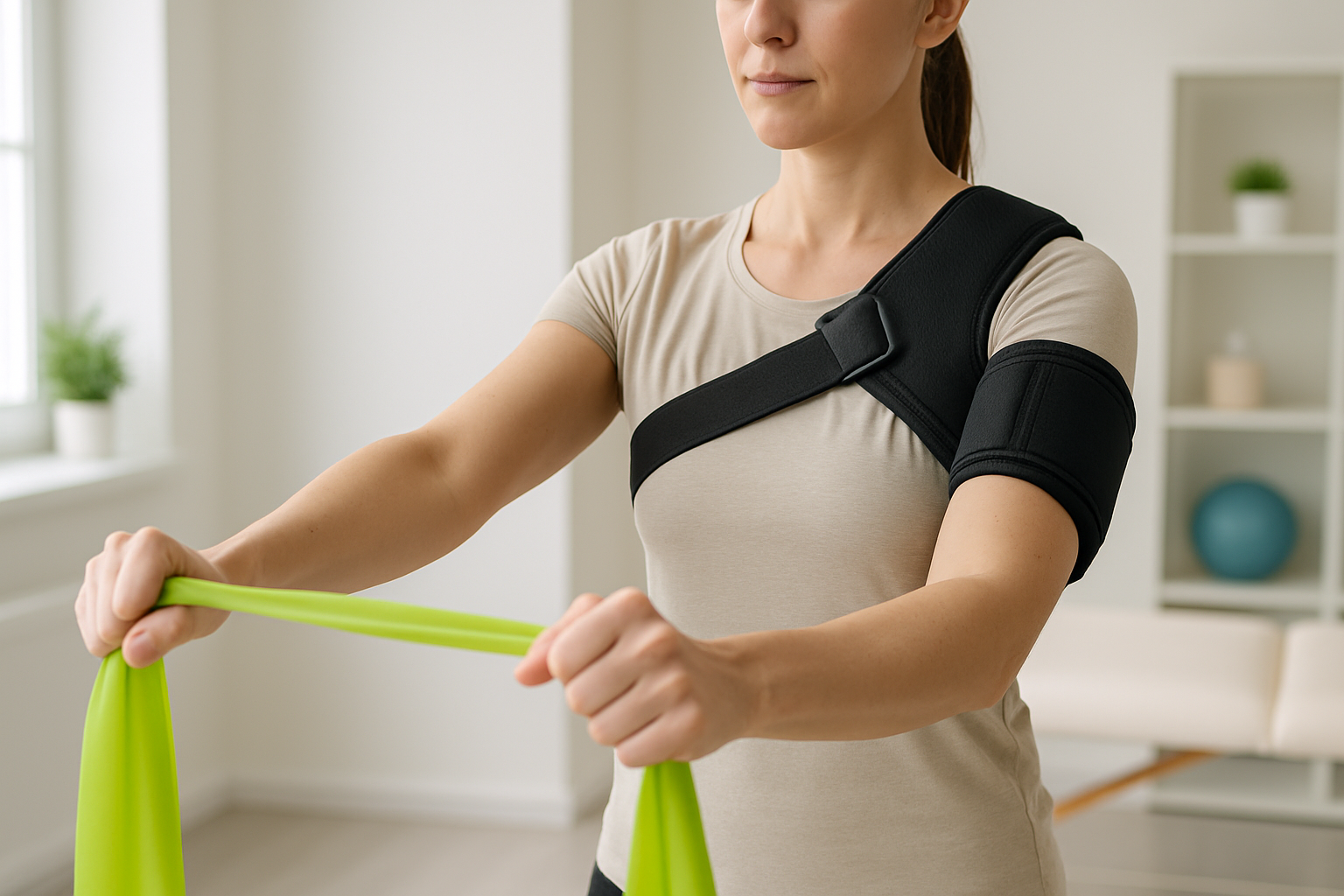
You reach up to grab something off a high shelf — maybe a coffee mug, maybe a bag from the overhead bin — and suddenly there it is: a sharp, nagging pain deep in your shoulder that stops you cold. Sound familiar? If you’ve been dealing with persistent shoulder pain that worsens when you lift your arm, sleep on your side, or reach behind your back, there’s a real chance you’re dealing with a rotator cuff injury. Shoulder support options have come a long way, and understanding what a rotator cuff injury shoulder support can actually do for you may be the first step toward getting your life back.
This post contains affiliate links. As an Amazon Associate, I earn from qualifying purchases. This means I may earn a small commission if you click through and make a purchase — at no extra cost to you. I only recommend products I genuinely believe may help based on what I know about joint health and recovery.
What Exactly Is a Rotator Cuff Injury?
Your rotator cuff is a group of four muscles and their tendons that surround the shoulder joint, keeping the head of your upper arm bone securely in the socket. These muscles work together every time you raise, rotate, or stabilize your arm — which, if you think about it, is basically all day long. That constant demand makes the rotator cuff surprisingly vulnerable.
Rotator cuff injuries generally fall into a few categories. Tendinitis is the most common starting point — the tendons become irritated and inflamed, often from repetitive overhead movements. Bursitis often tags along, causing the fluid-filled sac (bursa) near the joint to swell and add to that deep, aching pain. Then there are partial or full-thickness tears, which can happen suddenly from a fall or develop slowly over years of wear and tear. Many people are genuinely surprised when imaging reveals a significant tear, because the pain had crept up so gradually they’d normalized it.
Research suggests that rotator cuff problems are incredibly common, particularly in people over 40 and in anyone who does a lot of repetitive arm work — athletes, painters, teachers, caregivers, desk workers who slump and strain. The good news is that many rotator cuff injuries, especially partial tears and tendinitis, respond well to conservative management: rest, physical therapy, ice, and the right supportive tools.
How Shoulder Supports May Help During Recovery
I want to be honest with you here, the way I would be with any patient: a shoulder brace or support is not a cure. It won’t repair torn tissue on its own. What it can do — and what many people find genuinely helpful — is reduce unnecessary movement that aggravates healing tissue, provide light compression that may ease inflammation, offload some stress from the joint, and give you a sense of stability when everyday tasks feel unpredictable and scary.
Think of a shoulder support as a tool in your recovery toolkit, not the whole toolkit. Pair it with prescribed exercises, appropriate rest, and ice therapy, and you’re giving your body a much better environment to heal. Here’s what to look for when choosing one:
- Adjustability: Your shoulder isn’t one-size-fits-all. Look for supports with multiple adjustment points so you can dial in the right compression without cutting off circulation.
- Breathability: You’ll be wearing this for hours at a time. A breathable fabric makes a big difference in comfort and compliance.
- Arm sling compatibility: For more acute injuries or post-surgical recovery, a combined brace and arm sling design helps immobilize the shoulder more completely.
- Left/right versatility: A support that works on either arm is practical, especially if you’re unsure which side may eventually need attention, too.
- Cold therapy integration: Compression plus targeted cold therapy is a powerful combination for managing swelling and pain, particularly in the early stages of injury or after activity.
Rotator Cuff Injury Shoulder Support Products I Recommend
After looking at what’s available and considering the features that tend to make the most practical difference for people managing shoulder injuries at home, here are four options worth considering.
Komoko Shoulder Brace with Arm Sling
The Komoko Shoulder Brace is a solid all-in-one option that combines a rotator cuff compression sleeve with an integrated arm sling. If your injury is in a more acute phase and your arm needs actual offloading — meaning you need to rest the shoulder entirely rather than just support it during movement — this type of design is particularly useful. The adjustable straps allow you to customize the fit for both the compression level and the sling position, and it’s designed to work on either arm, which I appreciate. Many people find this style helpful during the early weeks of recovery when the shoulder simply needs to be held still.
Breathable Rotator Cuff Support and Arm Sling
If breathability is your top concern — and it really should be if you’re active or live somewhere warm — the Breathable Rotator Cuff Support and Arm Sling is worth a close look. The design prioritizes airflow without sacrificing compression, which matters a lot when you’re wearing a brace consistently throughout the day. It functions as both a shoulder compression sleeve and an arm sling, covering you whether you need moderate support during light daily activity or more complete immobilization. The fact that it’s adjustable for left or right use makes it flexible if your recovery evolves or if you’re buying it as a precaution before starting a physical therapy program.
Sparthos Shoulder Brace
The Sparthos Shoulder Brace takes a slightly different approach — it’s designed more as a compression and stability sleeve than a full immobilization device, making it a good choice for people who are further along in recovery and need support during movement rather than complete rest. It’s specifically noted for AC joint relief as well as rotator cuff support, which is helpful because these injuries often coexist. One important thing I want to call out: Sparthos explicitly advises measuring before purchase, and I’d encourage you to take that seriously. Getting the right size is critical for both comfort and effectiveness with any shoulder brace.
TheraICE Shoulder Ice Pack Wrap PRO
Cold therapy deserves its own spot in your recovery plan, and the TheraICE Shoulder Ice Pack Wrap PRO delivers it in a genuinely practical way. Unlike a bag of frozen peas awkwardly balanced on your shoulder, this reusable wrap is designed to contour specifically to the shoulder joint, with what the brand calls FocusZone