
You catch a glimpse of yourself in a store window and barely recognize the reflection staring back — shoulders curled forward, upper back hunched, head jutting out like a turtle. If that moment of uncomfortable self-awareness sounds familiar, you’re not alone. Millions of people are quietly dealing with what’s commonly called a kyphosis rounded shoulders posture fix situation, and most don’t even realize how much it’s affecting their neck pain, upper back tension, and overall energy levels. I’ve worked with enough people struggling with this to know that the frustration is real — and so is the hope for improvement.
Affiliate Disclosure: This post contains affiliate links. As an Amazon Associate, I earn from qualifying purchases. This comes at no extra cost to you, and I only recommend products I genuinely believe may help support your posture and joint health goals.
What Is Kyphosis — And Why Do Rounded Shoulders Make It Worse?
Kyphosis refers to an exaggerated outward curve of the thoracic spine — the middle and upper portion of your back. A small degree of curve is completely normal and healthy. But when that curve becomes excessive, it creates the classic “hunchback” appearance, compresses the chest, and pulls the shoulders forward into that rounded position so many of us recognize in ourselves.
Here’s the thing: kyphosis and rounded shoulders tend to feed each other in a vicious cycle. Tight chest muscles pull the shoulders inward. Weak upper back muscles can’t counteract that pull. Over time, the spine adapts to this position, and what started as a habit becomes a structural pattern. Spending hours at a desk, looking down at a phone, or carrying heavy bags on one shoulder all contribute to this gradual shift.
Research suggests that postural changes in the thoracic spine may be associated with increased neck and shoulder pain, reduced lung capacity, and even changes in mood and energy. That’s not a scare tactic — it’s a reason to take this seriously and do something about it.
What Actually Works: A Realistic Approach to Posture Correction
I want to be honest with you here, the way a good friend who happens to be a physical therapist would be: there’s no single product that will fix kyphosis overnight. Posture correction is a process that involves strengthening weak muscles, stretching tight ones, building body awareness, and yes — sometimes using supportive tools to help retrain your habits along the way.
That said, the right posture support brace can be a genuinely valuable part of that process. Think of it less like a cure and more like training wheels. When worn correctly and paired with deliberate movement and stretching, a good posture corrector may help remind your nervous system what “upright” actually feels like — especially during long hours of sitting or working.
Some key habits that many people find helpful alongside any wearable support:
- Chin tucks (gently drawing the head back and down) performed throughout the day
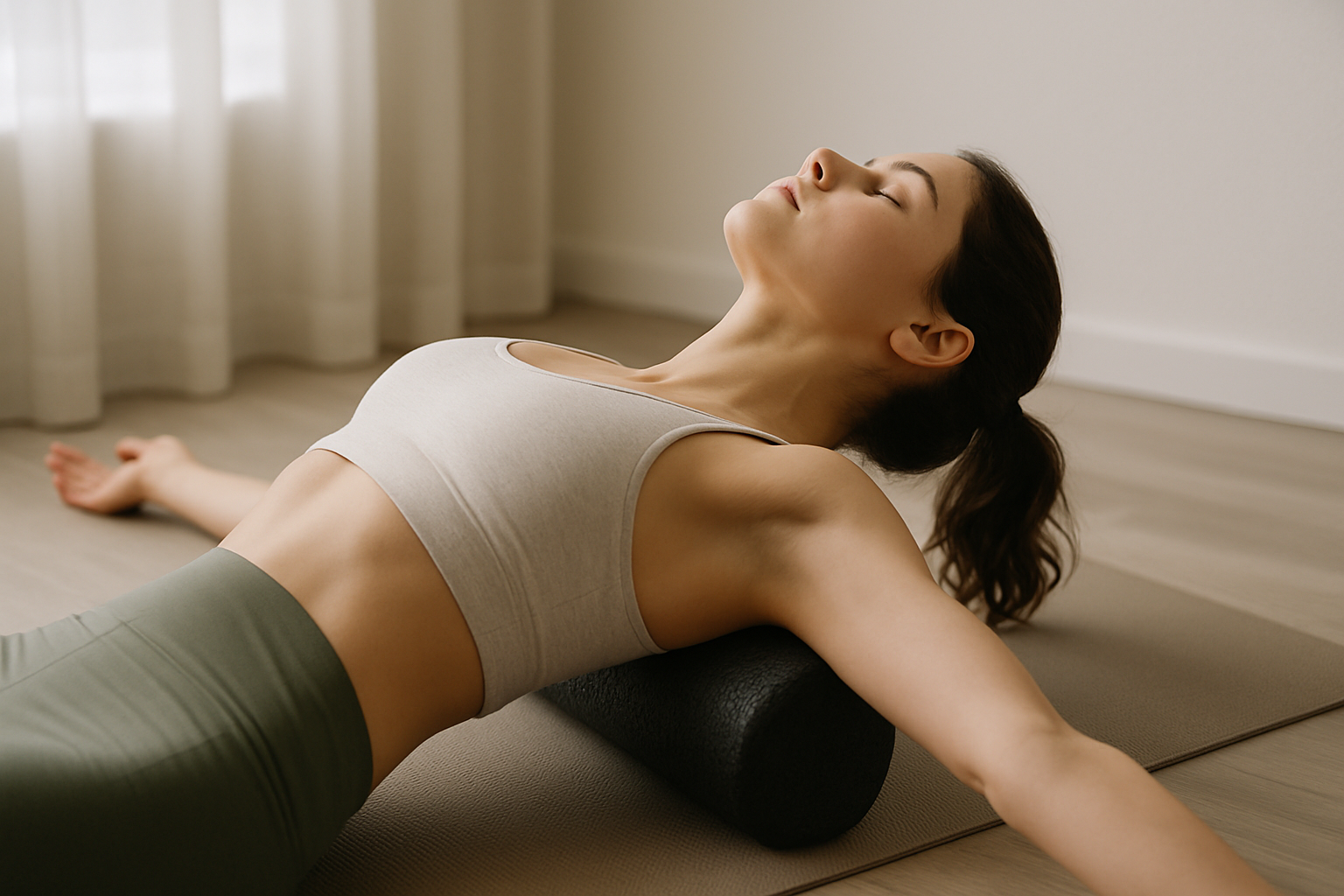
- Thoracic extension stretches over a foam roller or the back of a chair
- Strengthening exercises for the rhomboids and mid-trapezius, like face pulls and rows
- Chest and pec minor stretching in doorways
- Regular movement breaks every 30–45 minutes if you sit for long periods
Posture Products I Recommend for Kyphosis and Rounded Shoulders
I’ve looked at a lot of posture braces over the years, and the ones worth recommending share a few traits: they’re adjustable, breathable, supportive without being restrictive, and designed to encourage good alignment rather than just hold you rigidly in place. Here are five options that genuinely stand out.
1. Fit Geno Back Brace Posture Corrector (Full Back Support)
This is a solid all-around option for people dealing with both upper and lower back involvement. The Fit Geno Full Back Posture Corrector offers full back support with adjustable shoulder straightening straps, making it a good choice for those whose rounded shoulders are paired with general spinal discomfort. Many users find it helpful for hunchback and thoracic alignment support during daily wear.
2. Upgraded Full Back Brace with Waist Support Straps
If you spend long hours sitting at a desk or in front of a computer, this one deserves a close look. The Upgraded Full Back Posture Corrector with Waist Support is designed with office workers in mind — breathable material, adjustable shoulder and waist straps, and a comfortable enough design that you can actually wear it consistently. Consistency is everything with posture retraining, so comfort really matters here.
3. Thoracic Back Brace with Magnetic Support
For those specifically targeting the thoracic spine and cervical region, this brace offers a more targeted approach. The Thoracic Back Brace Posture Corrector with Magnetic Support covers the neck, shoulder, upper back, and lumbar areas with a fully adjustable belt. The magnetic therapy element is a bonus that some users find provides additional comfort, particularly around areas of chronic tension.
4. Fit Geno Lightweight Upper Back Brace for Women (Invisible Under Clothes)
One of the most common complaints I hear about posture correctors is that they’re bulky and obvious under clothing. This one solves that problem beautifully. The Fit Geno Lightweight Posture Corrector for Women is slim, discreet, and designed to be worn invisibly under everyday clothes. It targets the neck, shoulder, and upper back — right where kyphosis and rounded shoulders tend to show up most — making it a practical choice for daily use at work or on the go.
5. VOKOKOYA Adjustable Shoulder Straightener and Back Support Brace
For those who need a wider fit or simply want a sturdy, no-fuss option, the VOKOKOYA Posture Corrector is worth considering. It’s designed to support the upper spine and address hunchback and scoliosis-related posture patterns, with an adjustable shoulder straightener that works for both