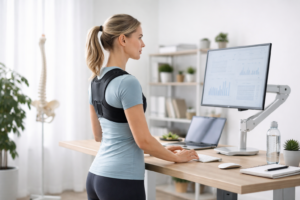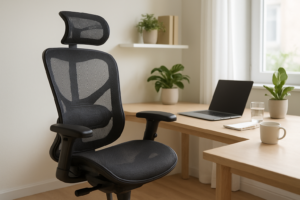
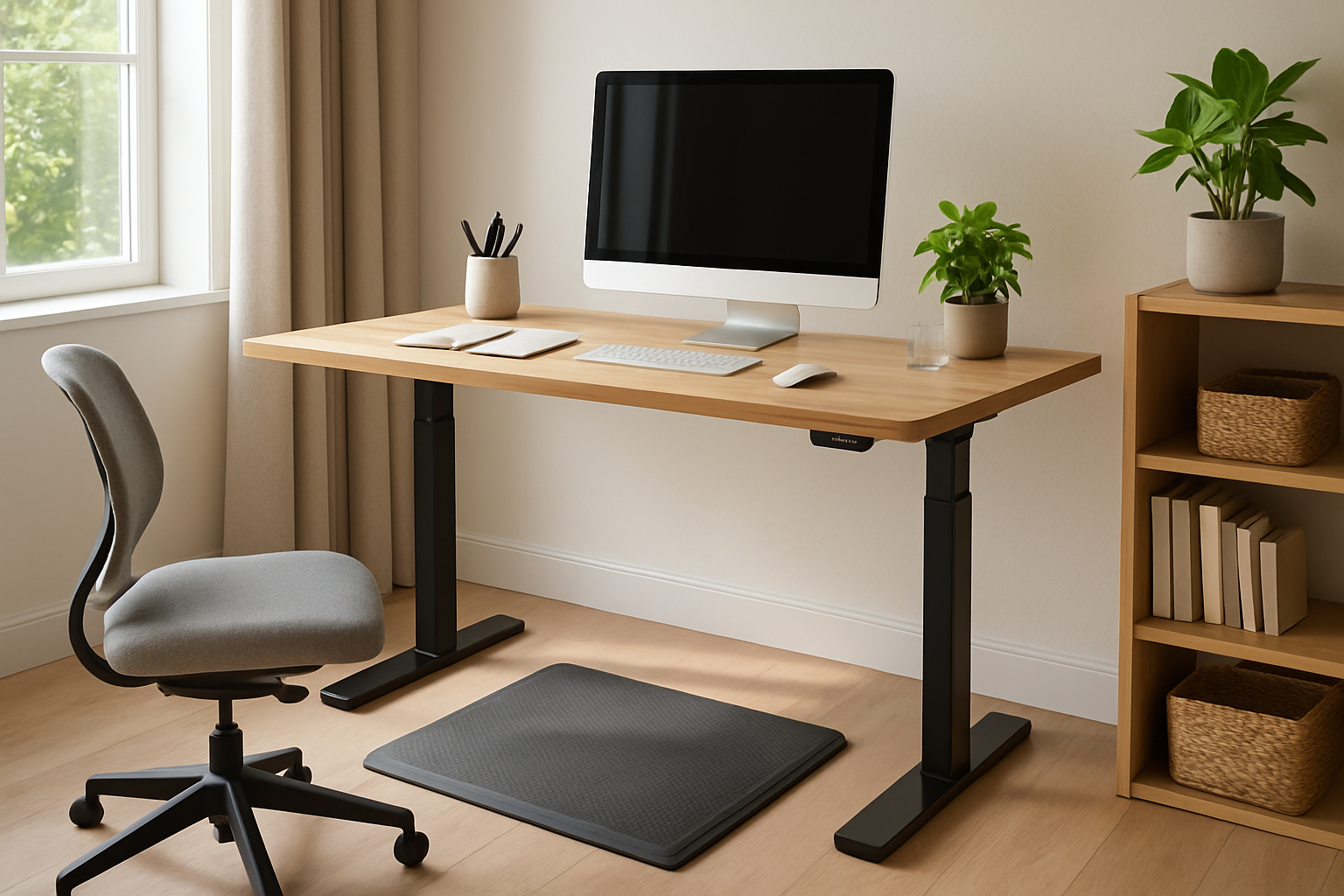

You know that feeling when you finally stand up after a long day at your desk and your hips feel like they’ve been cemented in place? Maybe your lower back gives a sharp protest, or your knees ache as you shuffle to the kitchen. If that sounds painfully familiar, you’re not alone — and you’re not imagining it. Prolonged sitting is one of the most overlooked contributors to joint deterioration, and understanding standing desk joint health benefits might be one of the most practical steps you can take to protect your body for the long haul.
What Sitting All Day Actually Does to Your Joints
I want to be honest with you the way a good physical therapist friend would be: sitting itself isn’t the enemy. The problem is sustained, uninterrupted sitting — especially in a posture your body was never designed to hold for eight or more hours a day.
Here’s what’s likely happening inside your body while you’re parked in that chair scrolling through spreadsheets:
- Hip flexors shorten and tighten. When your hips are flexed at 90 degrees all day, the iliopsoas muscle group adapts by shortening. Over time, this pulls on your lumbar spine and pelvis, creating the kind of nagging low back pain that just won’t quit — even on weekends.
- Spinal discs lose hydration. Your intervertebral discs don’t have their own blood supply — they depend on movement to absorb nutrients and fluid. Long static sitting compresses these discs unevenly, and research suggests this may accelerate disc degeneration over time.
- Glutes and core muscles switch off. When your glutes stop firing properly, surrounding structures — your knees, hips, and SI joint — pick up the slack. This compensation pattern is a very common root cause of the joint pain many desk workers experience.
- Circulation slows in the lower extremities. Reduced blood flow means less oxygen and fewer nutrients reaching joint tissues in your knees and ankles. Many people find that their joint stiffness correlates directly with how long they’ve been sedentary.
None of this is meant to frighten you — it’s meant to empower you. Because the fix isn’t complicated, and you don’t need to overhaul your entire life to start feeling better.
Standing Desk Joint Health Benefits: What the Research Suggests
Switching to a sit-stand workstation isn’t a magic cure — I want to be clear about that. But the evidence is genuinely encouraging. Research suggests that alternating between sitting and standing throughout your workday may help reduce musculoskeletal discomfort, particularly in the lower back, hips, and neck. One frequently cited finding is that breaking up prolonged sitting with standing intervals may help reduce spinal load and encourage more natural movement patterns throughout the day.
From a joint health perspective, the real value of a standing desk isn’t standing more — it’s moving more. When you’re able to shift positions frequently, your hip flexors get micro-breaks from that shortened position, your spine experiences varied loading patterns, and your glutes are more likely to stay engaged. Many people also report that standing prompts them to do small movements — shifting weight, doing a calf raise, taking a short walk — that they simply wouldn’t do while seated.
The sweet spot most ergonomic specialists recommend is roughly 20 to 30 minutes of standing for every 30 to 40 minutes of sitting. Not all standing, not all sitting — variety is the point.
What Actually Helps: Products Worth Considering
You don’t need to buy an expensive motorized desk to get started. Desk converters — risers that sit on top of your existing desk — are a practical, affordable entry point that many of my readers have had great success with. Here are a few options worth looking at:
The Desk Converter That Actually Lets You Alternate Without Breaking Your Workflow
A standing desk converter sits on top of your existing desk and lets you raise and lower your work surface throughout the day—which is the whole point. You’re not committing to standing all day (which creates its own problems), you’re breaking up the sitting cycle that’s compressing your hips and spine.
What works
- Smooth, reliable height adjustment means you’ll actually alternate between sitting and standing instead of abandoning the desk after week two—consistency is what changes joint stress patterns.
- The 32-inch work surface is large enough that you’re not cramped or forced into awkward postures while typing and using a mouse, which defeats the whole purpose.
- Research on sit-stand desks shows the real benefit isn’t standing—it’s movement and position changes throughout the day, which this actually supports without requiring you to be standing eight hours straight.
What doesn’t
- This is a tool, not a fix—if your posture is terrible sitting or standing, a desk converter won’t fix that alone, and you’ll still feel joint strain if you’re hunched over either way.
- It takes real discipline to actually *use* it; most people default back to sitting if they don’t set reminders or build the habit intentionally, which means weeks of non-use before results show.
Don’t expect this to eliminate hip and back pain on its own—it’s one part of a bigger picture that includes posture awareness, movement breaks, and strengthening work. But it’s the single easiest lever for reducing compression load throughout your day. VIVO 32 Inch Desk Converter (K Series)
About This Article

Written by Michael Torres. Michael Torres has had joint problems his whole life — hypermobile as a kid, chronic sprains and a dislocating shoulder through his twenties, an osteoarthritis diagnosis in his early fifties, and a right knee replacement since. He is not a doctor or a physical therapist and has no clinical training. He writes about what has helped him and what he has watched help the people around him, and says plainly when he has not tried something himself. More about this site.
Scope and limits. Michael has no medical or clinical training — he writes about living with his own joint pain, not about treating anyone else's. Nothing here is medical advice. Talk to a doctor before starting anything new, and get seen promptly for pain that is new, severe, worsening, or comes with swelling, fever, or numbness.
Verify this against a primary source
Specifics change, and your situation may differ from the one described here. These are the authorities worth checking directly:
- NIAMS — arthritis and musculoskeletal research from the NIH
- MedlinePlus — plain-language medical reference from the NIH
- Arthritis Foundation — condition guides and treatment overviews