
- L-Shaped Ergonomic Memory Foam Seat Cushion with Coccyx Hollow — The L-shape design here is clever — it supports both the seat and provides a gentle lumbar lift, essentially addressing two problem areas at once. The coccyx cutout takes pressure off the tailbone, which may help with referred discomfort along the lower spine.
Why Sitting Puts So Much Stress on Your Spinal Joints
Here’s something that surprises a lot of people: sitting actually places more pressure on your lumbar discs than standing does. Research in spinal biomechanics has long suggested that the lumbar spine bears significant compressive loads when we’re seated, especially when we’re slumped or leaning forward. Over hours and hours — and years and years — that repeated stress may contribute to disc wear, facet joint irritation, and chronic muscular tension.
The spinal column is made up of vertebrae separated by discs and connected by small joints called facet joints. These joints guide movement and share the load your spine carries. When you sit with poor alignment, those joints are loaded unevenly. Over time, many people find this contributes to stiffness, discomfort, and reduced mobility. The good news? Thoughtful ergonomic support may help redistribute that load more evenly and take some of the burden off those vulnerable structures.
Ergonomic Chair Spinal Joint Health: The Features That Actually Matter
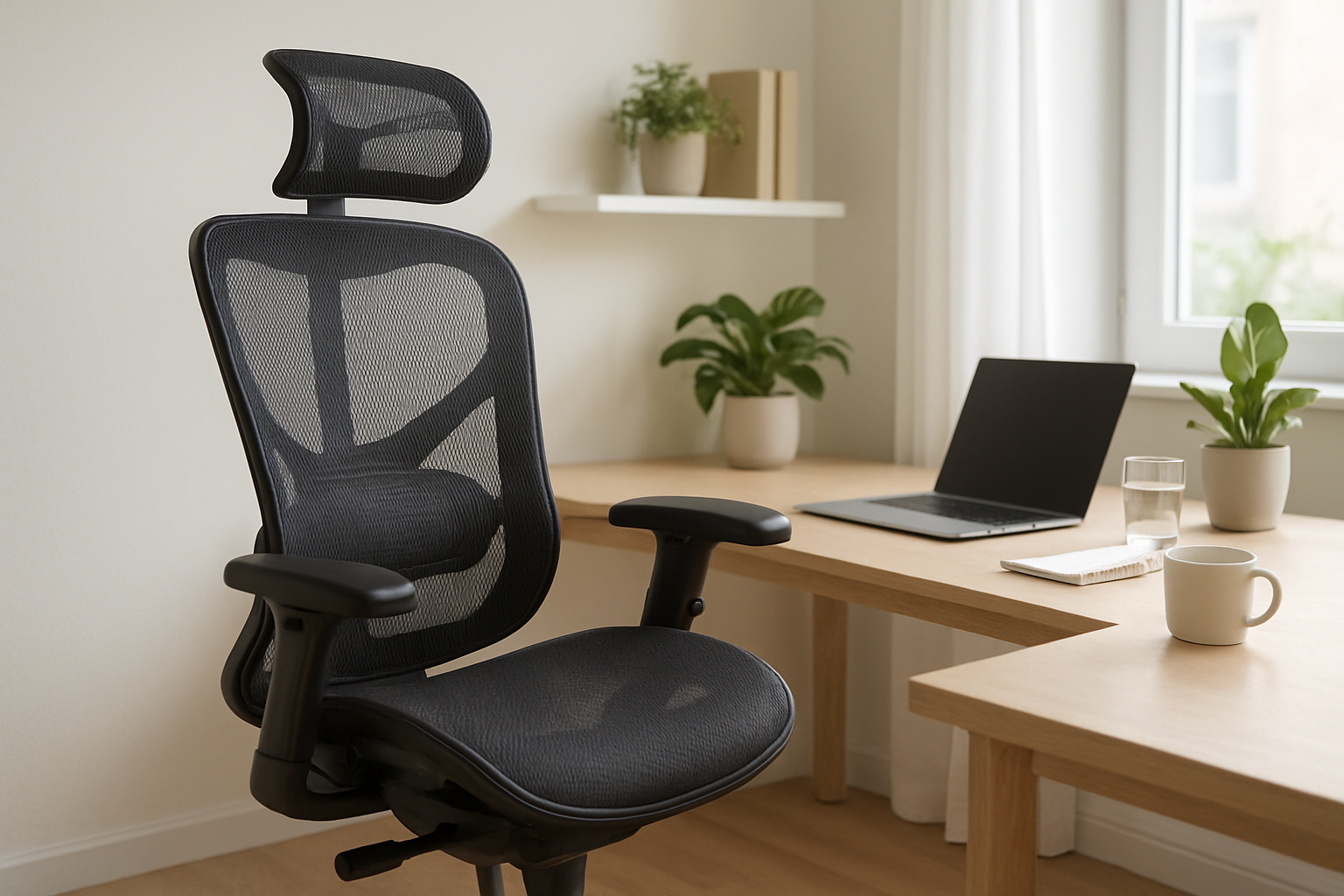
Not all “ergonomic” features are created equal. Here are the ones I’d tell any patient or friend to prioritize when evaluating their seating situation.
Lumbar Support That Fits Your Curve
The lumbar region — your lower back — has a natural inward curve called the lordosis. When you sit without proper support, that curve tends to flatten or reverse, which increases disc pressure and strains the surrounding muscles and joints. A good lumbar support holds that curve in place so your spine isn’t constantly fighting gravity.
The key word here is adjustable. Everyone’s spine is a little different, and a lumbar pillow that sits too high or too low won’t do its job. Look for supports with height and depth adjustability so you can dial it in to your specific curve.
Seat Depth and Hip Positioning
Your hips set the foundation for your entire spine. When you sit with your hips rolled backward (posterior pelvic tilt), everything above — your lumbar joints, thoracic spine, and neck — compensates in ways that add stress. A seat that’s too deep forces this exact posture by preventing you from sitting fully back against lumbar support. Look for chairs with adjustable seat depth, or use a seat cushion to fine-tune your positioning.
Seat Height and Knee Angle
Your feet should rest flat on the floor with your knees at roughly a 90-degree angle. If your seat is too high, you’ll perch forward. Too low, and your hips drop below your knees, again tilting the pelvis and loading the lumbar joints poorly. This one simple adjustment can make a surprisingly big difference in how your back feels after a long day.
Backrest Recline and Armrests
A slight recline — even just 100 to 110 degrees — may actually reduce lumbar disc pressure compared to sitting fully upright at 90 degrees. This is one of the more counterintuitive findings in posture research. Armrests that allow your shoulders to relax also take load off the cervical and thoracic spine. If you’re shrugging your shoulders all day to reach armrests that are too high, you’re adding unnecessary tension to your neck joints.
What Actually Helps: Products I Recommend
I get it — not everyone can run out and buy a $1,200 ergonomic chair. The good news is that a well-chosen lumbar pillow or seat cushion can meaningfully improve your current chair’s ability to support your spinal joints. Here are some options I think are worth considering.
For Lumbar Support
- Lumbar Support Pillow with Mesh Cover & Double Adjustable Straps — I like this one because the dual adjustable straps actually keep it positioned where you put it, which matters more than people realize. The breathable mesh cover is a bonus if you tend to run warm. Many people find it works well for both office chairs and car seats.
- Samsonite Memory Foam Lumbar Support Pillow — Memory foam that conforms to your specific lumbar curve is a real plus here. Samsonite has put thoughtful design into this one, and it works across office chairs, gaming chairs, and car seats. A solid all-rounder.
- Everlasting Comfort Lumbar Support Pillow — This one has a loyal following for good reason. It’s made from pure memory foam, holds its shape well over time, and fits a wide range of chair styles. Many users report noticeable improvement in lower back comfort after extended sitting sessions.
For Seat and Coccyx Support
- L-Shaped Ergonomic Memory Foam Seat Cushion with Coccyx Hollow — The L-shape design here is clever — it supports both the seat and provides a gentle lumbar lift, essentially addressing two problem areas at once. The coccyx cutout takes pressure off the tailbone, which may help with referred discomfort along the lower spine.
- Categories Posture & Alignment