
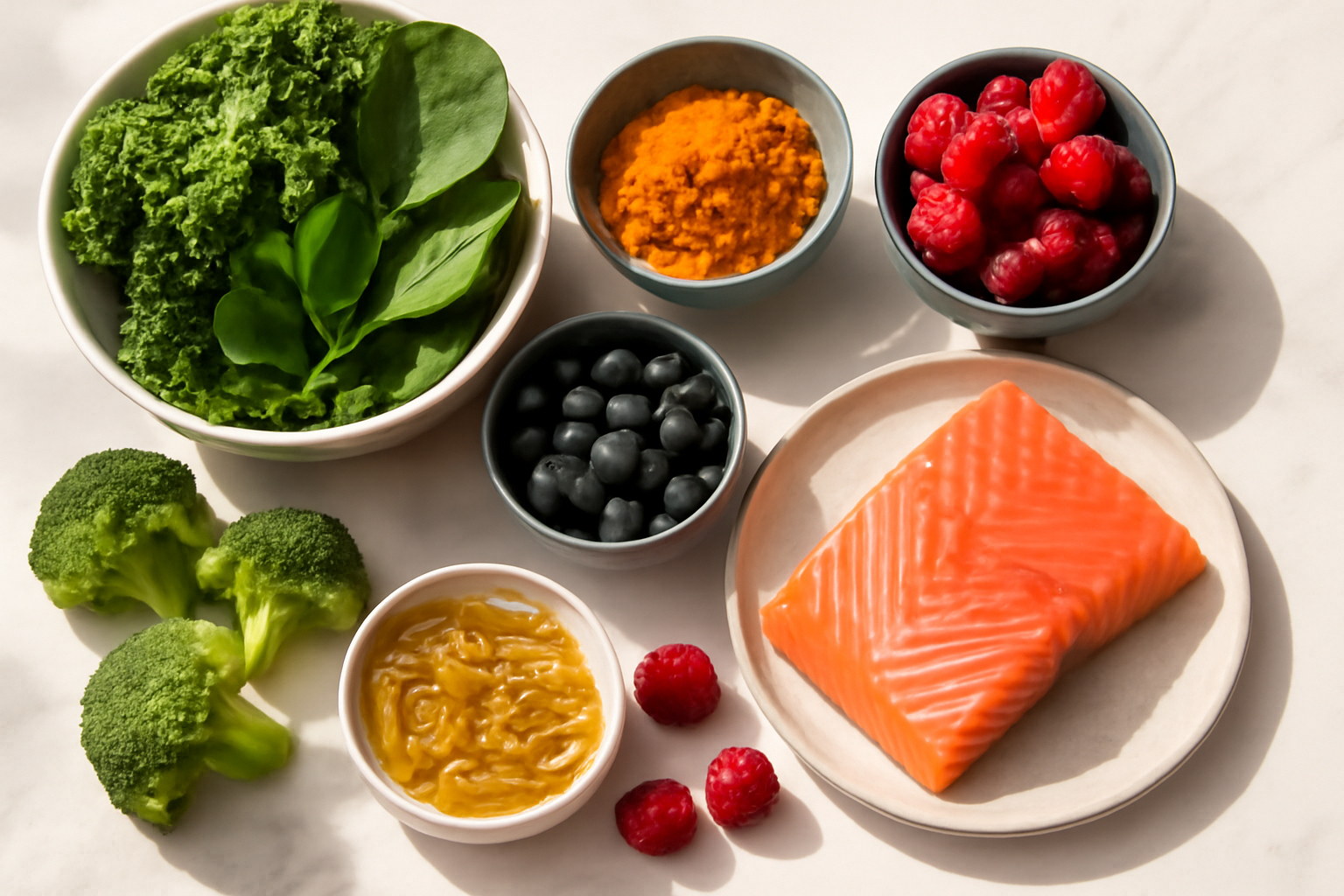
You wake up one morning, swing your legs over the side of the bed, and feel that familiar stiffness in your knees — that grinding, achy resistance that takes a few minutes to work out before you can walk normally. Sound familiar? Most of us chalk it up to aging or overuse, but here’s something that often gets overlooked: what you eat — or don’t eat — plays a massive role in how your joints feel every single day. The connection between nutrition and joint health is one of the most underestimated conversations in everyday wellness, and I want to walk you through what’s really happening inside your body when your diet falls short.
Affiliate disclosure: This post contains affiliate links. As an Amazon Associate, I earn from qualifying purchases. If you click a link and make a purchase, I may receive a small commission at no extra cost to you. I only recommend products I genuinely believe may support your joint health journey.
The Hidden Connection Between Nutrition and Joint Health
Your joints are not isolated mechanical parts — they are living tissue that depends on a steady supply of nutrients to stay lubricated, cushioned, and resilient. Cartilage, the rubbery material that pads the ends of your bones, has no blood supply of its own. It relies entirely on the nutrients diffusing through the synovial fluid surrounding it. When your diet is consistently poor — too much processed food, too little protein, not enough vitamins and minerals — that fluid becomes nutritionally thin, and your cartilage slowly pays the price.
Inflammation is the other major piece of this puzzle. Research suggests that diets high in refined sugar, trans fats, and ultra-processed foods actively promote systemic inflammation throughout the body. Your joints, which are already prone to inflammation from daily wear and tear, become caught in a cycle that’s hard to escape. You don’t feel it all at once — it builds quietly over months and years, which is exactly why I call it “silent” damage.
The Most Common Nutritional Gaps That Hurt Your Joints
Not Enough Collagen-Building Nutrients
Collagen is the structural protein that gives cartilage its strength and flexibility. Your body produces it naturally, but production slows significantly after your mid-20s and drops sharply with age. Vitamin C is essential for collagen synthesis — without enough of it, your body simply cannot build or repair joint tissue efficiently. Many people don’t come close to eating enough vitamin C-rich foods like bell peppers, citrus fruits, and broccoli on a regular basis.
Chronic Vitamin D and Calcium Deficiency
Bone health and joint health are deeply intertwined. When bones weaken from lack of calcium and vitamin D, the mechanical stress on surrounding joints increases dramatically. Many adults — especially those who work indoors or live in northern climates — are chronically low in vitamin D without ever knowing it. Magnesium and vitamin K2 are equally important here, as they help direct calcium into the bones rather than letting it deposit in soft tissues and arteries.
Missing Key Protective Compounds
Glucosamine and chondroitin are naturally occurring compounds found in cartilage. Your body produces them, but output declines with age. Omega-3 fatty acids from fatty fish, walnuts, and flaxseed are another major gap in most Western diets — and research suggests omega-3s may help reduce joint inflammation. Similarly, compounds like turmeric’s active ingredient curcumin and boswellia have been studied for their potential to support a healthy inflammatory response in joint tissue.
What You Can Start Doing Differently Today
The good news is that dietary changes — even small, consistent ones — can make a meaningful difference over time. Here’s what I’d honestly suggest to a friend who came to me with joint complaints:
- Cut back on inflammatory foods. Refined sugar, fried food, and highly processed snacks are the biggest culprits. You don’t have to be perfect — just start reducing frequency.
- Prioritize anti-inflammatory eating. Think fatty fish, leafy greens, berries, olive oil, and nuts. A Mediterranean-style diet is one of the most researched dietary patterns for reducing systemic inflammation.
- Stay hydrated. Synovial fluid is largely water. Mild, chronic dehydration can reduce joint lubrication more than most people realize.
- Fill nutritional gaps with targeted supplements. Even a solid diet can fall short — and that’s where the right supplements may genuinely help.
Products Worth Trying for Joint and Bone Nutritional Support
I want to be straightforward with you: supplements are not magic bullets, and they work best alongside real food and movement. That said, many people find meaningful relief when they consistently fill the specific gaps their diet leaves behind. Here are a few products I think are genuinely worth considering.
For Cartilage and Flexibility Support
If you’re looking for a clean, straightforward glucosamine and chondroitin option, the Glucosamine Chondroitin MSM Joint Support Supplement provides 1500 mg of glucosamine sulfate alongside chondroitin and MSM �� three of the most studied compounds for cartilage support and joint flexibility. It’s a solid starting point for anyone new to joint supplementation.
For a more comprehensive formula, the Arazo Nutrition Glucosamine Chondroitin Turmeric MSM Boswellia supplement brings together five well-studied ingredients in one tablet. The addition of turmeric and boswellia may help address the inflammatory component that glucosamine alone doesn’t target. Many people find this broader approach works better for knees, hands, and back discomfort specifically.
Another well-regarded option is Osteo Bi-Flex Triple Strength Plus Turmeric, which combines glucosamine triple strength with curcumin for dual-action joint and range-of-motion support. It’s a trusted name with a 60-day supply per bottle, making it easy to stay consistent.
For Bone Strength and Mineral Support
If bone density is a concern — and it should be for anyone over 40 — the NATURELO Calcium Supplement with Vitamin C, D3, K2, Magnesium, and Zinc is one of the more thoughtfully formulated options out there. It’s plant-based, non-GMO, and soy and gluten-free, which makes it accessible for people with dietary restrictions. I appreciate that it includes K2 — a nutrient that’s often missing from cheaper calcium supplements but is critical for getting calcium where it needs to go.
For those who want a clinically oriented bone support formula, Life Extension Bone Restore with Vitamin K2 delivers three forms of absorbable calcium alongside D3 and K2 in one non-GMO, gluten-free capsule. Life Extension is known for its research-backed formulations, and this one reflects that commitment to quality and bioavailability.