
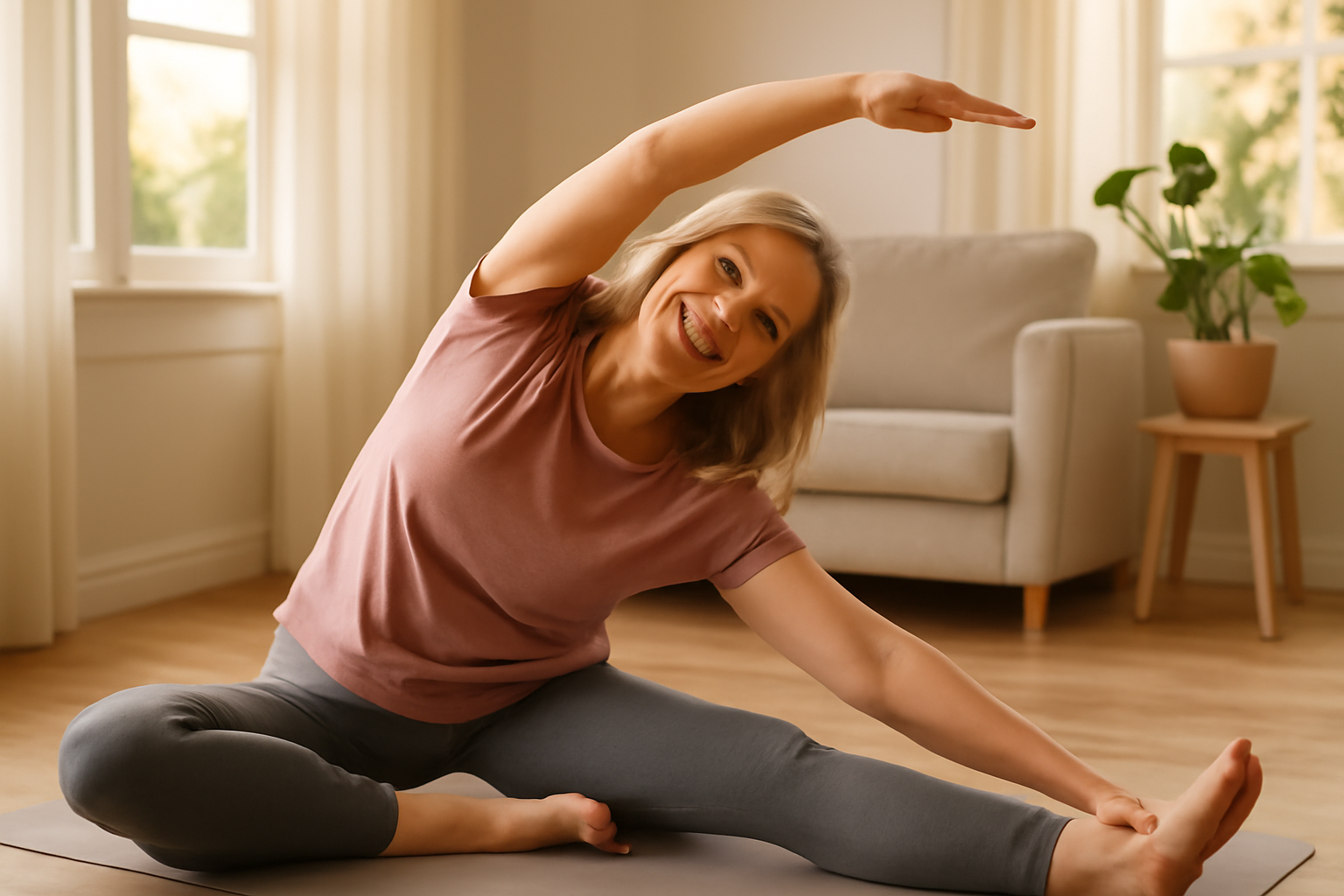
- Start slow and build gradually. Even five to ten minutes a day is a meaningful start. There’s no rush.
- Warm up first
You wake up in the morning, and before your feet even hit the floor, you already know it’s going to be one of those days. Your fingers are stiff, your knees ache, and the idea of moving around feels more like a punishment than a solution. If that sounds familiar, you’re not alone — millions of people living with arthritis face that exact moment every single day. The good news? Incorporating the right exercise for arthritis pain into your routine may be one of the most powerful things you can do to feel better. I know that might sound counterintuitive when your joints are screaming at you, but stay with me here.
Affiliate disclosure: This post contains affiliate links. As an Amazon Associate, I earn from qualifying purchases. This means I may earn a small commission if you click through and make a purchase — at no extra cost to you. I only recommend products I genuinely believe may benefit people managing joint pain and arthritis.
Why Movement Matters More Than You Think
I hear it all the time: “But moving hurts, so shouldn’t I rest?” It’s a completely understandable reaction. But here’s what research suggests — prolonged inactivity can actually make arthritis symptoms worse over time. When joints aren’t moved regularly, the surrounding muscles weaken, cartilage gets less of the nutrient-rich fluid it needs, and stiffness can deepen. Gentle, consistent movement helps keep synovial fluid circulating around the joint, which acts like a natural lubricant for your cartilage.
The key word there is gentle. We’re not talking about running a marathon or doing high-impact aerobics. We’re talking about intentional, low-impact movement that builds strength around your joints without adding stress to them. Think of it less like exercise and more like maintenance — the kind your joints genuinely need.
The Best Types of Exercise for Arthritis Pain Relief
Not all exercise is created equal when you’re managing arthritis. Some movements may help reduce pain and improve function, while others can aggravate inflammation. Here’s a breakdown of the categories that many people with arthritis find most beneficial.
Range-of-Motion Exercises
These are your foundation. Range-of-motion exercises involve gently moving joints through their full natural range — think slow neck rolls, shoulder circles, wrist bends, and ankle rotations. The goal isn’t to build muscle; it’s to reduce stiffness and maintain flexibility. Many people find that doing a short range-of-motion routine in the morning, even before getting out of bed, helps ease that dreaded morning stiffness significantly.
Strengthening Exercises
Strong muscles act as shock absorbers for your joints. When the muscles surrounding your knees, hips, and shoulders are strong, they take on more of the load — meaning your joints don’t have to work as hard. Resistance band exercises are a fantastic option here because they allow you to build strength progressively without the jarring impact of free weights.
A simple set of resistance bands can open up a whole world of gentle strengthening exercises you can do right at home. I recommend starting with a lighter resistance and focusing on slow, controlled movement rather than speed.
Low-Impact Aerobic Exercise
Swimming, water aerobics, cycling, and walking are all excellent low-impact options. Water-based exercise in particular is often praised by people with arthritis because the buoyancy reduces stress on weight-bearing joints while still allowing for a full range of movement. Research suggests that regular aerobic activity may help reduce overall inflammation levels and improve energy and mood — both of which can take a real hit when you’re dealing with chronic pain.
Yoga and Tai Chi
These mind-body practices combine gentle movement, balance work, and breathing in a way that many people with arthritis find incredibly helpful. Studies suggest that both yoga and tai chi may help reduce pain, improve balance, and lower stress — a meaningful benefit since stress can sometimes worsen inflammation. Look for beginner or “chair” versions if you’re just starting out or have significant limitations.
Products Worth Trying Alongside Your Exercise Routine
Having the right tools on hand can make a real difference in how comfortable and consistent your exercise routine feels. Here are a few products I think are genuinely worth considering — especially if arthritis affects your hands, wrists, or lower body.
Compression Gloves for Hand and Wrist Support
If arthritis affects your hands, compression gloves may help reduce swelling and provide warmth that eases stiffness during activity. Many people find them especially useful during exercises like hand squeezes, wrist curls, or even just daily tasks that become part of an active routine. Here are three solid options to consider:
- DRNAIETY Arthritis Compression Gloves (2 Pairs) — These fingerless, breathable gloves are anti-slip and designed for all-day wear, making them a practical choice whether you’re exercising, typing, or doing light chores.
- Copper Compression Arthritis Gloves — A popular pick that includes wrist support along with hand compression. Many users report finding relief from swelling and stiffness with consistent wear.
- FREETOO All-Around Compression Arthritis Gloves — These offer full palm compression and are well-suited for activities like crocheting, gentle hand exercises, or desk work. A great option if you want something snug but breathable.
Resistance Bands for Gentle Strengthening
A good set of resistance bands is honestly one of the most joint-friendly workout investments you can make. They’re affordable, low-impact, and versatile enough to target virtually every muscle group. Whether you’re doing seated leg presses, standing hip abductions, or gentle arm exercises, resistance bands let you control the challenge level precisely.
- Resistance Bands for Working Out, 5-Pack Elastic Loop Bands — A solid all-around set with five resistance levels. Great for physical therapy-style exercises targeting the legs, glutes, and arms.
- Fit Simplify Resistance Loop Exercise Bands with Instruction Guide — This set comes with a handy carry bag and instruction guide, which is really helpful if you’re new to resistance training. The variety of resistance levels means you can start very gently and progress at your own pace.
Tips for Exercising Safely With Arthritis
Before you dive in, a few practical reminders that can help you get the most out of your routine without overdoing it:
- Start slow and build gradually. Even five to ten minutes a day is a meaningful start. There’s no rush.
- Warm up first