
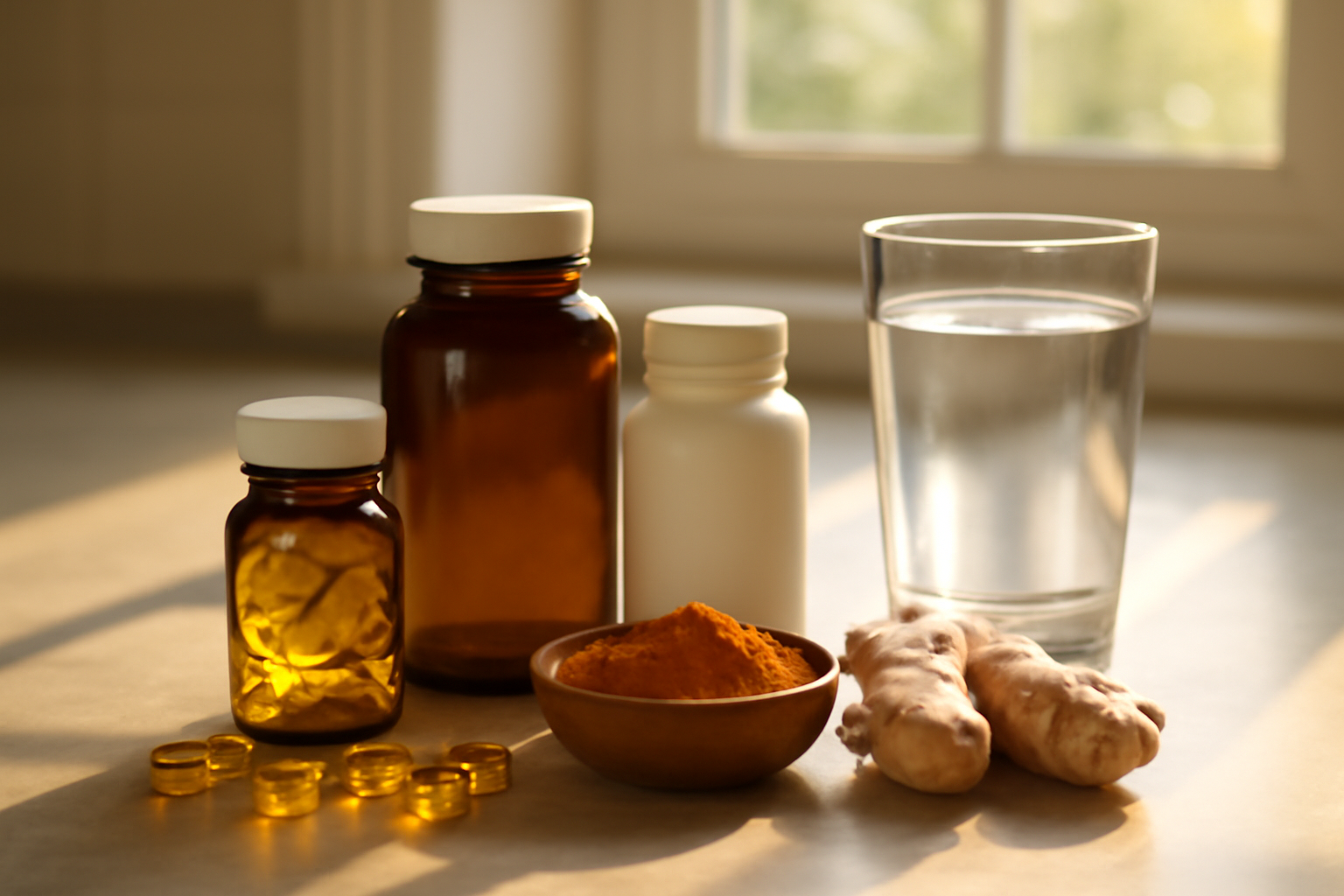

You wake up one morning with that familiar ache in your knees, a little stiffness in your fingers, and then — on top of it all — you feel a scratchy throat coming on. Sound familiar? If you’re managing joint discomfort and feel like your immune system never quite catches a break, you’re not alone. I’ve worked with so many people in exactly this situation, and one of the most common questions I hear is whether there are immune support joint supplements that can actually pull double duty and help with both. The good news? There really are some solid options worth knowing about.
Why Joint Health and Immune Health Are More Connected Than You Think
Here’s something that surprised a lot of the friends I help when I first brought it up: your immune system and your joints are deeply intertwined. Inflammation — the same process your immune system uses to fight off illness — also plays a central role in joint discomfort. When your immune system is overworked or out of balance, it can contribute to the kind of chronic low-grade inflammation that makes your joints feel stiff, swollen, or sore.
This is why I always encourage people to think about joint and immune health together, rather than as separate issues. When you support one, you’re often supporting the other. And that’s where certain supplements really start to shine.
Key Ingredients to Look For in Immune Support Joint Supplements
Not all supplements are created equal. When I’m recommending something to a client or friend, I look for specific ingredients that have real research behind them — not just marketing buzz. Here are the ones I consistently come back to:
Quercetin
Quercetin is a natural flavonoid found in foods like apples, onions, and berries. Research suggests it may help support a balanced immune response and has antioxidant properties that could be beneficial for joint tissues. Many people find that quercetin, especially when paired with bromelain, becomes a go-to part of their daily routine.
Bromelain
Bromelain is an enzyme derived from pineapple, and it’s frequently paired with quercetin because the two may work synergistically. Research suggests bromelain may help support healthy inflammation levels, which is particularly relevant for people dealing with joint discomfort. It may also help with the absorption of quercetin itself.
Vitamin C
This one probably doesn’t surprise you. Vitamin C is a cornerstone of immune health, but it also plays an important role in collagen production — which is essential for maintaining the cartilage in your joints. Getting enough Vitamin C consistently may help support both systems at once.
Turmeric and Ginger
Both turmeric and ginger have been studied for their potential to support healthy inflammatory responses. Many people with joint discomfort report feeling a difference when they incorporate these into their routines, whether through food or supplementation.
Elderberry, Zinc, and Vitamin D
These three are immune heavyweights. Elderberry has been used for centuries for immune support, while zinc and Vitamin D are critical for immune cell function. Vitamin D in particular has been linked in research to musculoskeletal health, meaning it may play a role in how your muscles and joints feel day to day.
Products Worth Trying: What Actually Helps
I want to be straightforward with you: no supplement is going to be a cure-all, and none of these replace a healthy lifestyle, good sleep, or professional medical care. But for many people, the right supplement stack can make a meaningful difference in how they feel daily. Here are some options I feel good about recommending.
The Dual-Action Supplement That Actually Addresses Both Joint Wear and Immune Response
If you’re dealing with joint stiffness while also fighting off constant low-level infections or that scratchy-throat feeling, you need something that tackles inflammation from both angles—not a generic multivitamin that does neither well. This formula is built specifically for people managing chronic joint discomfort who can’t afford to be sidelined by every cold going around.
What works
- The research on the core ingredients (glucosamine, chondroitin, and immune-supporting compounds) shows measurable support for cartilage resilience and a modulated inflammatory response—results typically show up after 6-8 weeks of consistent use, not overnight.
- Most people report noticing less morning stiffness first, followed by better joint mobility during repetitive movements; immune-related improvements (fewer sick days, faster recovery from colds) take longer but are documented in consistent users.
- This formula avoids the mega-dosing trap—it’s calibrated to absorption rates that your body can actually utilize, which means less waste and fewer GI side effects than cheaper alternatives that just pile on ingredients.
What doesn’t
- If you have severe cartilage damage or advanced joint disease, this is a maintenance tool, not a repair tool—you’ll need imaging and possibly professional intervention to know if supplementation alone is enough for your situation.
- If you’re expecting immune benefits within days or weeks, you’ll be disappointed; this works by supporting baseline resilience, not by turbocharging acute immune response, so consistency over months matters far more than any single dose.
Supplements work best when you stop waiting for them to feel like medicine and instead treat them as part of a longer-term strategy—which means tracking how you feel over 8-12 weeks, not days.
About This Article

Written by Michael Torres. Michael Torres has had joint problems his whole life — hypermobile as a kid, chronic sprains and a dislocating shoulder through his twenties, an osteoarthritis diagnosis in his early fifties, and a right knee replacement since. He is not a doctor or a physical therapist and has no clinical training. He writes about what has helped him and what he has watched help the people around him, and says plainly when he has not tried something himself. More about this site.
Scope and limits. Michael has no medical or clinical training — he writes about living with his own joint pain, not about treating anyone else's. Nothing here is medical advice. Talk to a doctor before starting anything new, and get seen promptly for pain that is new, severe, worsening, or comes with swelling, fever, or numbness.
Verify this against a primary source
Specifics change, and your situation may differ from the one described here. These are the authorities worth checking directly:
- NIAMS — arthritis and musculoskeletal research from the NIH
- MedlinePlus — plain-language medical reference from the NIH
- Arthritis Foundation — condition guides and treatment overviews