
- Turmeric Curcumin with Black Pepper Extract (1500mg) — Curcumin, the active compound in turmeric, has been studied for its potential anti-inflammatory properties. This formula includes BioPerine (black pepper extract), which research suggests may significantly improve curcumin absorption. Many people with RA find turmeric supplementation a helpful addition to their overall routine.
- Qunol 5-in-1 Joint Support Supplement — This fast-acting, one-pill formula is designed to support healthy inflammation response and joint comfort. It’s a solid option if you’re looking for a
You wake up one morning, hands stiff and swollen, and you think — didn’t I just get through a flare last week? If you’re navigating menopause rheumatoid arthritis at the same time, that exhausting cycle probably feels all too familiar. I’ve worked with so many women in their late 40s and 50s who come in genuinely confused because their RA symptoms seem to be getting worse almost overnight, and they can’t figure out why. The truth is, the hormonal upheaval of menopause and the inflammatory nature of rheumatoid arthritis are deeply connected — and once you understand how they interact, you can start building a real strategy to manage the flares instead of just surviving them.
This post contains affiliate links. As an Amazon Associate, I earn from qualifying purchases. This means I may earn a small commission if you purchase through my links, at no extra cost to you. I only recommend products I believe may genuinely help.
How Menopause and Rheumatoid Arthritis Are Connected
Here’s something that doesn’t get talked about enough: estrogen actually plays a role in regulating your immune system and inflammation. When estrogen levels drop during perimenopause and menopause, that shift can affect how your immune system behaves — and for someone with rheumatoid arthritis, an autoimmune condition, that’s a significant change. Research suggests that the decline in estrogen may lower your body’s natural ability to keep inflammation in check, which is why many women with RA report more frequent or more intense flares during this stage of life.
On top of that, menopause brings its own set of joint-related symptoms. Many women experience general joint aching, morning stiffness, and even new swelling that they’ve never had before — symptoms that can overlap with RA in frustrating ways. So you’re potentially dealing with both menopausal joint changes and RA flares at the same time. That’s not in your head. That’s biology doing a number on you, and it deserves to be taken seriously.
Practical Strategies for Managing Flares During Menopause
Before we get into products that may help, let’s talk about the foundational habits that make the biggest difference. These aren’t magic fixes, but many people find real relief when they’re consistent with them — and they work alongside whatever treatment plan your rheumatologist has you on.
Keep Moving, Even on Hard Days
I know this feels counterintuitive when your joints are screaming at you, but gentle movement is one of the most evidence-supported tools we have for managing RA flares. Low-impact activities like swimming, water aerobics, or even a slow 15-minute walk can help keep your joints from stiffening further. The goal isn’t intensity — it’s circulation and range of motion. Even gentle hand stretches in warm water can make mornings more manageable.
Prioritize an Anti-Inflammatory Diet
What you eat may not cure RA, but research suggests that an anti-inflammatory eating pattern can influence how frequently and severely flares occur. During menopause, when your body’s inflammatory response is already shifting, this matters even more. Focus on:
- Fatty fish like salmon and sardines (rich in omega-3s)
- Colorful vegetables and fruits high in antioxidants
- Olive oil instead of vegetable oils
- Whole grains over refined carbohydrates
- Limiting processed foods, sugar, and alcohol, which may trigger inflammation
Protect Your Sleep
Menopause often disrupts sleep through night sweats and insomnia, and poor sleep is a well-documented trigger for RA flares. It’s a vicious cycle. Prioritizing sleep hygiene — keeping a consistent bedtime, cooling your bedroom, limiting screens before bed — may help reduce flare frequency over time. I always tell my patients: treat your sleep like a medical appointment you can’t miss.
Manage Stress Actively
Emotional and physical stress both trigger inflammatory responses. Menopause itself is stressful — hormonally and emotionally. Building even five minutes of mindfulness, deep breathing, or gentle yoga into your day may help lower your body’s overall inflammatory load over time.
Products Worth Trying for Daily Joint Relief
These are products I feel comfortable recommending because many people with RA find them genuinely useful for day-to-day management. They’re not replacements for your treatment plan — think of them as supportive tools that may help you get through tough days more comfortably.
Compression Gloves for Hand and Wrist Pain
Hand flares are one of the most common complaints I hear from women with RA, especially in the morning when stiffness is at its worst. Compression gloves apply gentle, consistent pressure that many people find helps reduce swelling and ease that tight, achy feeling. Here are three options worth considering depending on your preference:
- Copper Compression Arthritis Gloves — These fingerless gloves are a popular choice for people who want compression support while still being able to type, craft, or do everyday tasks. The copper-infused fabric is soft against sensitive skin.
- Isotoner Arthritis Compression Gloves — A trusted brand with both open and full-finger design options, making them versatile for different times of day or seasons. Many people find these particularly helpful for overnight or early morning stiffness.
- FREETOO All-Around Compression Arthritis Gloves — A well-reviewed option designed for all-day comfort, with a fit that works well for a range of hand sizes. Great if you want something you can wear during crocheting or light work without feeling restricted.
Supplement Support for Inflammation
Supplements aren’t a substitute for medication, and you should always check with your rheumatologist before adding anything new — especially if you’re on RA drugs that can interact with supplements. That said, research does suggest that certain supplements may support a healthy inflammatory response over time.
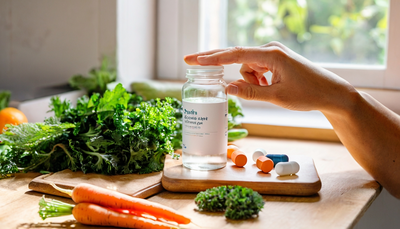
- Turmeric Curcumin with Black Pepper Extract (1500mg) — Curcumin, the active compound in turmeric, has been studied for its potential anti-inflammatory properties. This formula includes BioPerine (black pepper extract), which research suggests may significantly improve curcumin absorption. Many people with RA find turmeric supplementation a helpful addition to their overall routine.
- Qunol 5-in-1 Joint Support Supplement — This fast-acting, one-pill formula is designed to support healthy inflammation response and joint comfort. It’s a solid option if you’re looking for a