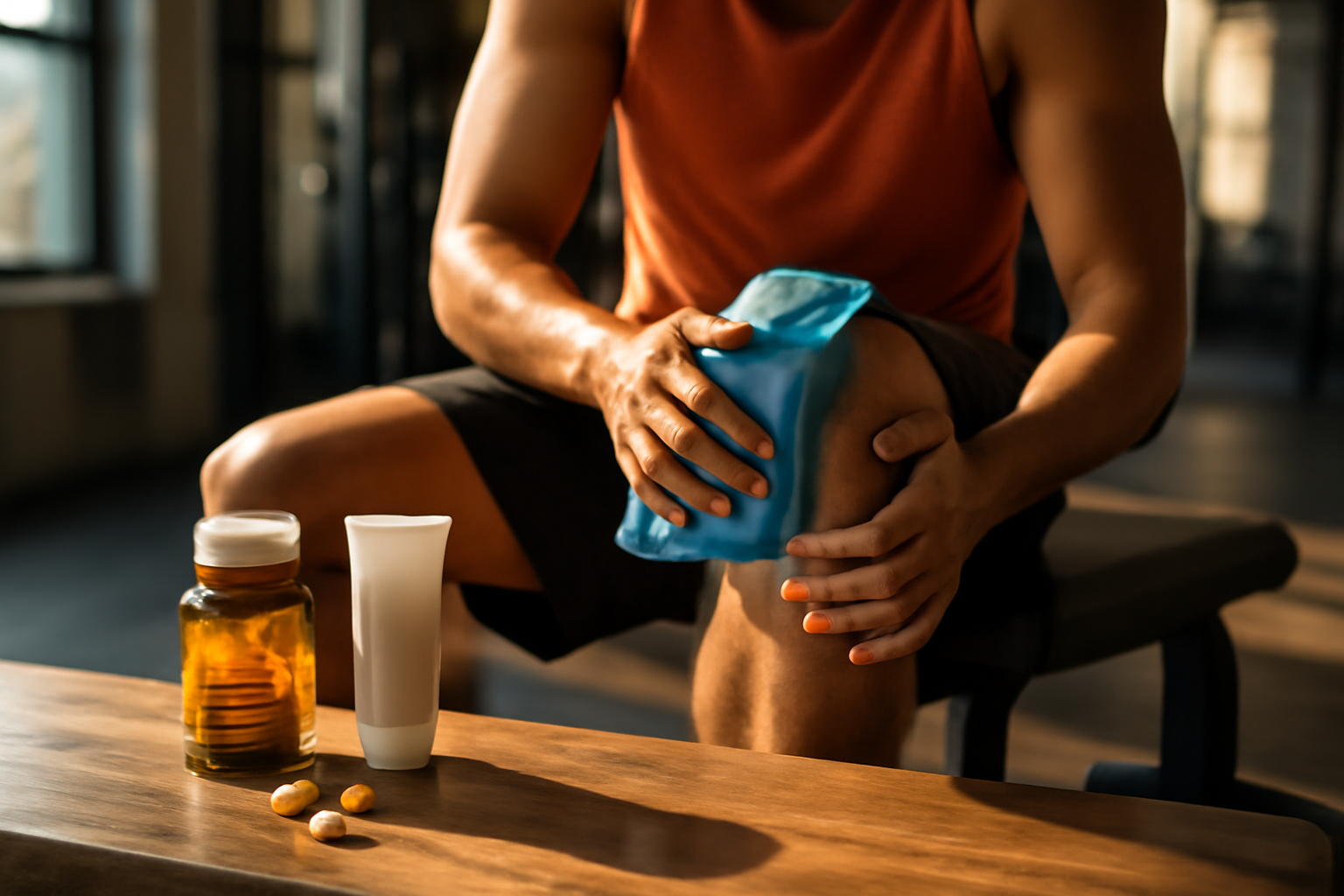
You know that feeling — you pushed hard through a weekend trail run or an intense pickup basketball game, and by Monday morning your knees are stiff, your ankles are aching, and getting out of bed feels like a negotiation. I’ve been there, and so have most of the athletes and active people I’ve worked with over the years. The first instinct for many people is to reach for the strongest painkiller available, but more and more, athletes are asking smarter questions about natural joint pain relief — options that support real recovery without the side effects or dependency risks that can come with prescription medications.
Affiliate disclosure: This post contains affiliate links. As an Amazon Associate, I earn from qualifying purchases. This means I may earn a small commission if you click through and make a purchase — at no extra cost to you. I only recommend products I genuinely believe may help support your recovery.
Why Athletes Are Turning to Natural Joint Pain Relief
There’s been a meaningful cultural shift in sports recovery over the last decade. Clinicians and researchers alike are paying closer attention to the risks associated with heavy reliance on prescription opioids and even long-term NSAID use for managing joint discomfort. The reality is that for many sports-related joint issues — the kind that come from overuse, minor sprains, inflammation, or post-game soreness — natural and conservative approaches are often highly effective first steps. They may help manage pain, reduce inflammation, and keep you moving through your recovery without introducing unnecessary risks to your body.
That doesn’t mean natural options are magic. They work best when combined with rest, proper nutrition, hydration, and — when needed — guidance from a physical therapist or sports medicine professional. Think of them as powerful tools in your recovery toolbox, not a replacement for good clinical care when that’s what’s called for.
Foundational Recovery Strategies That Actually Work
Before we get into specific products, let’s talk about the habits and approaches that lay the groundwork for joint recovery. These are the things I’d tell a close friend before recommending anything else.
Active Rest and Movement
Complete rest is rarely the answer. Gentle, low-impact movement — think walking, cycling, or swimming — keeps synovial fluid circulating in your joints, which is essentially their natural lubrication system. Research suggests that controlled movement may reduce stiffness and support tissue healing more effectively than immobilization alone.
Cold and Heat Therapy
Ice in the first 24–72 hours after an acute injury may help reduce swelling and numb sharp pain. After the initial inflammation settles, many people find that moist heat — a warm compress or heating pad — helps relax tight muscles around the joint and improves flexibility. Alternating between the two can be particularly effective for chronic, recurring joint soreness.
Anti-Inflammatory Nutrition
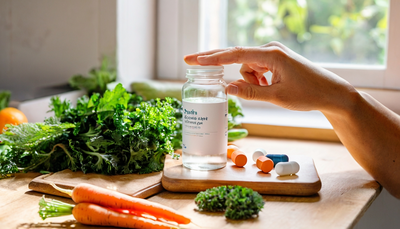
What you eat genuinely matters for joint recovery. Foods rich in omega-3 fatty acids (salmon, walnuts, flaxseed), antioxidants (berries, leafy greens), and compounds like turmeric and ginger have been studied for their potential to reduce inflammatory markers in the body. Staying well-hydrated supports cartilage health too — something many athletes underestimate.
Products Worth Trying for Joint and Muscle Recovery
Once you’ve got the basics covered, the right topical and therapeutic tools can make a real difference in day-to-day comfort. Here are the ones I recommend most often — and why.
Topical Creams and Gels
Topical options are often underestimated. They deliver active ingredients right where you need them, without the systemic effects of oral medications. A few I trust and frequently suggest:
- Penetrex Daily Joint & Muscle Care Cream — This lightweight, fast-absorbing cream features a botanical formula with arnica, Vitamin B6, and MSM. Many people find it works well for everyday movement support and chronic low-grade joint soreness. It’s non-greasy with a light scent, which makes it easy to use before or after activity without feeling like you’ve applied a coat of wax to your skin.
- Voltaren Arthritis Pain Gel — Voltaren contains diclofenac sodium, an anti-inflammatory compound that’s been clinically studied and is available over the counter without a prescription. Research suggests it may help reduce localized joint pain and inflammation. It’s one of the most evidence-backed topical options available and a staple in many sports recovery routines.
- Bengay Ultra Strength Topical Pain Relief Cream — A classic for a reason. Bengay Ultra Strength combines camphor, menthol, and methyl salicylate for a warming, counterirritant effect that many athletes find helpful for minor muscle and joint pain around workouts. It’s non-greasy and widely trusted for temporary relief of soreness and stiffness.
TENS Therapy for Drug-Free Pain Management
Transcutaneous Electrical Nerve Stimulation — TENS therapy — is one of my favorite drug-free tools for joint and muscle pain management. It works by delivering low-level electrical pulses through electrode pads placed on the skin, which may interrupt pain signals traveling to the brain and stimulate the release of endorphins. It’s non-invasive, reusable, and many people find significant relief with consistent use. Two solid options at different price points:
- TENS 7000 Digital TENS Unit — This is one of the most popular and well-reviewed at-home TENS units on the market. It comes with accessories and is designed for use on the back, neck, shoulder, hip, elbow, and more. Straightforward to use and genuinely effective for many users managing sciatica, nerve discomfort, and post-activity joint soreness.
- AUVON Rechargeable TENS Unit Muscle Stimulator — If you want more flexibility, the AUVON unit offers 24 modes and comes with eight premium electrode pads. It’s rechargeable, which is a nice practical advantage, and the variety of modes allows you to customize intensity and pattern for different types of discomfort — from acute post-game soreness to chronic tension around a joint.
Building a Sustainable Recovery Routine
The most important thing I want you to take away from all of this is that recovery isn’t a single action — it’s a routine. Consistency with gentle movement, thoughtful nutrition, and targeted therapeutic tools will almost always outperform a reactive approach where you’re scrambling to manage pain after it becomes unbearable. Listen to your body, respect what it’s telling you, and don’t skip the basics in favor of shortcuts.
It’s also worth noting that while natural joint pain relief strategies are highly effective for many sports-related issues, they are not a substitute for professional evaluation when something feels seriously wrong. Persistent pain, significant swelling, or instability in a joint are signs that it’s time to see a sports medicine physician or physical therapist rather than trying to manage