
You wake up, swing your legs over the side of the bed, and the moment your foot hits the floor — that sharp, stabbing heel pain stops you in your tracks. If that scene sounds painfully familiar, you’re not alone. Plantar fasciitis is one of the most common causes of heel pain, affecting millions of people every year. The good news is that plantar fasciitis brace and insole relief options have come a long way, and the right combination of support tools may help you get back on your feet — literally — without dreading those first morning steps.
What’s Actually Happening With Plantar Fasciitis?
The plantar fascia is a thick band of connective tissue that runs along the bottom of your foot, connecting your heel bone to your toes. When it becomes inflamed or overstressed — from long hours on your feet, unsupportive footwear, tight calf muscles, or sudden increases in activity — it can cause that telltale heel pain that’s usually worst in the morning or after periods of rest.
Here’s the thing most people don’t realize: the pain you feel when you first stand up isn’t just stiffness. Overnight, your plantar fascia tightens and begins to heal in a shortened position. The moment you put weight on it, you’re essentially re-tearing those tiny tissue fibers. That’s why that first step is so brutal. Keeping the foot in a gently stretched position overnight — and supporting the arch properly during the day — can make a meaningful difference in how quickly things improve.
Plantar Fasciitis Brace and Insole Relief: What Actually Helps
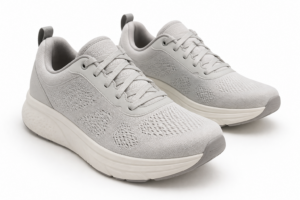
There’s no shortage of products out there claiming to eliminate heel pain overnight. I want to be straightforward with you: there’s no single magic fix, and individual results vary. However, research suggests that consistent use of arch-supportive insoles combined with nighttime stretching braces may significantly reduce pain and support recovery over time. Here are the products I feel good about recommending.
The Night Splint That Actually Maintains Morning Flexibility Without the Bulk
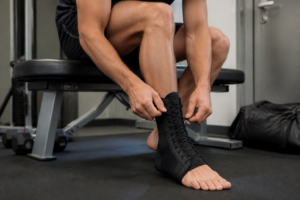
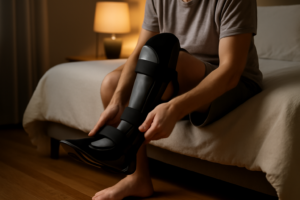
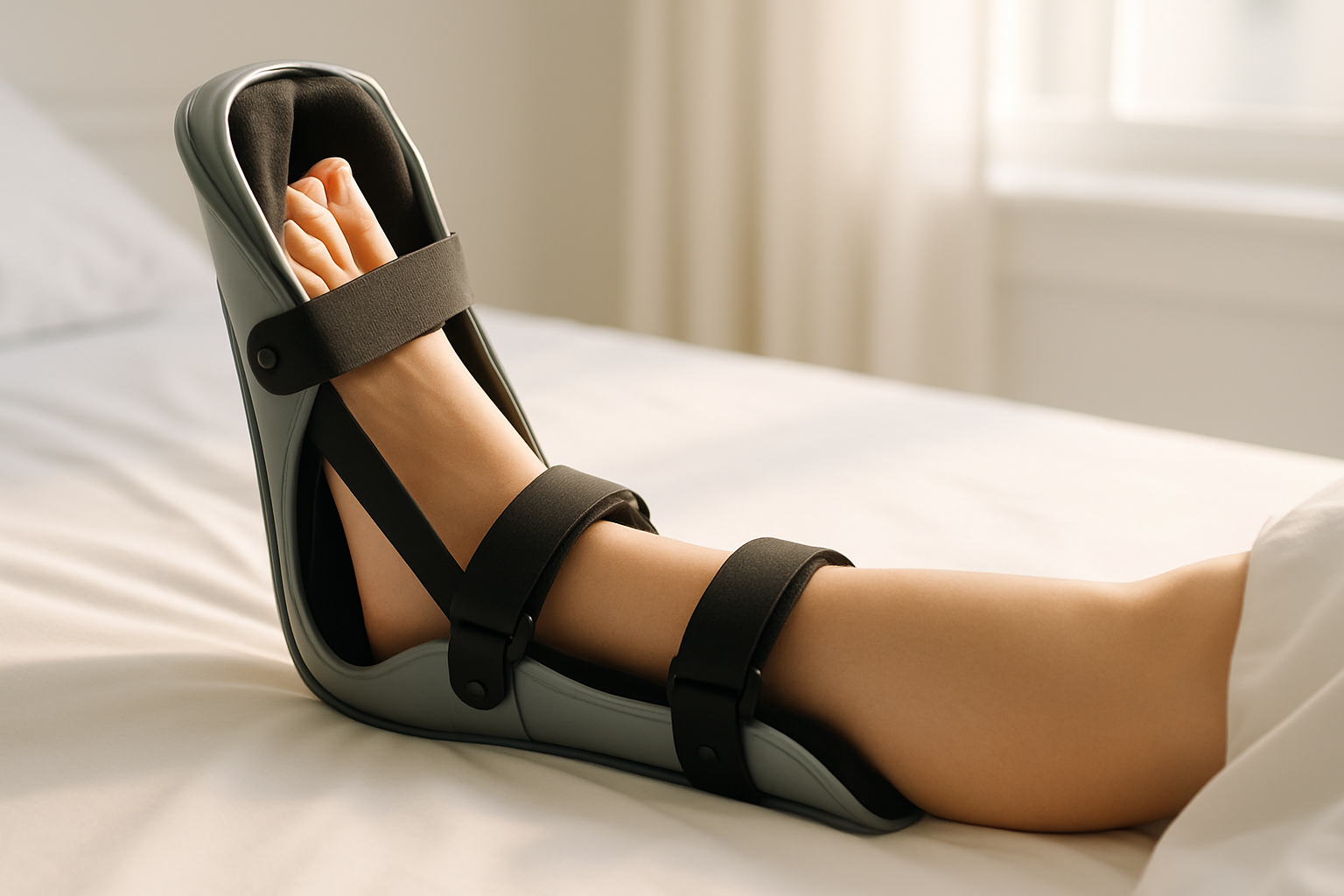
The overnight hours are when plantar fasciitis does its worst damage—your fascia tightens while you sleep, and those first few steps out of bed can feel like walking on a knife edge. A night splint keeps your foot in a gentle dorsiflexed position, preventing that aggressive overnight shortening so you can wake up without that stabbing heel pain.
What works
- Research consistently shows night splints reduce first-step pain when used 4+ nights per week—the dorsiflexion angle keeps the fascia gently lengthened so it doesn’t tighten into that painful morning knot.
- The ELESIK design is actually adjustable, so you can dial in the stretch without overshooting into uncomfortable territory—most users report they stop dreading getting out of bed within 2–3 weeks of consistent use.
- Unlike rigid boot splints, this one sits closer to the foot and doesn’t make you feel like you’re wearing a medical device to bed, which means you’re actually more likely to wear it consistently.
What doesn’t
- Night splints don’t fix plantar fasciitis on their own—they’re a management tool that buys you pain-free mornings while you’re addressing the root causes (weak arches, tight calves, repetitive strain).
- Some people find any foot constraint uncomfortable at night, no matter the design; if you’re a restless sleeper or tend to rip things off in your sleep, this might frustrate you more than help.
Night splints work best when paired with daytime insoles, stretching, and honest assessment of what’s overloading your feet—don’t expect this alone to resolve plantar fasciitis if you’re still pounding pavement in unsupportive shoes. ELESIK Plantar Fasciitis Night Splint and Brace
About This Article

Written by Michael Torres. Michael Torres has had joint problems his whole life — hypermobile as a kid, chronic sprains and a dislocating shoulder through his twenties, an osteoarthritis diagnosis in his early fifties, and a right knee replacement since. He is not a doctor or a physical therapist and has no clinical training. He writes about what has helped him and what he has watched help the people around him, and says plainly when he has not tried something himself. More about this site.
Scope and limits. Michael has no medical or clinical training — he writes about living with his own joint pain, not about treating anyone else's. Nothing here is medical advice. Talk to a doctor before starting anything new, and get seen promptly for pain that is new, severe, worsening, or comes with swelling, fever, or numbness.
Verify this against a primary source
Specifics change, and your situation may differ from the one described here. These are the authorities worth checking directly:
- NIAMS — arthritis and musculoskeletal research from the NIH
- MedlinePlus — plain-language medical reference from the NIH
- Arthritis Foundation — condition guides and treatment overviews